
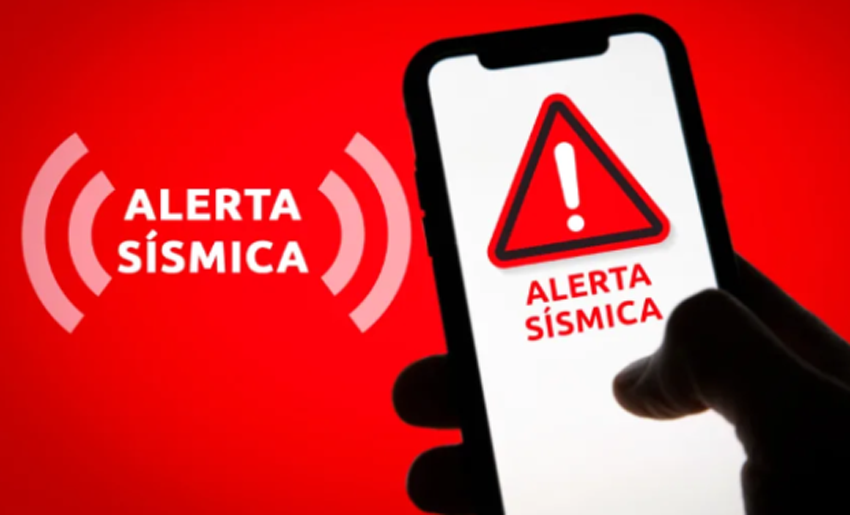
In a matter of seconds, an alert on a phone screen can disrupt the peace of mind of thousands of people. An unexpected sound, an urgent message, and a reference to a possible earthquake are enough to awaken fear, uncertainty, and, in some cases, despair. This recently happened in Cuba when a wireless earthquake alert reached numerous devices. It was later revealed to be a hoax, while the causes of the incident are still being investigated.
The episode demonstrates how vulnerable a society can feel in the face of a potential disaster. This is especially true when international news reports about earthquakes and other natural phenomena with devastating consequences for countless families. Faced with these images and headlines, it’s understandable to feel concerned. However, being concerned doesn’t mean letting fear take over.
Moreover the first reaction should be to stop and verify. An alert received on your phone is not a substitute for information from the relevant authorities. Before sharing information, it’s advisable to consult official channels. Such as Civil Defense, the National Center for Seismological Research, accredited media outlets, and local institutions. Spreading unconfirmed messages can amplify alarm and hinder the response to a real emergency.
Staying calm doesn’t mean ignoring risks or being indifferent. It means acting responsibly. Every family can prepare with simple measures: knowing evacuation routes, identifying safe places, keeping documents, medications, water, a flashlight, and a portable charger on hand, and talking with children and older adults about how to proceed. Preparation reduces uncertainty and gives people back a significant degree of control.
It’s also essential to take care of your mental health. Constant exposure to images of destruction, rumors, and notifications can increase anxiety. Therefore, it’s recommended to limit your news consumption, choose reliable sources, and avoid compulsively checking your phone. Breathing slowly, talking to someone you trust, and maintaining daily routines are simple actions that help you regain your equilibrium. If anxiety persists or prevents sleep and the performance of daily activities, professional support should be sought.
Natural disasters cannot be prevented in all cases, but we can prevent the chaos caused by misinformation and panic. An informed, organized, and supportive community responds better than one dominated by rumors. Furthermore, composure allows us to help those most in need and make safer decisions.
What happened with the earthquake alert should serve to strengthen communication systems and improve public information protocols. Authorities have a responsibility to clearly explain what happened and how similar situations will be avoided. The public, for its part, must exercise responsible citizenship. Verify information before sharing, heed official guidance, and avoid turning uncertainty into collective panic.
In times marked by difficult news, maintaining peace of mind is also a form of protection. It is not about denying the danger, but about facing it with information, preparation, and solidarity. When fear knocks at the door, calm is not passivity: it’s a tool for thinking, acting, and taking better care of ourselves and others.
By: Alvaro Raúl Suárez Leyva

- Stichting Cuba Adelante Foundation Delivers Donation to Schools in Holguin - 3 de October de 2026
- U.S. Coast Guard intercepts oil tanker bound for Cuba - 3 de October de 2026
- Natural medicine: a tradition that can also help in difficult times - 3 de October de 2026