
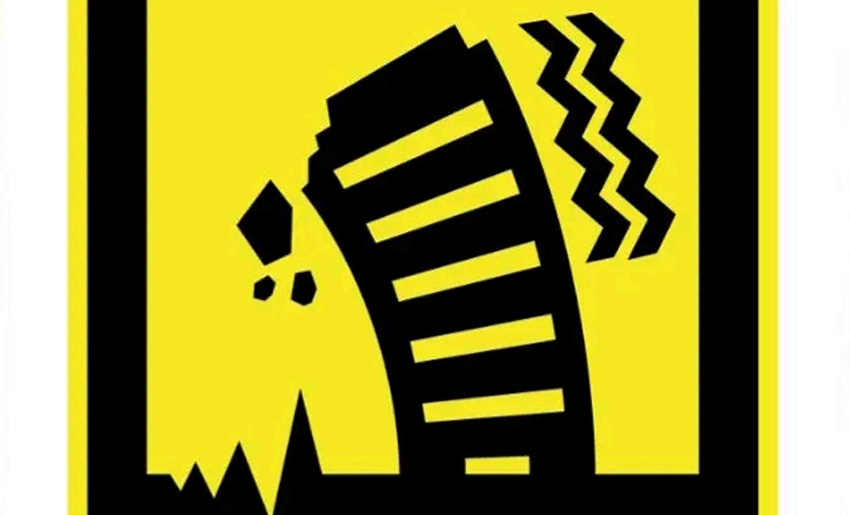
The afternoon of August 18th, 2026, presented us with an unprecedented yet revealing scene. In a matter of seconds, thousands of screens in Cuba vibrated simultaneously. Google’s Android Earthquake Alert System warned of imminent danger: a supposed significant earthquake. The instinct for self-preservation took over; families and workplaces took to the streets with understandable concern. However, the ground never moved.
What happened was nothing more than an algorithmic “false positive.” Faced with the confusion caused by a mass notification on the palm of our hands. The response of the Cuban State and its specialized institutions proved to be the true pillar of containment and discipline.
The speed with which the National Center for Seismological Research (CENAIS) acted constitutes the first great strength of that day. Dr. Enrique Diego Arango Arias and the team at the National Seismological Service immediately compared the software alarm with the actual data from their 24 continuous monitoring stations.
Within minutes, social media, the press, and the National Civil Defense refuted the earthquake emergency. The timely interruption of television programming was not intended to dismiss the alert. But rather to bring calm, truthfulness, and scientific rigor to a place where rumors threatened to instill panic.
This episode opens an essential debate for contemporary society about the fine line between digital automation and scientific authority.
Google processes distributed data from cell phone accelerometers to gain seconds. It is an innovative tool, but it lacks the analytical and instrumental criteria to discern massive interference from genuine tectonic ruptures.
Contemporary citizens tend to blindly trust push notifications. Accepting a phone alert as unquestionable truth without proper institutional confirmation entails complex social risks.
In times of uncertainty, information verified by a country’s sovereign institution is the only guarantee of national and community security.
Cuba boasts a renowned culture of disaster preparedness. Based on the discipline of its people and the coordination of its institutions. However, times present new challenges. It is not about rejecting the advantages of information technologies, but about educating people in their critical use.
The events of August 18th should remind us that an algorithm does not replace science. Nor does a cell phone screen replace the authoritative voice of Civil Defense. When your phone vibrates, remain calm. When in doubt, always turn to the media and official sources of the Revolution. Therein lies our greatest strength in prevention.
By: Daimy Peña Guillén

- Stichting Cuba Adelante Foundation Delivers Donation to Schools in Holguin - 3 de October de 2026
- U.S. Coast Guard intercepts oil tanker bound for Cuba - 3 de October de 2026
- Natural medicine: a tradition that can also help in difficult times - 3 de October de 2026