
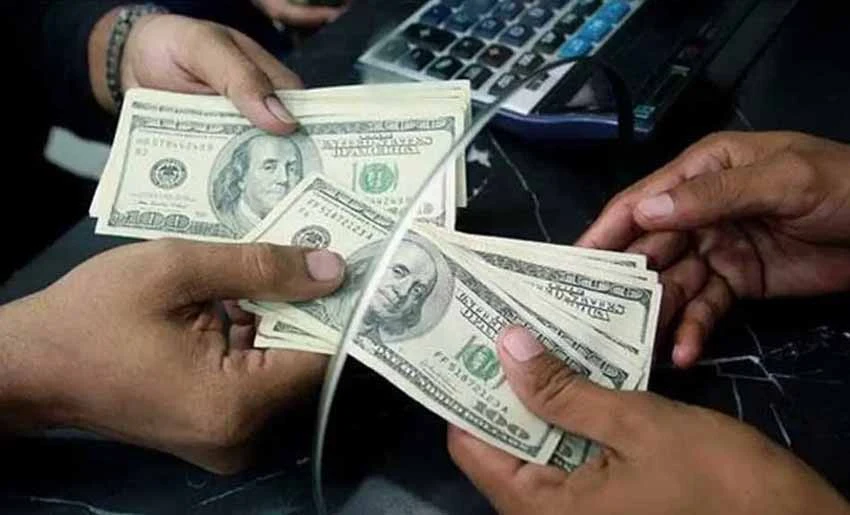
Millions of people today send money to their families in other countries. These remittances support households, fund education and healthcare, and provide capital for small business ventures.
For many economies, remittances exceed both foreign investment and international aid. Their economic value is immense, yet they are also fragile: they depend on migrant employment, transfer costs, and migration policies.
Reducing transfer fees can increase the disposable income of recipient families. Understanding remittances offers a bottom-up perspective on the global economy. Viewing it not merely as flows of financial capital, but as money moving to sustain lives.
With information from Prensa Latina
Remittances are earnings that migrants send back to their home countries—typically to family members—to help cover basic living expenses.
The practice of migrants sending funds has existed since the 19th century, coinciding with the rise in migration flows. However, it only reached a significant scale toward the end of the 20th century. Driven by improvements in global communication systems and the expansion of international banking.
Family remittances consist of resources sent by individuals living abroad—most commonly from the United States. Though they can originate from anywhere in the world to recipients back home.
Typically, this involves a monetary transfer, executed via a bank or a specialized financial services company. It can also take the form of shipments of food or medicine. Particularly to countries where such goods are in short supply.
While each country maintains its own legal framework for the sending and receipt of remittances. These regulations are generally more flexible than those governing other types of financial transfers. Also they are often exempt from certain taxes, tariffs, or other restrictions.
In 2018, the United Nations General Assembly designated June 16th as the “International Day of Family Remittances.”

- The Economic Impact of Remittances - 19 de November de 2026
- Workers in Antilla Maintain Vigilance Against the *Aedes* Mosquito - 19 de November de 2026
- Putin, Trump, and Xi Jinping Agree on a Joint Statement - 19 de November de 2026