
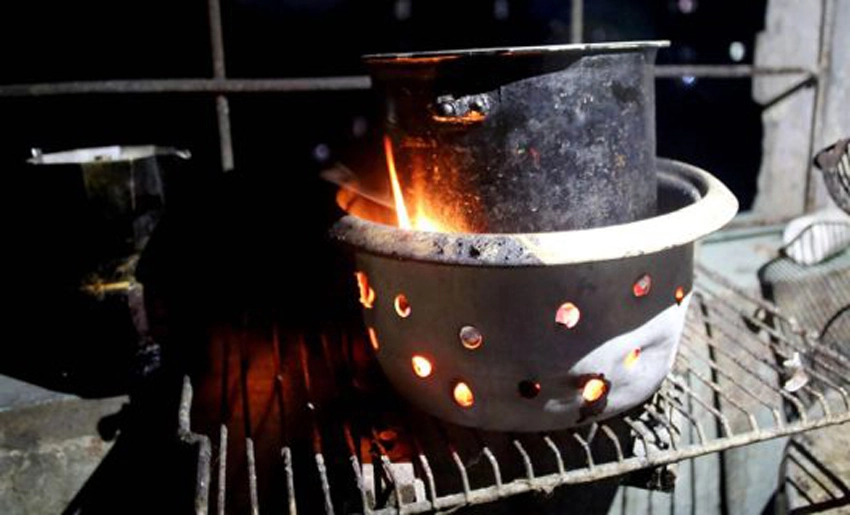
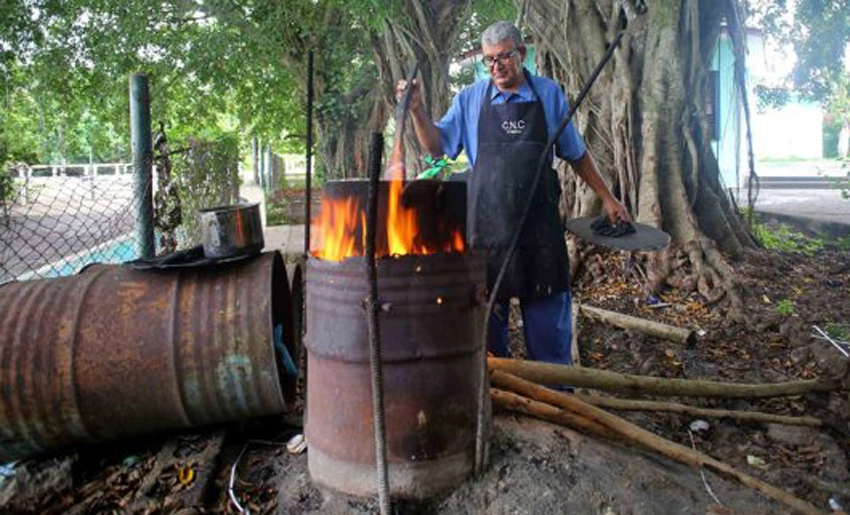
In Cuban courtyards and kitchens, the crackle of charcoal and the aroma of woodsmoke are no longer just nostalgic memories or rural customs. Today, these age-old methods have become a necessary alternative for thousands of families facing a lack of electricity and gas.
More than a deep-rooted tradition, cooking with solid fuels is in the current context a daily practice imposed by scarcity.
The image of a pot sitting over glowing embers, which once evoked the countryside and simplicity. Now it reflects the harsh reality of an energy crisis impacting domestic life.
Behind this reality lies a deepening economic stranglehold. The Donald Trump administration has redoubled its strategy to prevent Cuba from receiving oil. Deploying measures that hinder access to fuel.
Notable among these is the threat to impose tariffs on countries that ship crude oil to the island. A form of direct pressure on Havana’s trading partners.
Compounding this are challenges in electricity generation: a lack of foreign currency to purchase fuel on the international market and an aging fleet of thermoelectric power plants unable to meet demand.
The impact of this economic, commercial, and psychological war against the Cuban people has intensified since January 2026.
Furthermore the energy blockade, pressure on foreign companies to abandon their investments on the island. And statements threatening direct military aggression have created a scenario of extreme tension.
Meanwhile, in the daily lives of households, the response is the slow burn of charcoal. An image that, far from being mere folklore, becomes a visual testament to daily resistance.
With information from Cubadebate

- Cooking with charcoal and firewood: the visible face of the energy blockade - 10 de October de 2026
- Youth in Holguin Promote Holistic Health and Prevention - 10 de October de 2026
- UNICEF Social-Labor Inclusion Project in Cuba will Benefit Holguin - 10 de October de 2026