
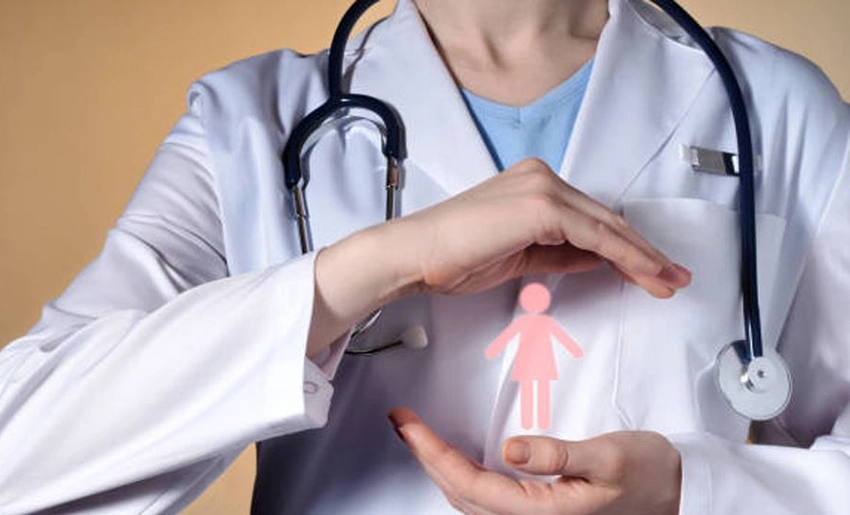
Women’s health is often relegated to the bottom of the priority list. Ironically, they are usually there to support every family member when they are ill, but their own health issues can always wait. Consequently, valuable lives are lost each year due to a lack of timely intervention.
For this reason, May 28th is celebrated as International Women’s Health Day. A date that invites us to reflect on the challenges women face worldwide in terms of health. According to the World Health Organization, women and girls are the most vulnerable in this area.
Therefore, improving access to medical services and empowering women to make informed decisions about their health is a challenge. It is also a call to action to better address the problems that affect their daily lives.
In this regard, one of the most concerning issues is maternal mortality. A leading cause of death among women of reproductive age. Despite advances in healthcare, many women still die during pregnancy or childbirth. Due to complications that, in many cases, could have been prevented.
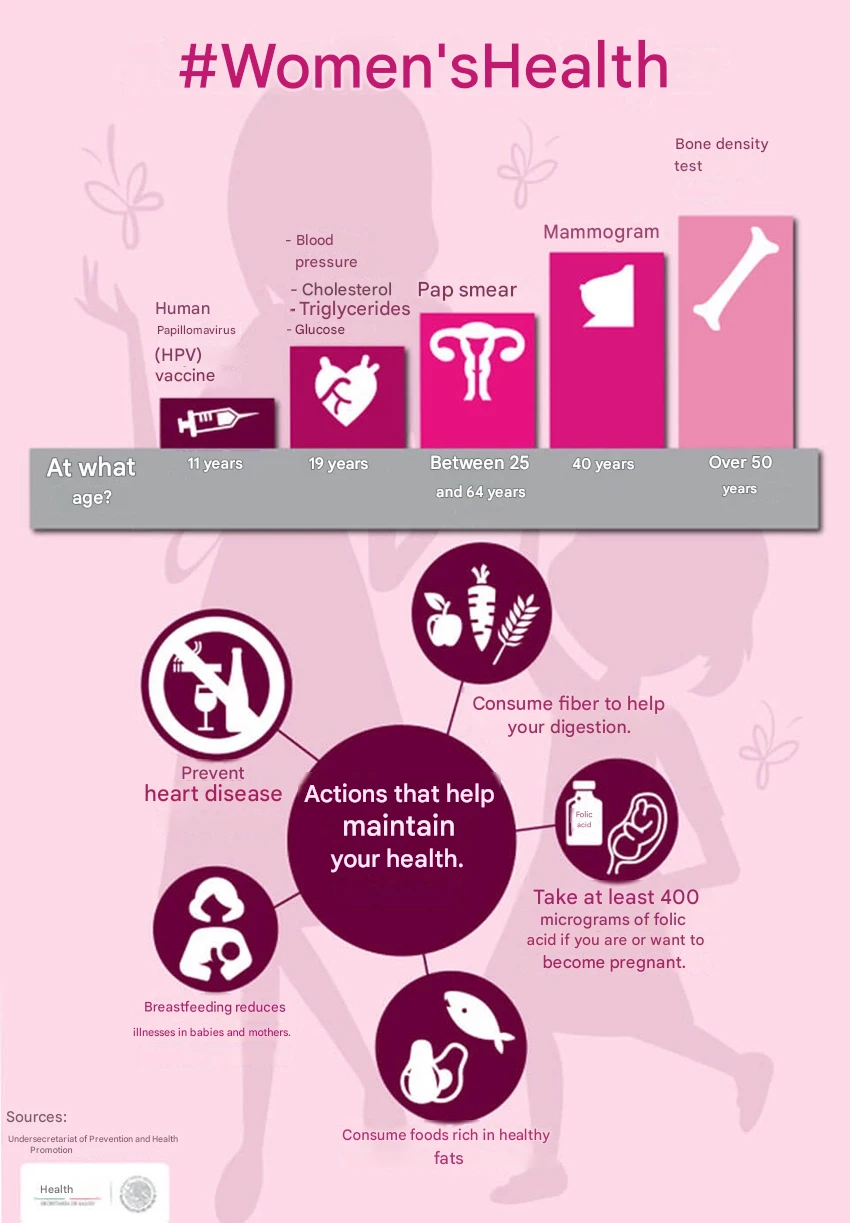
However, maternal mortality is not the only challenge. Cardiovascular diseases, breast cancer, and cervical cancer are also issues to consider. Early detection and treatment have a direct impact on achieving better survival rates.
In recent years, mental health has become undeniably prominent in women’s health. Depression and anxiety affect a growing number of women. Influenced by factors such as work-related stress, gender-based violence, and societal expectations. Beyond the stigmas and taboos imposed by society, environments must be created where women feel comfortable asking for help.
Reproductive health also plays a role in this issue. Adequate sex education is not always available. Which can lead to not benefiting from contraceptive methods, experiencing unwanted pregnancies, and developing health complications. Information and access are guaranteed rights for all.
Women’s health is not an issue exclusive to a few, but rather a matter with social implications. Investing in women’s health is guaranteeing the future of communities. Public policies that address these inequalities and promote equitable health must be fostered. This is a basic right and should matter to everyone.

- Residents Take Pediatric Rehabilitation Final Exam - 9 de October de 2026
- Neonatal screening contributes to the prevention of hearing and visual impairments - 8 de October de 2026
- Holguin: Hub for Hereditary Ataxia Research and Care in Cuba - 29 de September de 2026