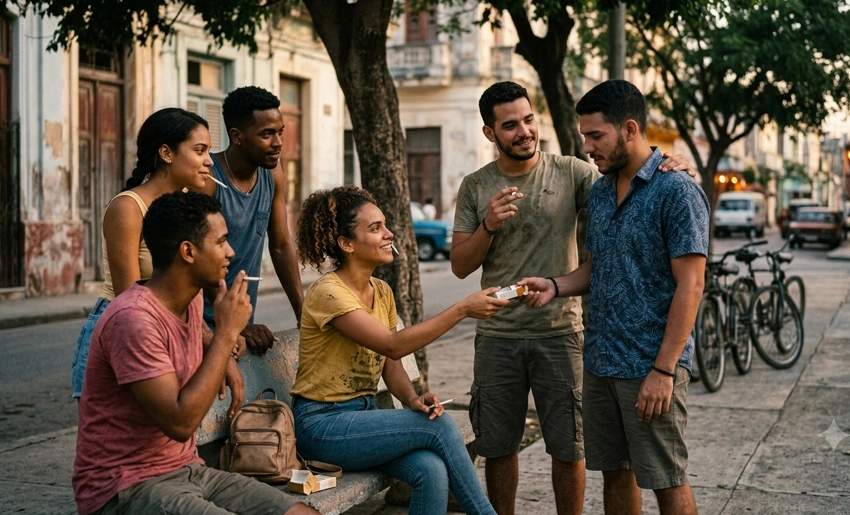
There are silences that weigh more than words. There are realities that, by not being spoken about enough, continue to sow doubt and shatter lives. Today, in our streets and neighborhoods, a silent but heartbreaking alarm is brewing: the increase in addictions among young people. A trend that has ceased to be a distant rumor and has become a harsh truth knocking on the doors of homes. And, sometimes, overwhelming emergency medical services.
Walking through certain nighttime or recreational areas has become, for many teenagers, a minefield of destructive temptations. What once seemed like an exception now shows its visible face in hospital emergency rooms. Also where young people arrive in crisis, in decompensated states. Or on the verge of an overdose. The proliferation of substances—from traditional marijuana to highly harmful and inexpensive synthetic combinations like so-called “chemicals”. It is devastating the physical and mental health of a generation that is just beginning to live.
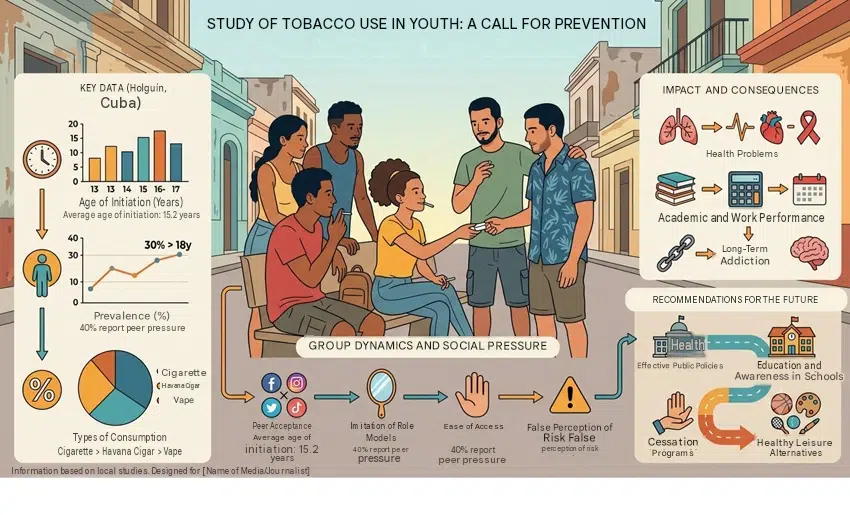
Why are our young people falling into this abyss? The causes are not singular, but rather a complex web of social, psychological, and emotional factors:
- An escape from frustration and apathy: Faced with economic uncertainty, daily hardships, and a lack of solid life plans or healthy and accessible leisure activities.Many find in substances a temporary anesthetic.
- Peer pressure and the false sense of belonging: Adolescence is a stage of identity formation. In this eagerness to fit in or “appear mature,” they succumb to the group’s standards without considering the danger.
- Access to cheap and unknown substances: The presence of homemade or adulterated synthetic drugs.Whose chemical composition is a game of Russian roulette, facilitates rapid consumption and extremely high addiction.
- Misinformation and low risk perception: The misconception that “just once won’t hurt” or that consumption can be controlled masks the progressive and destructive nature of addiction.
The consequences of this problem transcend individual harm. Addictions disrupt family dynamics, trigger social violence, cause school or work dropout. And leave irreversible neurological damage in developing brains. When a young person overdoses, not only is their life endangered. But the social fabric of an entire community is fractured.
Faced with this dilemma, the solution is not to hide or bury our heads in the sand. Acknowledging the seriousness of the problem in community and institutional discussions is not an act of weakness. But the only real starting point for recovery. Solutions won’t come solely from laws and punitive measures, but from prevention, empathy, and supportive spaces.
Recommendations and a direct appeal to young people
To you, young person reading this or feeling the temptation around you:
- Learn to say “NO” without guilt: Your worth isn’t measured by what you consume to please others. Saying no to a substance is the greatest act of character and self-control you can exercise.
- Seek healthy outlets: Art, sports, teamwork, or talking with real friends are legitimate ways to channel stress, doubts, and negative emotions.
- Break the taboo and ask for help in time: If you feel you’re losing control, or if you see a friend in danger, don’t isolate yourself out of shame or fear of stigma. Seeking help from a mental health professional or confidential counseling services. Such as the 103 Confidential Helpline,can mean the difference between life and death.
- Get reliable information: Don’t believe what people tell you on the street about the “harmlessness” of certain drugs. Chemistry is unforgiving, and the brain cannot be replaced.
Protecting our youth requires breaking the inertia, speaking openly in schools, at the family dinner table, and in the media. It’s not about judging or stigmatizing, but about saving lives before it’s too late.
By: Alvaro Raúl Suárez Leyva

- The Urgency of Confronting Drug Use - 25 de July de 2026
- Academy of Handicrafts Promotes Training with Recycled Materials in Holguin - 24 de July de 2026
- Work Suspends in Cuba on July 25th, 26th, and 27th - 24 de July de 2026