
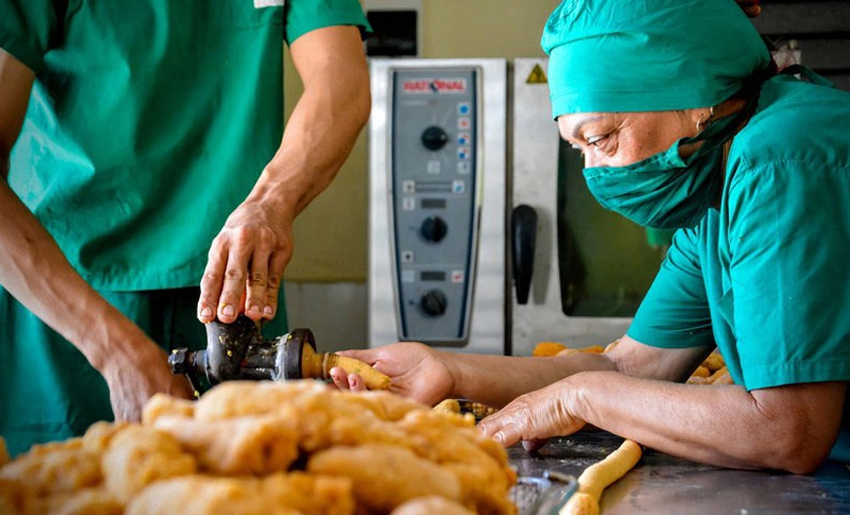
The Holguin Food Production and Distribution Company, known as Numa, maintains a broad and diverse production structure. Reaching several municipalities in the province and supporting the employment of approximately 2,696 workers.
According to Kirenia Balada Peña, its director, the entity is organized into 18 basic business units. One of which corresponds to the bread production chain. In addition to three subsidiaries and several centers converted into production facilities or local development projects. In total, the company extends its reach from Calixto García to Moa. With a strategy that seeks to make the most of the resources available in each area.
One of the pillars of Numa’s work has been precisely its integration with local resources. The company develops economic contracts with different production models and independent producers. It establishes strategic alliances, and promotes cooperative production and supply chains that allow it to transform raw materials into food and services for the population. This work logic has led the company to focus on a wide variety of products. Their offerings include different types of non-traditional flours, pea-based products (when available), pea soup, peas, pickles, broths, juices, coffee, soft drinks, and other culinary options. They also use raw materials such as rice, tomatoes, cabbage, cucumbers, chili peppers, and onions to broaden their product range and add value.
This diversification is not only driven by economic considerations but also by the need to keep the workforce employed. Also the company’s operations are designed to prevent workers from being left idle at home without income or work. The management explained that the goal is to maintain production while simultaneously protecting the workforce.
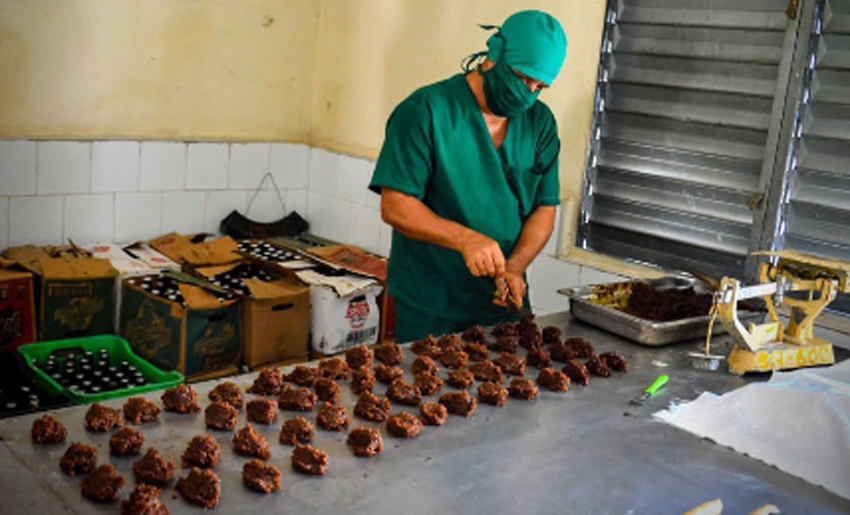
One of the most critical issues has been baking bread and other products amidst fuel shortages. The company began with 63 active ovens, and although not all operated at the same rate. So the situation worsened after February 5th, forcing the implementation of new solutions. Faced with this scenario, Numa repaired ovens, converted facilities, and opted for firewood as its primary alternative.
Today, the company has 92 ovens in operation, seven under construction, and three more being repaired. This rescue process has involved transforming electric and diesel ovens into wood-fired equipment. As well as rehabilitating spaces with refractory materials, brick, and cement to ensure their operability.
Moreover the change hasn’t been easy for the workers. Many of them hadn’t baked with wood for years, and adapting meant facing the heat, the smoke, and new work dynamics. However, the response has been positive. In the very logic that has guided this process, no one has resisted taking on the challenge, because the priority has been maintaining production and not stopping.
In municipalities like Calixto García, Antilla, Mayari, Sagua de Tanamo, and other areas in eastern Holguin province, the company has found ways to reorganize its facilities, move equipment, and maintain food production. Confectioneries and bakeries have relocated or reorganized to continue working with wood. While other sales outlets maintain their supply to the population.
The company has also successfully incorporated facilities that were not previously dedicated to food production. Currently, some of the repurposed facilities produce everything from bread and sweets to more specialized items like confectionery sprinkles, rice flour, and products derived from the processing of locally grown fruits and vegetables.
At the end of February, Numa reported sales 7.2 million pesos above projections. While profits exceeded 6.8 million pesos. The average salary for its employees was 6,155 pesos. Reflecting a performance-based pay system that rewards efficiency and goal achievement.
Beyond the numbers, the company’s experience demonstrates a work model based on the constant search for alternatives. Where a raw material is lacking, they try to substitute it with another. Where fuel is unavailable, they restore a wood-fired oven; where a facility shuts down, they relocate production.
This adaptability has allowed Numa to continue producing food and sustaining employment. Amidst a complex reality that demands inventiveness, organization, and commitment.
By: Jorge Alejandro Fernández Pérez

- Healthy Habits Recommended to Prevent Thrombosis - 14 de October de 2026
- Holguin Marks 66th Anniversary of the Nationalization of Cuban Banking - 14 de October de 2026
- Workforces in Holguin mark ANIR event with productive results - 14 de October de 2026