
In a rapidly changing society, certain trades and professions are beginning to fall by the wayside. This is not always because they have lost their utility, but rather because they have ceased to be attractive to new generations. Fail to offer fair compensation, or struggle to compete against the models of success promoted on social media.
Today, “succeeding” often seems to mean becoming an influencer, a content creator, or a digital artist. Platforms showcase immediate results—visibility, followers, and, seemingly, easy money. While rarely revealing the hours of preparation, the instability, and the intense competition that also define these pursuits. The problem arises when this image eclipses the value of formal study, discipline, and the mastery of a trade.
In Cuba, the situation takes on specific nuances. The state sector struggles to compete with the private sector in terms of wages, working conditions, and earning potential. Consequently, many professionals end up working in private businesses or abandoning their fields of expertise altogether. It is not uncommon to find university graduates working in roles entirely unrelated to their training. While schools, workshops, hospitals, and enterprises lose qualified personnel.
Also this concern also extends to children and young people. If they perceive that years of study do not guarantee a decent livelihood—while other activities appear to offer immediate rewards—education loses its appeal. Yet, a society that stops training teachers, doctors, engineers, technicians, farmers, construction workers, or maintenance specialists seriously jeopardizes its own future.
Who will repair an electrical system? Who will restore an antique piece of furniture, maintain machinery, care for the sick, or build homes? Who will teach children to read, train the next generation of professionals, or preserve knowledge passed down through generations? Such work may be less visible than a popular internet account, but it is what sustains our daily lives.
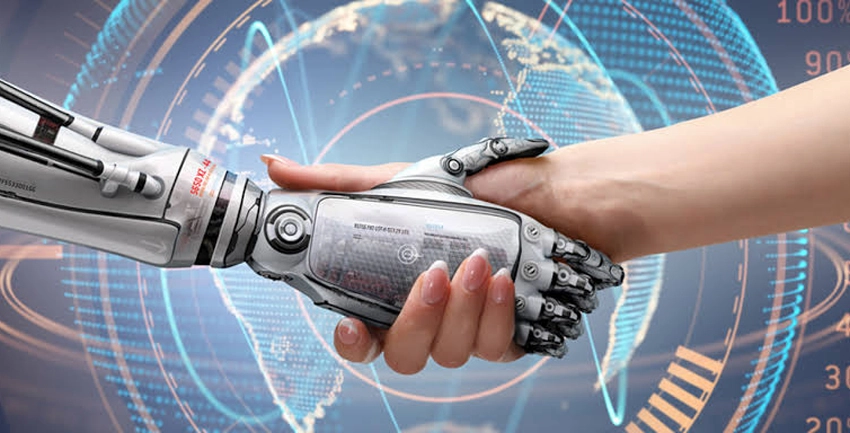
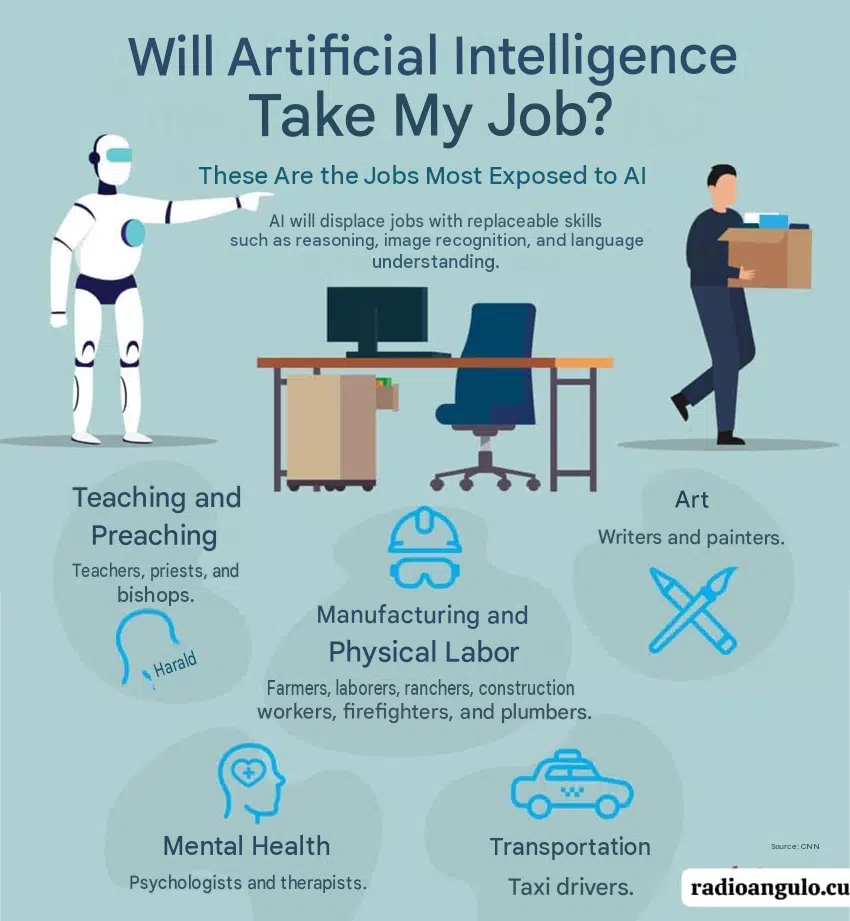
Added to this landscape is the emergence of artificial intelligence. Its potential is enormous and should not be dismissed. It can assist with diagnosis, design, translation, research, and the automation of tasks. Yet, it also presents a risk: that some may mistake access to a tool for the acquisition of genuine knowledge. While artificial intelligence can generate answers, it cannot fully replace human judgment, experience, accountability, or sensitivity.
The challenge lies not in opposing technology, but in using it without abandoning professional training. A doctor must know how to interpret a digital recommendation. A journalist must verify information; an engineer must understand the underlying calculations. And a technician must be able to recognize when a machine is malfunctioning. Relying on a tool without mastering the craft makes us more vulnerable, not better prepared.
Preserving professions requires restoring dignity to work. This means improving wages, working conditions, and opportunities for advancement. Providing social recognition to those who teach, heal, build, repair, and produce. Aligning education with the country’s actual needs; and offering young people vocational guidance based on their individual aptitudes and concrete development opportunities.
It is also the responsibility of families, schools, and the media to demonstrate that success is not always measured by follower counts or immediate financial gain. Being a carpenter, welder, programmer, nurse, teacher, farmer, mechanic, or journalist can be a path to personal fulfillment and a way to serve society.
Trades do not vanish overnight. So they fade away when they are no longer taught, when those who practice them go unvalued, and when new generations no longer see a viable future in them. Therefore, saving these trades is not about looking to the past, it is about safeguarding the future.
A modern society needs influencers and digital creators. But it also needs people capable of planting, healing, educating, building, repairing, and conducting research. True transformation will not lie in replacing knowledge with a screen, but in combining human experience with the tools of the future.
By: Álvaro Raúl Suárez Leyva

- National Baseball Series: Crossfire in the Race for the Playoffs - 25 de November de 2026
- The Digital Age: Trades Facing Extinction? (+ Infographic) - 25 de November de 2026
- Raw Materials Enterprise Promotes Recycling in Holguín Society - 25 de November de 2026