
As part of the CRISS collaboration project with Belgium, the University of Holguin (UHo) has launched a Doctoral School focused on the development of agricultural systems. An initiative aimed at accelerating national development through the engineering of intelligent service solutions.
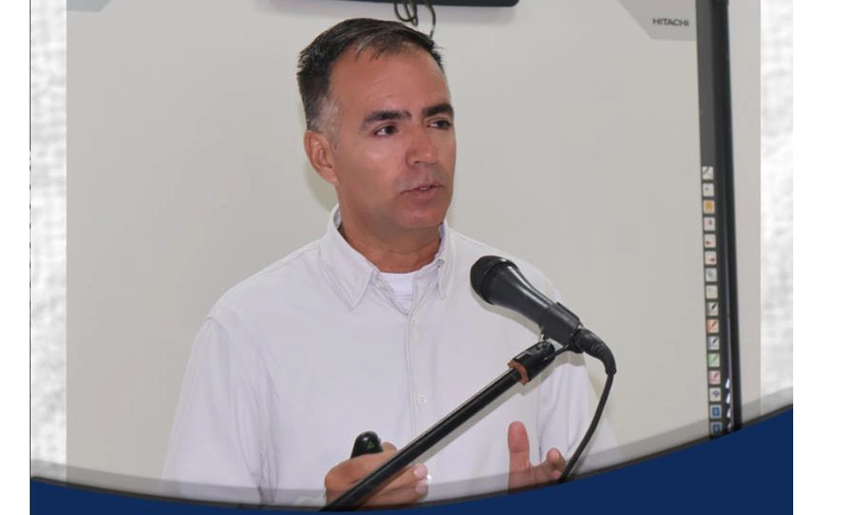
During the launch event, a forum was held with the project coordinators to provide a detailed overview of this new academic structure.
Roberto Pérez Rodríguez, coordinator of Project #5, explained that the school’s mission is to coordinate doctoral training. Specifically within the field of engineering to address challenges identified both nationally and provincially. These challenges relate to smart energy, smart agriculture, smart governance, and IT support services for the platforms currently under development.
He further noted that the core concept is collaboration and knowledge exchange between two engineering-focused doctoral programs at the University of Holguin and three doctoral programs at institutions in Belgium. Following a year of coordination among these scientific entities, viable research topics were identified for collaboration between the Belgian and Cuban partners.
Regarding admission requirements the application period for which closed a week ago candidates were required to hold a degree in engineering or a related field. Possess a research profile aligned with the project’s objectives, and be faculty members at the University of Holguin. This requirement is intended to strengthen the institution’s doctoral training and human capital, ensuring long-term sustainability.
The school’s structure entails a four-year doctoral program. The initial phase includes funding for 15 doctoral candidates. While a subsequent five-year cycle aims to train 15 or more individuals to the level of Doctor of Science. Regarding the core areas of research, it was explained that they are focused on solutions for smart energy.
Such as load shifting between solar and bioenergy sources. As well as precision agriculture to improve crop yields; the development of artificial intelligence-based platforms to facilitate better decision-making. Smart governance grounded in scientific data; and the creation of computing platforms to support decision-making across the other sub-projects.
Also through this initiative, the University of Holguin aims not only to foster research in collaboration with high-caliber Belgian partners but also to develop shared. To joint solutions for the country’s advancement, all while ensuring global sustainability by cultivating high-level human capital.

- UHo Launches Doctoral School as Part of the International CRISS Project - 15 de October de 2026
- New Holguin schoolchildren join the OPJM (+ Photos) - 8 de October de 2026
- Innovating in Cuba: the talent that produces, saves, and solves - 7 de October de 2026