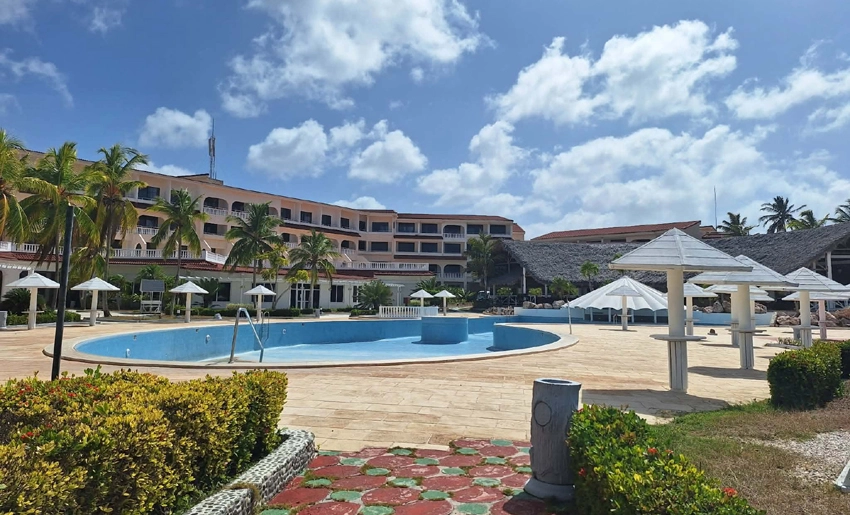
The Cuban tourism sector is experiencing its worst crisis in decades. With the mass exodus of major international hotel chains operating on the island, amidst an intensified US offensive against Cuba.
In recent months, at least seven global hotel groups, led by Spanish giants Meliá, Iberostar, and Barceló. They announced the unilateral termination of their management contracts and the complete liquidation of their operations in the country.
This corporate exodus is a direct response to the intensification of extraterritorial financial sanctions imposed by the US administration of Donald Trump.
In particular, this is due to the threat of secondary sanctions against any international corporation that maintains ties with entities linked to the Business Administration Group (GAESA). Which controls approximately 40 percent of the Cuban economy, according to Washington.
Trump considers this data as justification. Even though it encompasses most of the island’s tourism infrastructure.
Moreover the Meliá Hotels International group, the largest foreign operator in Cuba. With an uninterrupted presence since 1990, completed its total withdrawal on July 24th.
Through its Portuguese subsidiary, Ilha Bela Gestão e Turismo, the company ceased all operations at its 34 hotels on the island.
In a phased process, it first terminated the contracts of 15 properties in destinations such as Varadero, Cayo Santa María, and Havana in June. Culminating weeks later with the final liquidation of its entire portfolio, citing “operational, legal, and financial difficulties.”
Hours later Meliá’s announcement, the Spanish company Iberostar also confirmed the liquidation of its remaining operations in Cuba. Including the management of its iconic luxury hotels in Havana. Such as the Iberostar Grand Packard and the Iberostar Selection La Habana (Tower K).
The Barceló group, which operated two hotels in the country, joined the withdrawal. Thus ending three decades of presence of major Spanish chains in the archipelago.
Furthermore these were joined by the Canadian group Blue Diamond Resorts (Royalton, Memories, Starfish). The Indonesian Archipelago International (Aston Hotels), and the British CEIBA Investments Limited. All of which terminated their management agreements or initiated forced liquidation processes for their assets.
The extent of the collapse was confirmed by the Prime Minister of Cuba, Manuel Marrero. During his report to the National Assembly of People’s Power on July 29th.
Marrero stated that, as a consequence of the departure of international chains, 73 percent of the country’s hotels are currently closed. Which he described as a situation of “almost total paralysis” of the tourism sector.
However, while Spain, the main investor in the sector, has not issued a direct condemnation of Washington for these actions against its companies. Cuban authorities maintain that the country “is resisting and seeking alternatives to continue welcoming the world.”
With information from Prensa Latina

- 7.6-Magnitude Earthquake Shakes Panama - 10 de October de 2026
- Etecsa completes work to modify its energy mix in Antilla - 10 de October de 2026
- Cooking with charcoal and firewood: the visible face of the energy blockade - 10 de October de 2026