
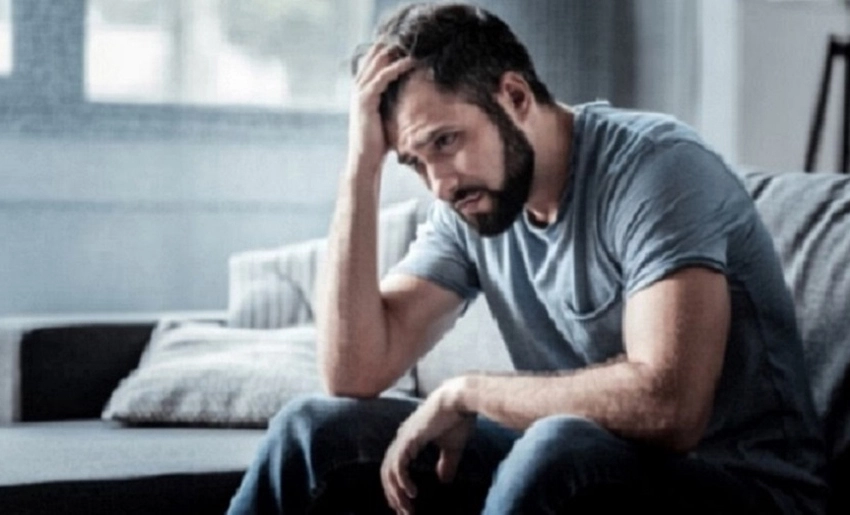
In recent months, my consultations have changed. The people who come seeking help no longer only talk about internal conflicts, grief, or past wounds. They talk about power outages, long lines for bread, unavailable medications, unreliable public transportation. Inflation that devours their wages, water shortages, and accumulated fatigue that doesn’t go away even after sleeping. In fact, sleeping is very difficult. We live in an environment that has become hostile to mental health. The socioeconomic crisis we are experiencing is not a backdrop. It is an active factor that makes us ill. Today I want to explain how this reality affects us and what we can do, personally and as a community, to avoid succumbing to it.
Chronic Stress: When the Body Never Rests
Our nervous system is designed to respond to specific threats. If danger appears, the alert system is activated (heart rate increases, cortisol and adrenaline are released). We confront the situation, and then we return to a state of calm. That’s acute stress.
But when threats become permanent (relentless power outages, daily economic uncertainty, difficulty accessing food or clean water). The system gets stuck in alert mode. That’s chronic stress.
The consequences of chronic stress on mental health include:
-Insomnia (the mind never shuts off because there’s always something to resolve).
-Constant irritability (any minor disagreement triggers an outburst).
-Extreme fatigue (the body is exhausted from so much tension).
-Difficulty concentrating (attention is scattered among a thousand worries).
-Somatization (headaches, stomach aches, palpitations without an organic cause, and chest tightness, among other symptoms).
These ailments are not signs of weakness. They are normal biological responses to an abnormal environment.
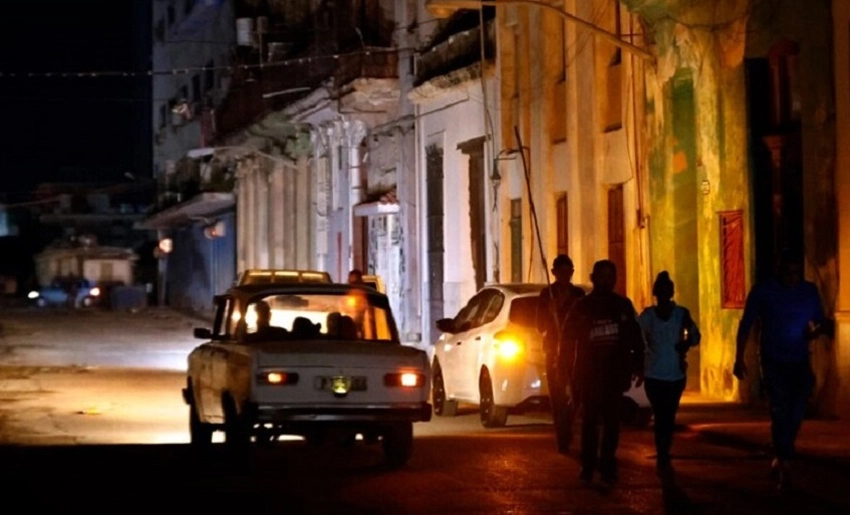
Broken Pillars: What We Need and Don’t Have
Psychology and psychiatry have identified certain social determinants of mental health. These are basic conditions that protect our psychological well-being. In our current reality, almost all of them are compromised. Let’s look at some of them.
-Food: Scarcity, inflation, and difficulty accessing plant-based proteins. Food in general cause irritability, fatigue, and apathy (even mild malnutrition affects mood).
-Drinking Water: Frequent or permanent outages. This leads to poor hygiene, feelings of unworthiness, domestic tensions, and increased family conflicts.
-Electricity: Prolonged blackouts disrupt routines (not charging phones, not watching television, not storing food). Leading to feelings of helplessness and isolation.
-Medications: Chronic shortages. We see patients with mental disorders abandoning their treatments and relapse. Because they cannot access the medications they need.
-Inadequate, expensive, or nonexistent transportation: This leads to social isolation and difficulty accessing medical appointments or work. In short, more stress.
-Work and income: Insufficient wages and inflation generate anxiety. A sense of failure, and a loss of life goals.
Learned helplessness and powerlessness
One of the most damaging mechanisms for mental health is the perception of a lack of control. When a person repeatedly tries to solve a problem (obtain medication, repair a breakdown, improve their income). And always fails due to external causes, their brain learns that “doing anything is pointless.” This is learned helplessness. Its main symptoms are:
-Apathy: giving up, staying in bed, neglecting oneself.
-Hopelessness: believing that nothing will change, that the future doesn’t exist.
-Passive irritability: complaining without seeking solutions, blaming others, and a feeling of lack of energy to act.
Learned helplessness is a breeding ground for depression. And in a context of prolonged crisis, it’s not an individual failing. It’s a reasonable collective response.
What can we do to protect our mental health?
I’m not going to offer magic solutions. I can’t change the power outages or make medicine appear. But I can suggest small actions that will help you.
- a) Maintain routines, even if they’re minimal. When everything is chaotic, routine is an anchor. Even with power outages, try to keep to schedules for eating, showering (with what little water you have).Resting, and talking with your family. Predictability reduces anxiety.
-
b) Name your emotions without guilt. Don’t punish yourself for feeling bad. Say, “Today I’m frustrated because there’s no electricity” or “I’m scared because I don’t have medicine.” Naming the emotion prevents it from spreading throughout your entire being. Sharing your discomfort with someone you trust also provides relief.
- c) Disconnect from the bombardment of bad news. It’s good to stay informed, but not all day long. Dedicate most of your time to other things: reading, listening to music, playing with a child, talking to a friend, and any other activities you can think of.
-
d) Build mutual support networks. Neighborhood and family solidarity is one of the most protective factors. Sharing some water, lending a charger, helping each other in line at the bakery.Or simply listening to someone without judgment: all of this is social capital and strengthens everyone’s mental health.
- e) Micro-actions of self-care. You don’t need an hour at the gym or a spa. Take three minutes of deep breaths every morning, stretch before bed, and dedicate time to relaxation.
-
f) Seek professional help when symptoms persist. If the discomfort prevents you from getting out of bed.If you can’t sleep for weeks, if you’ve thought about taking your own life, go to your family doctor or a psychiatric service. Even if resources are limited, there are professionals willing to listen and support you.
Resilience has its limits, and we mustn’t confuse surviving with living.
Resilience is often discussed as the capacity to overcome adversity. The Cuban people have demonstrated astonishing resilience for decades. But resilience is not infinite. When a crisis drags on and solutions don’t arrive, the rope stretches and can break.
We mustn’t confuse surviving with living. Surviving means enduring, putting up with it, getting through the day. Living implies being able to plan for the future, enjoy life, rest, and feel hope. Mental health isn’t just about not being sick; it’s about having well-being. And well-being requires material conditions, not just inner strength.
That’s why, as a psychiatrist, I feel obligated to tell you: Your sadness, your anger, your insomnia, your hopelessness are not personal failures. They are human reactions to an inhumane environment.
Finally, I want to remind you of something fundamental: you matter, your mental health matters. And even in adverse circumstances, we can weave small networks of humanity that sustain us. Take care of your neighbor, even if it’s just with a kind word. Listen to your children, even if you don’t have the answers to their questions. Talk more with your partner to resolve any tensions that may arise.
And remember what the poet wrote: “Even in the darkest night, there are those who can see the moon.” It’s not naiveté, it’s resilience.


- Schizophrenia: More Than a Diagnosis, a Human Story that Worth Understanding - 12 de October de 2026
- Facing Adversity: Keys to Transforming Pain into Strength - 31 de August de 2026
- The Mind on a Loop: When Overthinking Becomes a Trap - 24 de August de 2026