
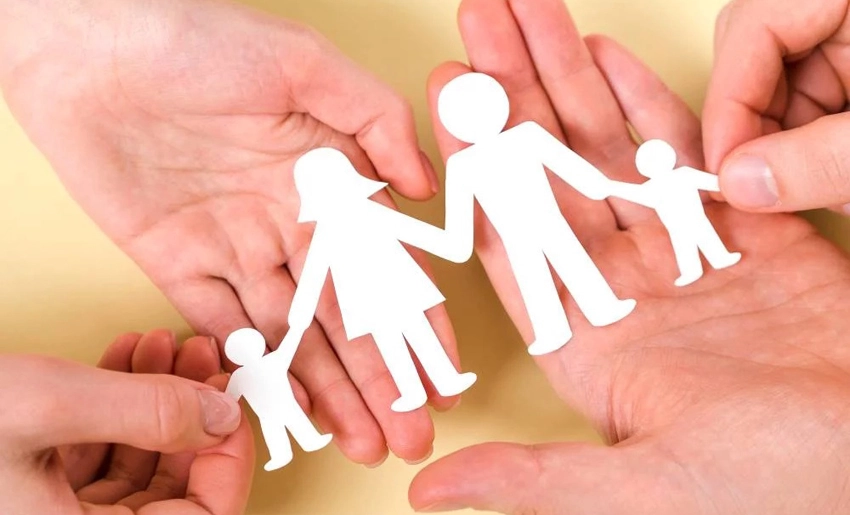
June 1st, since its declaration by the United Nations General Assembly in 2012, is celebrated as Global Parents’ Day. It serves as an urgent reminder that the family remains the cornerstone of society.
The UN had already highlighted this importance by proclaiming the International Year of the Family in 1994. Establishing the International Day of Families on May 15th, but never before has it been so evident that parents face enormous challenges alone.
Furthermore the date aims to bring visibility to the daily, silent, and often overwhelming work of those who raise children. The central paradox is that parents are expected to educate their children, but no one teaches them how to be parents.
This isolation is exacerbated when gender inequality, poverty, discrimination, forced migration. Also domestic violence, or unequal access to education impact family dynamics. Factors that the UN itself lists as real threats to millions of households, where children end up being the most affected.
Being a parent today means navigating work pressure, lack of time, guilt, and the demand for respectful parenting that no one taught. The Convention on the Rights of the Child is clear. Parents are primarily responsible for the upbringing and development of their children. With the support of teachers and providers, but without the latter replacing the family’s role.
Active presence, connection, and dialogue are essential because the values, discipline, and education instilled at home are the foundation for new generations to transform the world. Without this foundation, any attempt at social change crumbles.
The United Nations insists on linking family policies to the 2030 Agenda and the Sustainable Development Goals. Supporting families ensures the health and well-being of their members. It promotes equal educational opportunities, and helps break cycles of poverty and violence.
At a time in history when the disintegration of families is silently advancing, reclaiming the value of the everyday. Dinner together, a conversation without screens, a shared game—becomes a fundamental act.
Today, the focus is on policies that allow for work-life balance. On emotional education for raising children, and on a society that stops considering parenting a private matter. Parental influence on children is essential, and homes where love, tolerance, and understanding reign are not a luxury, but the only possible foundation for a better world.

- UHo Launches Doctoral School as Part of the International CRISS Project - 15 de October de 2026
- New Holguin schoolchildren join the OPJM (+ Photos) - 8 de October de 2026
- Innovating in Cuba: the talent that produces, saves, and solves - 7 de October de 2026