
We have often witnessed that uncomfortable scene during a family visit, in the neighborhood, or even in a waiting room. Where a son yells at his elderly mother, a daughter-in-law contemptuously ignores her father-in-law, or a grandchild treats his grandfather as if he were a nuisance.
Faced with this, we cannot help but think how heartbreaking it would be to reach that age, frail and dependent. To encounter the harshness, neglect, or indifference of those we raised with tenderness. This unease is not insignificant, because elder abuse is a silent reality that occurs within homes. Often disguised as tiredness, impatience, or emotional exhaustion.
That is why, every June 15th, we commemorate World Elder Abuse Awareness Day. A date proclaimed by the UN General Assembly to bring to light what has remained hidden for far too long.
Moreover the goal is not to point fingers, but to raise awareness: to understand that abuse can be physical, psychological, financial, or through neglect. And that it occurs both in institutions and within families. It is about breaking the silence and building a culture where old age does not mean losing dignity or the right to be treated with respect.
The World Health Organization estimates that one in six people over 60 has suffered some form of abuse in the past year. And what is most alarming: in most cases, the abuser is someone in their inner circle, often a child, spouse, or other relative.
In Latin America alone, nearly 40% of older adults report having experienced psychological abuse or neglect. These are painful statistics, because behind each number is a story of someone who changed diapers, healed wounds, stayed up all night for us, and taught us how to navigate this world.
Precisely for this reason, it’s worth paying special attention to those who care for an elderly person today. They, on the front lines, know better than anyone how complex and exhausting it can be. Caring for an older adult with dementia, reduced mobility, or chronic illnesses. It involves physical and emotional strain that is often done in solitude, without respite or recognition.
There will be days of frustration, of helplessness, of feeling overwhelmed. But in the midst of this difficulty, it’s crucial not to lose sight of who the person in front of you really is. They were our refuge: they carried us when we couldn’t stand, they supported us through rebellious adolescence. Also they patiently taught us to read, to ride a bike, to forgive. They gave us everything they had without expecting anything in return. And today they only deserve to have that same love returned to them, even if only a fragment.
Caring for those who cared for us is not a favor, it’s a natural reciprocation. And although it’s painful to admit, mistreatment often stems from unmanaged exhaustion, lack of support, and the caregiver’s loneliness. Therefore, raising awareness of World Elder Abuse Awareness Day is also a call to action: no one should care for others alone. Governments, communities, and families must offer respite, training, psychological and financial support.
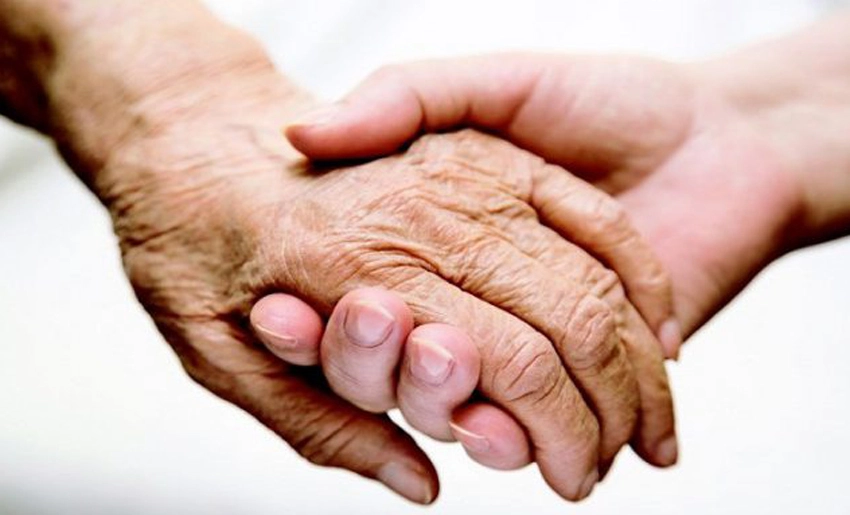
Because those who today have wrinkles and trembling hands deserve to end their days with the same tenderness with which they welcomed us at birth. We must not let exhaustion erase gratitude. After all, caring for them is also caring for who we will become tomorrow.

- Social Media: A Mirror of Our Humanity - 30 de June de 2026
- The Legacy of Vilma Espín, 19 Years Since Her Passing - 20 de June de 2026
- Aging with Dignity: A Call to Awareness Regarding Elder Abuse - 15 de June de 2026