
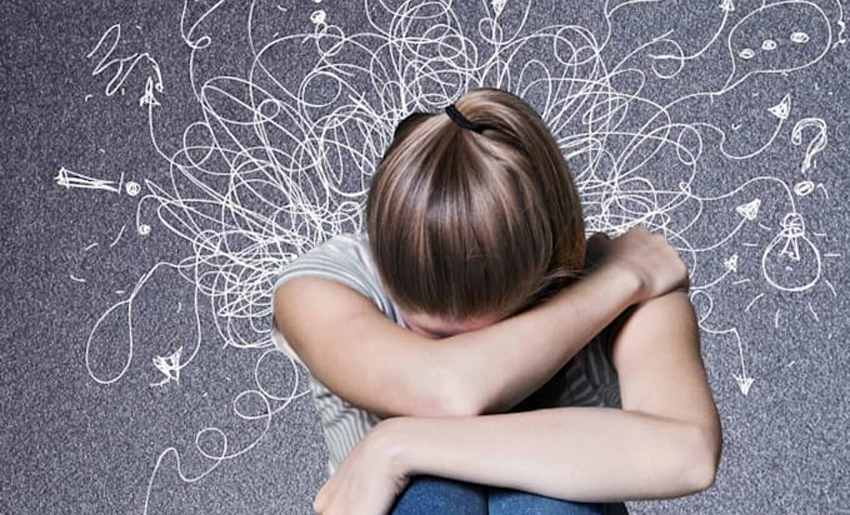
Who hasn’t felt anxiety at some point? This mental health state is a natural response of the body to situations of threat or pressure. It activates alert mechanisms that, under normal conditions, help us react. The problem arises when it becomes persistent, disproportionate. Or appears without real danger, affecting daily functioning.
In today’s society, anxiety is still surrounded by taboos. It is often minimized with phrases like “it’s just stress” or “you need to relax,” which obscures its real impact. This perception contributes to many people not seeking help in time. However, anxiety is not just a mental sensation. It also manifests physically through palpitations, difficulty breathing, muscle tension, digestive problems, or sleep disturbances.
Who is more likely to experience it? Although it can affect people of any age. Various studies indicate a higher incidence in adolescents and young adults. Due to factors such as academic pressure, uncertainty about the future, constant exposure to social media, and the construction of identity.
However, it also appears in children, through intense fears or avoidance behaviors. In adults, especially when faced with work, financial, or family responsibilities. In other words, anxiety doesn’t discriminate: it changes form depending on the stage of life.
The causes are multiple: prolonged stressful situations, traumatic experiences, financial insecurity, conflictive relationships, or information overload can trigger it.
Added to this is a key factor: low self-esteem. When a person has a negative self-perception. They tend to anticipate failure, overinterpret threats, and feel incapable of facing challenges. This not only intensifies anxiety but can also open the door to more serious thoughts. Including self-destructive ideas if intervention doesn’t occur in time.
Therefore, detecting anxiety early is fundamental. It’s not about “enduring” it or normalizing the discomfort. There are ways to cope: from breathing techniques and physical activity to psychological support. Which allows you to understand the origin of the problem and develop tools to manage it. In some cases, medical treatment may also be necessary.
Moreover the role of family, friends, and loved ones can make the difference between silence and seeking help. Listening without judgment, validating emotions, and fostering safe spaces for conversation are simple yet crucial actions. This mental health situation should not be experienced in solitude or in secret.
Talking about anxiety doesn’t make it stronger; it makes it visible. And in a society where everything seems urgent. Recognizing one’s own limitations can be, rather than a weakness, an essential act of self-care.
By: Indira Vania López Samé

- Campaign Launched to Mark Half-Century of the Engineering Construction Company in Holguin - 14 de October de 2026
- Healthy Habits Recommended to Prevent Thrombosis - 14 de October de 2026
- Holguin Marks 66th Anniversary of the Nationalization of Cuban Banking - 14 de October de 2026