
Every March 19th, since its designation by UNESCO in 2013, the world celebrates International Digital Learning Day. A date that invites reflection on the role of technology in education and its potential. To guarantee the human right to learn in any context.
Digital learning, understood as any educational process mediated by technology. From online platforms to open educational resources, has ceased to be an alternative and has become a social necessity. Especially in a world facing increasingly frequent crises. As demonstrated during the COVID-19 pandemic. Also when countries with less digital infrastructure suffered the greatest educational disruptions.
In too many contexts, students, teachers, and families lack clear references for finding quality tools. The response to this challenge involves building digital commons that complement and enrich in-person education, not replace it. Under a humanistic approach where technology serves people, not the other way around.
Cuba has not remained untouched by this global movement. Digital transformation has become a strategic pillar of the national education system. With concrete actions ranging from the integration of computer science as a discipline at all levels of education. To the production of content through the Cubaeduca portal and the broadcast of educational programming on the Educational Channel.
These initiatives are complemented by the Youth Computer and Electronics Clubs, present in every municipality in the country. Which for decades have played a fundamental role in the digital literacy of children, youth, and adults. As well as in fostering a computer culture in communities.
At the institutional level, the Ministry of Education has promoted the creation of repositories of digital educational resources. The systematic training of teaching staff in the pedagogical use of technologies. Likewise, universities have incorporated subjects and modules on digital skills into their curricula. Recognizing that 21st-century teachers must be able to navigate virtual environments. Critically select information, and facilitate their students’ learning in increasingly hybrid settings.
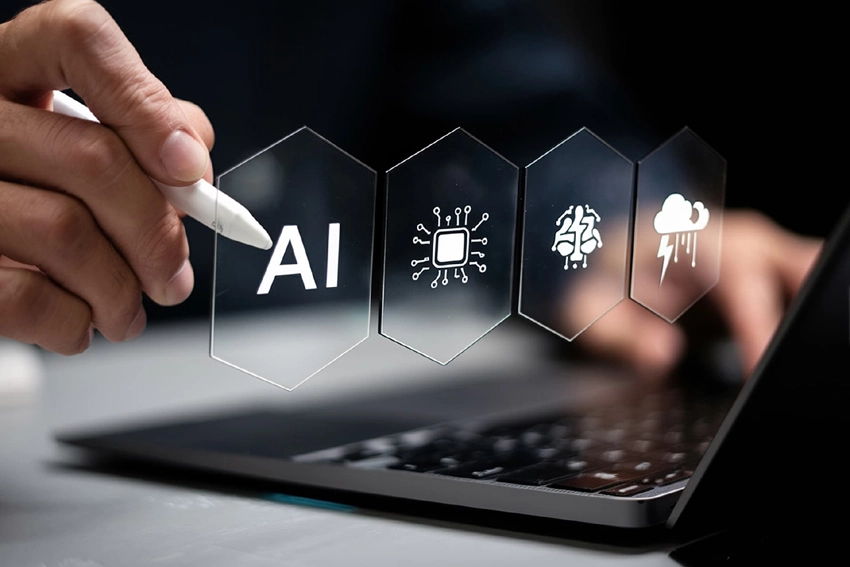
In this context, artificial intelligence is emerging as one of the technologies with the greatest transformative potential. Also as a major pedagogical and ethical challenge. Aware of this, the Ministry of Education has begun to develop strategies. For its gradual and thoughtful incorporation into teaching and learning processes.
It is not just about teaching how to use AI tools, but about training new generations in a critical understanding of its implications. From the veracity of information generated by algorithms to the biases that can perpetuate inequalities. In this regard, collaborative spaces have been created for teachers to develop advanced digital skills. Also to explore, from a pedagogical and humanistic perspective, the responsible use of these technologies at all educational levels.
However, the path to full digital integration faces significant obstacles. The digital divide in Cuba manifests itself in connectivity limitations. Especially in rural and mountainous areas, where internet access is still precarious or nonexistent. Added to this is the obsolescence of the technological infrastructure in many schools and the need to strengthen teacher training in technological skills. So not only from an instrumental perspective but also from a didactic and pedagogical one.
The experience during the pandemic demonstrated that simply having devices is not enough. Institutional planning is required to guarantee equitable access and quality in the processes. As well as the support of teachers and families who had to assume active roles in facilitating learning from home.
Now, the challenge is to prepare students for a world where artificial intelligence will reshape the world of work. Knowledge production, and the very exercise of citizenship. New generations of Cubans must not only learn to use technology, but also to question it. Understand its underlying logic, and actively participate in building a more just, inclusive, and sovereign digital environment.
As UNESCO rightly points out, it is about building inclusive and resilient systems. They are capable of guaranteeing the right to education even under exceptional circumstances. Integrating the best of the digital world with the invaluable physical and social space that schools represent.
In Cuba, this effort is woven together every day in classrooms, communities, and collaborative networks among educators. They with creativity and commitment, are forging the digital future of public education.

- Social Media: A Mirror of Our Humanity - 30 de June de 2026
- The Legacy of Vilma Espín, 19 Years Since Her Passing - 20 de June de 2026
- Aging with Dignity: A Call to Awareness Regarding Elder Abuse - 15 de June de 2026