
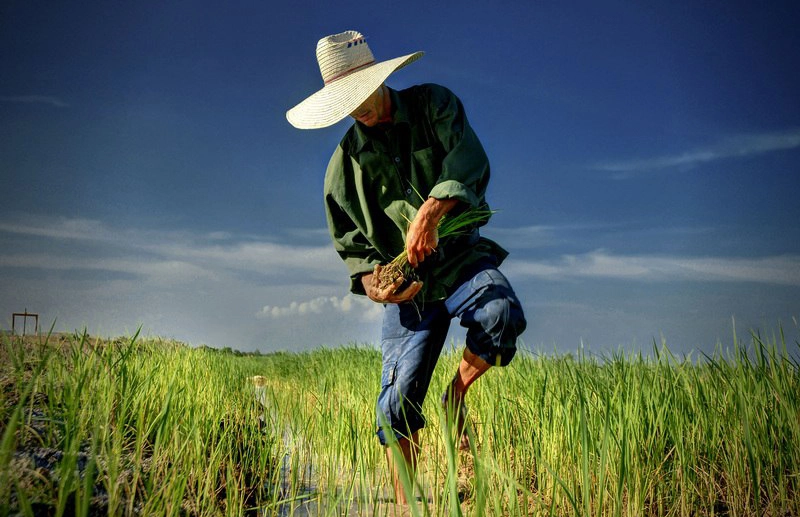
An agricultural program aimed at developing resilient crops is part of the initiatives of Tarea Vida (Task Life). The Cuban state plan to address climate change in the province of Holguin. Designed to guarantee food sovereignty in this global context.
Martha Mouso Batista, a specialist from the Ministry of Science, Technology and Environment, highlighted that this project includes 57 plantations across 88 production entities. Where genetic improvement strategies are being implemented to achieve greater adaptability to the intense drought.
She noted that the result has been the development of grain and root vegetable varieties. That are more resistant to soil aridity and lack of rainfall. Including the I-B-S-16 sweet potato clone and the Paradiso organic potato, with a yield of 16 tons per hectare. The official indicated that soil recovery measures have also been implemented on terraces used for rice cultivation in the municipality of Mayari over the past five years.
This initiative involves cooperatives in the territories of Banes, Rafael Freyre, Mayari, and Calixto García. Also where they are experimenting with planting varieties strengthened through the application of science and innovation.
As part of the actions of Task Life, economic incentives are also being provided to more than 100 producers in the mountainous region. For promoting agroecological practices in harmony with the environment.
Recent years have shown an increase in the average annual temperature, the occurrence of extreme weather events, and saltwater intrusion. Therefore, Cuba’s plan includes mitigating these effects in more than 70 municipalities located along the coastal strip.
The procedures include relocating buildings situated on sand dunes. Rebuilding homes away from hazardous areas, biodiversity studies and economic validation of ecosystems, water resource management, and policies aimed at ensuring food sovereignty.
With information from the Cuban News Agency

- Holguin Health Sector Strengthens Ties with Adolescents and Youth - 1 de October de 2026
- Trump’s measures against Cuba: another step toward strangulation - 1 de October de 2026
- Cuba prioritizes respect and care for older adults - 1 de October de 2026