
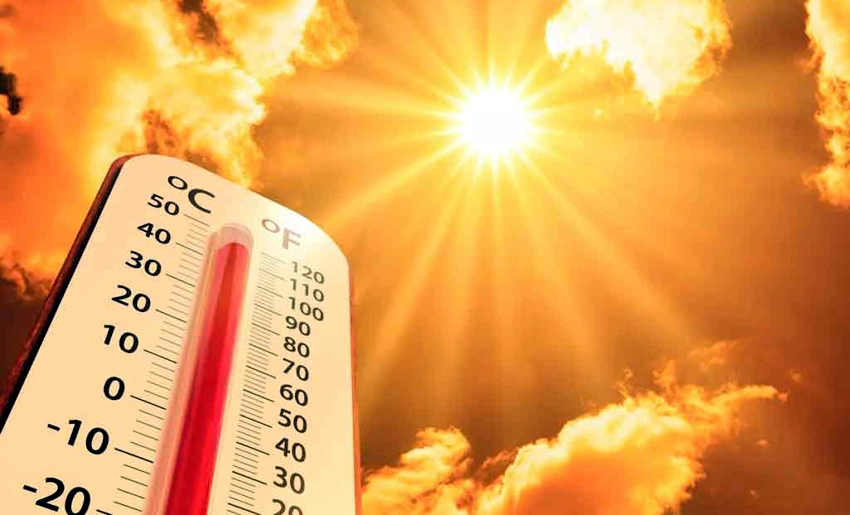
Heat is a part of everyday life; in certain regions, it is even a regular feature of the climate. However, there is a difference between a hot day and a heat wave. When temperatures remain exceptionally high for several days and exceed the usual values for an area. The phenomenon ceases to be merely uncomfortable and can become a risk to health, the environment, and human activities.
Heat waves occur when a mass of hot air remains stationary over a region for an extended period. This can be exacerbated by high-pressure systems that hinder cloud formation and keep the warm air trapped near the surface.
Although they can occur in different parts of the world. They are especially frequent in regions with hot and dry climates. Such as parts of the Mediterranean, the Middle East, Australia, South Asia, and certain areas of the Americas. In recent years, climate change has also contributed to these episodes becoming more frequent, intense, and prolonged in various regions.
The main problem is that the body needs to maintain a relatively stable internal temperature. When the environment reaches extreme temperatures, the body tries to cool itself through sweating and increased blood flow to the skin.
If these responses are insufficient, dehydration, heat exhaustion, and heat stroke can occur, the latter being considered the most serious. The elderly, young children, pregnant women, and those with underlying health conditions are especially vulnerable.
During a heat wave, it is possible to protect yourself in several simple ways: drink water frequently, avoid direct sun exposure during the hottest hours, wear light clothing, stay in cool places, and reduce strenuous physical activity during the hottest times.
Does this mean that heat waves are completely harmful to everyone?
Not necessarily. Heat and high temperatures are part of important natural processes for certain ecosystems. Some crops depend on warm periods to complete their development. Certain animasl and plant species are adapted to these conditions.
Furthermore, heat can favor specific agricultural activities or temporarily reduce the presence of some pests and diseases sensitive to low temperatures. However, these potential benefits do not outweigh the risks that an extreme event poses to people and other ecosystems. Especially when it occurs outside of normal weather patterns.
Therefore, reporting on heat waves should not be limited to announcing that “high temperatures are expected.” Communication should also explain when the risk exists, who is most vulnerable, and what measures can be taken. An informed population can recognize the first signs of heat exhaustion and act before the situation worsens.
Also this phenomenon cannot always be avoided, but many of its consequences can be prevented. Extreme events are increasingly featured in forecasts. Knowing how to protect oneself is not an exaggeration. Heat may be part of summer; turning it into a health emergency depends, to a large extent, on how well we can anticipate it.
By: Indira Vania López Samé

- Social transformations analyzed during meeting with Minister of Labor in Holguin - 9 de October de 2026
- Tradition and Color at Iberoart Fair in Holguin - 9 de October de 2026
- Japanese delegation inspects startup of Caletones desalination plant - 9 de October de 2026