
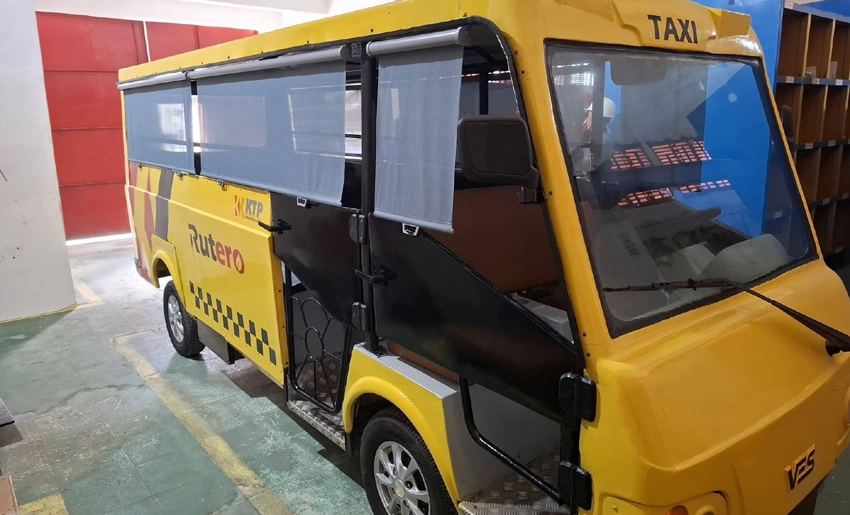
At the general assembly and mounting workshops of the iconic KTP sugarcane harvester factory. Named “Sixtieth Anniversary of the October Revolution” in the province of Holguin, René Rodríguez Morales, delegate of the Minister of Transport, confirmed that the first electric minibus is fully completed and ready to enter service.
With a capacity for 13 passengers, the vehicle was built entirely at these facilities. The factory’s workers, engineers, and specialists have the necessary kits on hand for the first 10 units. Along with the collective motivation to take on the construction of as many additional units as possible.
As Rodríguez explained, this initiative will help mitigate transportation challenges in the city of Holguin. One of Cuba’s largest cities, with nearly half a million permanent residents and thousands more passing through.
Building on initial experiences and the first units constructed in Sancti Spiritus, the specialists in Holguin took on the task. Reviewed designs and feasibility, and got to work. While the electric buses manufactured in Holguin will not solve the problem entirely. They will certainly help alleviate it, Rodríguez clarified.
This project is part of a technology transfer from the province of Sancti Spiritus to Holguin. Out of a batch of 50 electric minibuses, 40 are being assembled in Sancti Spiritus and 10 at the KTP factory in Holguin. Having ceased the production of sugarcane harvesters, the facility is now diversifying its output. With the assembly of electric vehicles serving as one of its new strategic directions.
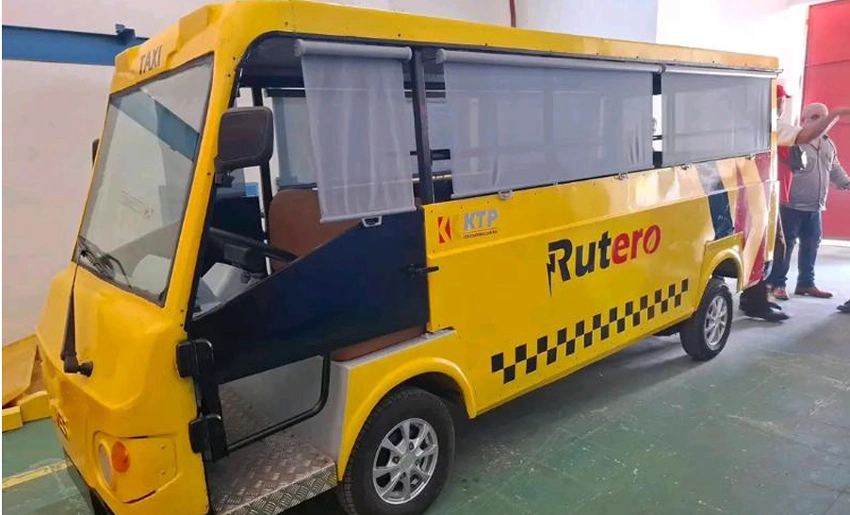
Also the first minibus, completed at the KTP plant, represents a tangible step forward: the factory that once produced sugarcane harvesters for the country is now rolling out a vehicle. That once it leaves the workshop and joins city traffic will help alleviate. At least to some extent, the difficult daily reality faced by those who often spend hours waiting for transportation.
By: Daimy Peña Guillén

- Ibero-American Festival: A Showcase for the Talent of Young Artists from Holguin - 29 de October de 2026
- Tourism workers and groups are recognized in Holguin - 29 de October de 2026
- First Electric Minibus Assembled in Holguin - 29 de October de 2026