
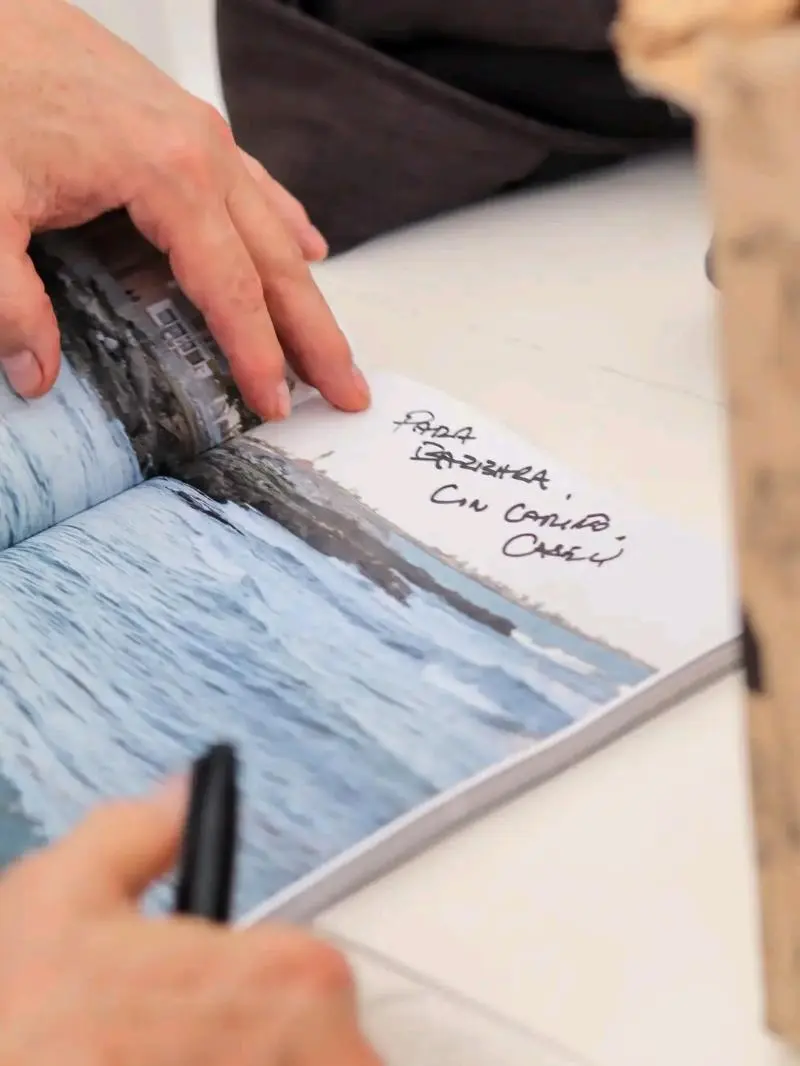
In this untamed coastal town, where the sea and celluloid converge in a unique complicity. The mystique of the Gibara International Film Festival has been immortalized on paper.
American photographer Casey Stoll presented her book, “Gibara, a Magical Manifesto,” at the headquarters of the socio-cultural project “Casa Gitana.” This work compiles the visual and spiritual memory of the prestigious film festival.
This new edition acquires a profoundly historical and theoretical dimension by incorporating. For the first time, the text of the “Manifesto of Low-Budget Cinema.” Written by the unforgettable Cuban filmmaker Humberto Solás, creator and inspiring soul of this celebration of the screen.
For renowned Cuban actor René de la Cruz (son), Stoll is not just a frequent visitor. But a beloved “angel” who silently wanders every corner of this fishing town. With her agile and sensitive lens, the artist has captured both the everyday realities of Gibara’s residents and the artistic mystique that floods its streets during the festival.
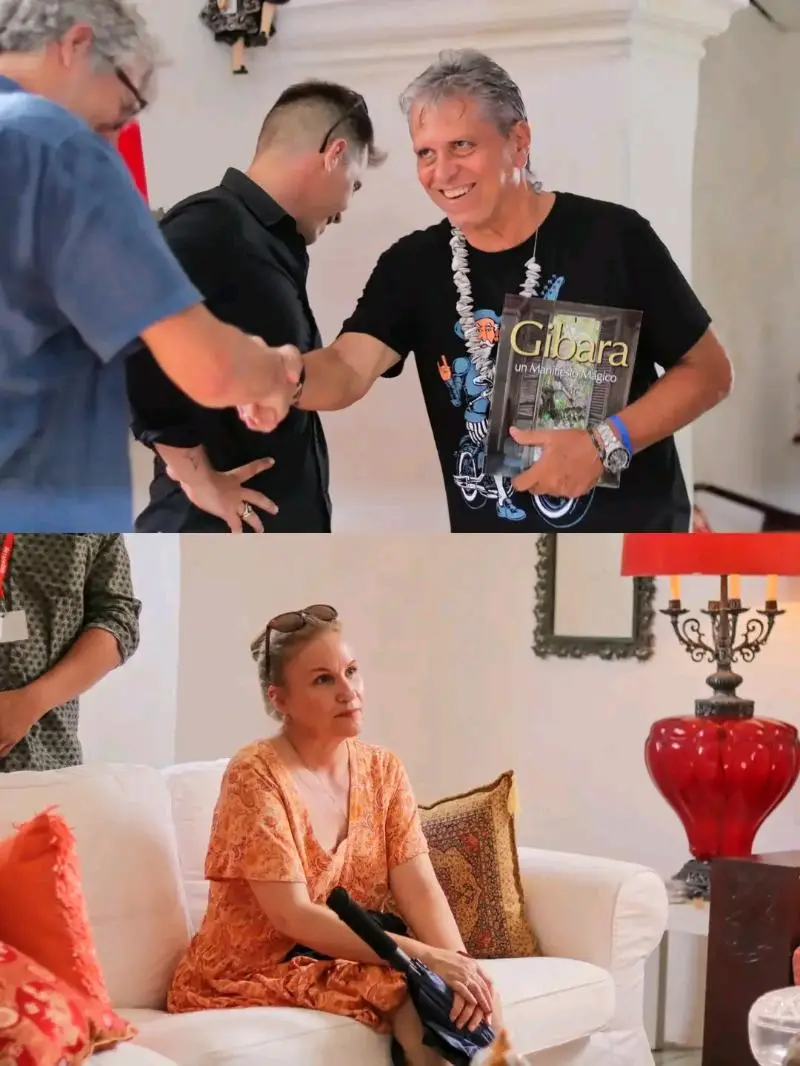
Since 2017, the American artist has dedicated herself to compiling and editing these valuable photographic memories with a single, noble purpose. To gift them to the festival participants as a testament to the affection and respect for artistic creation in the archipelago.
“Gibara is a beloved and incredibly welcoming creative environment. It is a true home for each of the artists who come here year after year to share our art,” Stoll confessed, visibly moved, during the presentation.
This year’s literary and visual offering also carries a strong sentimental component. As it is dedicated to the memory of Jorge Sanz, a beloved local collaborator whose legacy of dedication to the festival remains alive among its organizers and the people of Gibara.
With the publication of “Gibara, a Magical Manifesto,” not only is the festival’s historical archive safeguarded. But the power of art and solidarity as indestructible bridges between peoples is reaffirmed. Solidifying the “White City of Crabs” as the Cuban capital of cinema with identity, resilience, and a community spirit.
By: Daimy Peña Guillén

- When Screens Sell the Wrong Path - 18 de October de 2026
- Russia Delivers 750 Tons of Vegetable Oil to Cuba - 17 de October de 2026
- Neurotic Anonymous Shows That Cinema in Cuba Is Alive and Shining - 17 de October de 2026