
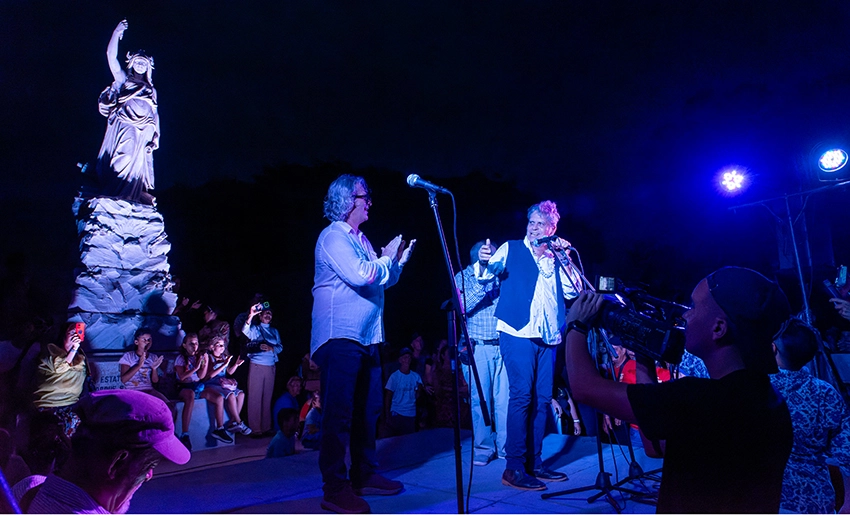
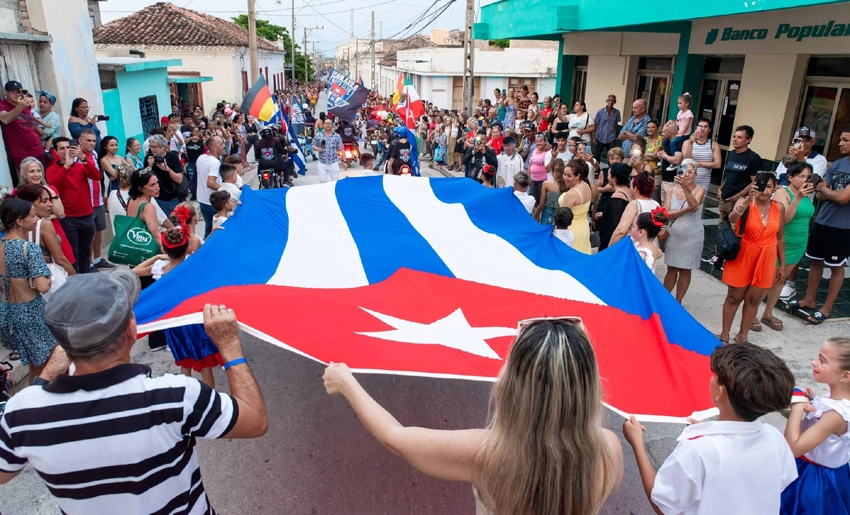
With the mystique and camaraderie that only the “White City” knows how to offer. The 20th Gibara International Film Festival officially opened.
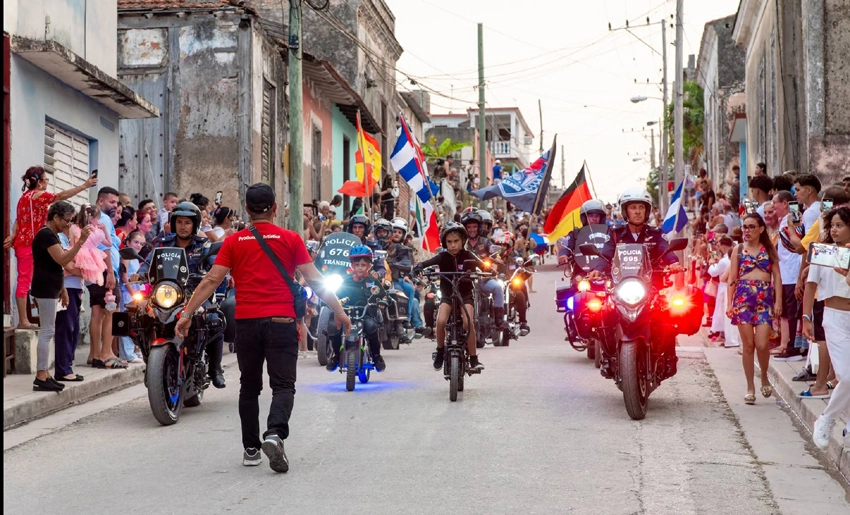
A colorful parade that flooded the city’s main streets kicked off one of the most authentic cultural events in eastern Cuba. Reaffirming that, after two decades, the close bond between cinema and the Gibara community remains stronger than ever.
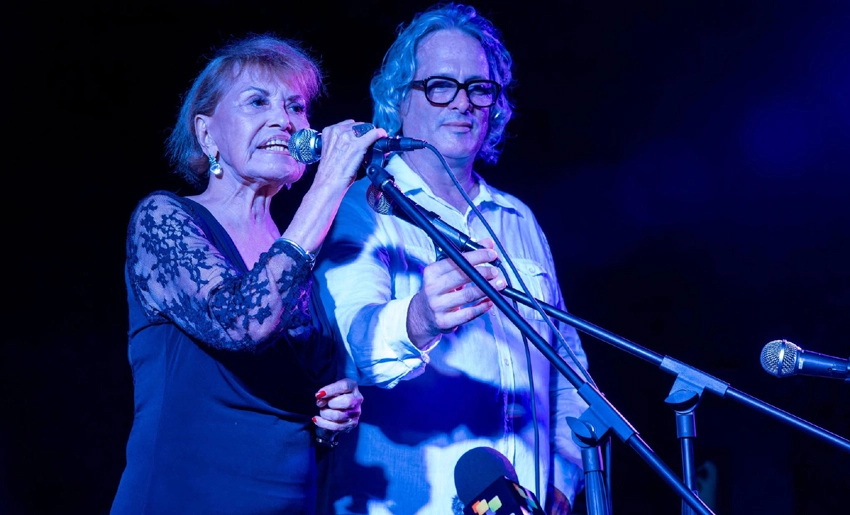
The opening ceremony, held in the coastal city’s Central Park, was presided over by Sergio Benvenuto Solás, the festival’s director. Who, in his welcoming remarks, highlighted the festival’s consolidation as an essential bastion for cultural exchange and the exhibition of alternative, intelligent, and aesthetically valuable cinema.
The grand finale of the opening night took place in front of the iconic Jibá Cinema. There, on a large inflatable screen and under the Gibara sky. The feature film “Anonymous Neurotic,” directed by Jorge Perugorría and starring Mirtha Ibarra, was projected.
The film immerses the viewer in Cuban social reality through the eyes of an elderly woman. Her dream is to make a documentary about the gradual disappearance of neighborhood cinemas in Havana. A perfect metaphor for the resilience of cinema itself.
Moreover this screening kicked off an intense film and art program that brings together creators from nearly 20 countries in Latin America, Europe, the Caribbean, and Central Asia.
Founded by the renowned Cuban filmmaker Humberto Solás, the Gibara International Poor Film Festival reaffirms its position as a space for cultural resistance and social integration. Wednesday’s program features a wide range of events. Combining theoretical debate, visual arts, music, and community discussion.
The screening rooms at the Municipal Museum opened early to present the films in competition. Among the most anticipated offerings of the day are “Te doy mi voz” (Short Film, Cuba) —Directed by María Karla Recio— and “El VIH se enamoró de mí” (Documentary, Colombia-Argentina) —Co-directed by Mariana Iacono and Juan De La Mar—.
Also the House of Culture hosted the opening of the exhibition “Centenario de Alfredo Guevara. Homenaje en carteles” (Alfredo Guevara Centenary: A Tribute in Posters), an initiative sponsored by the CartelON project. Which pays tribute to one of the leading figures of revolutionary cinema.
Additionally, social thought and the future of the region came together in the theoretical panel “Community Filming: Co-designing the Tourism that Gibara Deserves.” In this space, local specialists discussed sustainable sociocultural development strategies for the municipality.
The afternoon offers a special treat for sports enthusiasts and those interested in national identity at the Municipal Museum with the screening of the documentary “Mijaín.” By filmmakers Rolando Almirante, Ángel Alderete, and Héctor Villar. A moving tribute to the five-time Cuban Olympic champion Mijaín López.
Also the visual arts are also making their way into new hotel spaces in the town. The Hotel Arsenita is hosting the exhibition “Tides,” by artists Laura I. Millán and Katerín Machín. And the Hotel Ordoño will be inaugurating the group exhibition “Printed Chronicles.”
As night falls, outdoor screens will light up simultaneously in Calixto García Park, the House of Culture, and the El Güirito Youth Center. Democratizing access to the best of international cinema.
To close this day of artistic convergence, Da Silva Square will vibrate with the folk music of Laynier Verdecia and Camilo de la Peña. Followed by the danceable rhythms of the renowned orchestra Ases del Ritmo. Gibara, once again, demonstrates that cinema is not just for viewing, but for experiencing as a community.
By: Daimy Peña Guillén

- When Screens Sell the Wrong Path - 18 de October de 2026
- Russia Delivers 750 Tons of Vegetable Oil to Cuba - 17 de October de 2026
- Neurotic Anonymous Shows That Cinema in Cuba Is Alive and Shining - 17 de October de 2026