
Breathing is such an automatic action that we rarely think about it. However, each breath connects us directly to the state of the environment around us.
Air pollution continues to be one of the world’s major environmental and health problems, raising a worrying question. What are the consequences for our health of the air we breathe every day?
Air pollution occurs when harmful substances accumulate in the atmosphere at concentrations capable of affecting people, animals, and the environment. Among the main causes are vehicle emissions, industrial activities, the burning of fossil fuels. Energy generation using polluting sources, and the improper burning of waste. These activities release fine particles, smoke, and toxic gases that remain suspended in the air and end up entering the respiratory system.
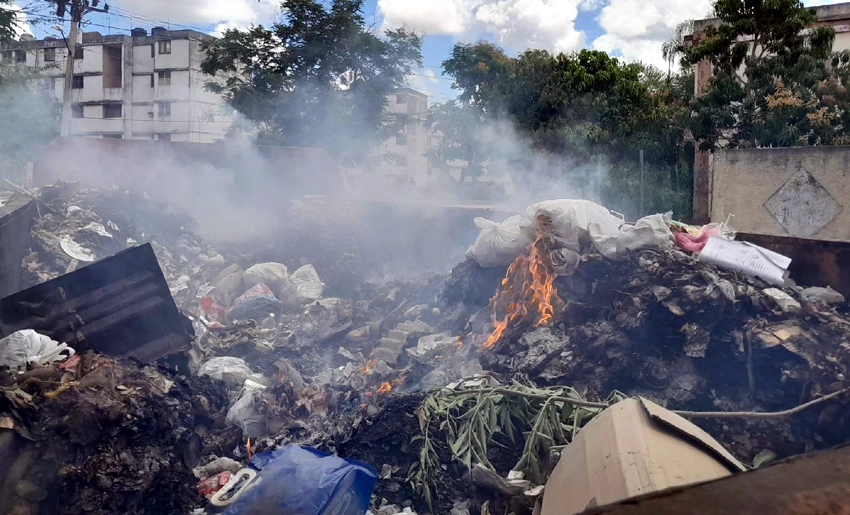
One of the most damaging phenomena in this context is forest fires and the burning of waste. When large areas of vegetation burn, enormous quantities of smoke and microscopic particles are released. Which can travel long distances.
Something similar occurs with the burning of trash. Especially when it contains plastics or other synthetic materials that produce highly toxic substances. Although many people perceive the smoke as a temporary nuisance. Its effects can be much more serious, especially in vulnerable populations.
Prolonged exposure to polluted air can cause or worsen various respiratory illnesses. Among the most common are asthma, chronic bronchitis, respiratory allergies, and chronic obstructive pulmonary disease (COPD). Furthermore, polluting particles can increase the risk of respiratory infections and affect lung capacity. Especially in children, the elderly, and people with pre-existing conditions. Air pollution has even been shown to contribute to the development of cardiovascular diseases and other health problems.
Given this reality, prevention requires action. Reducing polluting emissions, promoting cleaner energy sources. Avoiding the burning of waste, and protecting forested areas are fundamental measures.
On a personal level, it’s also important to avoid prolonged exposure to smoky environments. To stay informed about air quality, and use appropriate protection when environmental conditions require it.
Raising awareness about this problem is not just an environmental issue, but a public health necessity. After all, air is a source of life, not a silent threat that compromises our well-being with every breath.
By: Indira Vania López Samé

- Holguin Health Sector Strengthens Ties with Adolescents and Youth - 1 de October de 2026
- Trump’s measures against Cuba: another step toward strangulation - 1 de October de 2026
- Cuba prioritizes respect and care for older adults - 1 de October de 2026