
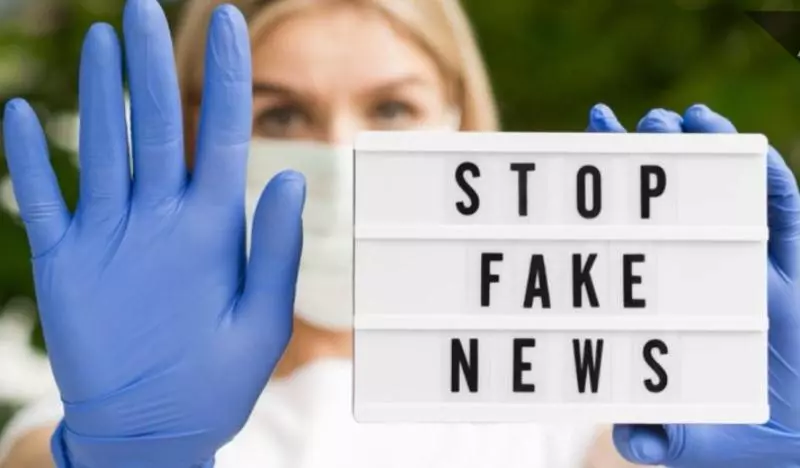
A headache that is “cured” with a miraculous home remedy, a diet that promises impossible results in just a few days, or an alarming post about a disease that authorities are supposedly hiding. This type of content circulates daily on social media and raises an increasingly urgent question: How much of the health information we consume online is truly reliable?
Social media has become one of the main sources of information for millions of people. Platforms like Instagram, TikTok, Facebook, and X allow quick access to medical advice, personal experiences, prevention campaigns, and scientific news.
However, along with useful and verified information, rumors, myths, treatments without scientific backing. And fake news related to diseases, medications, and health habits also circulate.
The problem is that false information tends to spread faster than verified information. Social media algorithms prioritize content that generates the most interactions, regardless of its veracity. As a result, alarmist messages, shocking testimonials, and supposed “miracle cures” gain significant visibility, while rigorous medical explanations tend to receive less attention.
Given this situation, it’s crucial to know how to identify the veracity of this type of information. Some warning signs include exaggerated headlines, a lack of reliable sources, promises of immediate results, or messages that appeal solely to fear.
Verifying information on official health institution websites, consulting reputable media outlets, and comparing different sources are essential steps before sharing any content.
Debunking fake news also requires responsibility. It’s not enough to simply ignore it. It’s important to correct the information using verifiable data and expert sources. Sharing reliable content can help curb the spread of rumors that, in many cases, influence health-related decisions.
The consequences of this fake news extend beyond misinformation. An excess of alarmist content can generate anxiety, fear, and uncertainty. Especially in vulnerable individuals or those experiencing health problems. During health crises, for example, the spread of misinformation has contributed to increased collective panic and distrust of medical professionals and institutions.
Therefore, learning to identify false content is not only a matter of digital literacy, but also of well-being. When misinformation goes viral, the consequences don’t stay on the screen. They end up affecting decisions, emotions, and, in many cases, health itself.
by: Indira Vania López Samé
- Putin states that BRICS has generated over 40 percent of global GDP - 12 de September de 2026
- Between the wind of the tenths and bottled art - 12 de September de 2026
- ETECSA Holguin Hosts Science and Technology Forum - 12 de September de 2026