
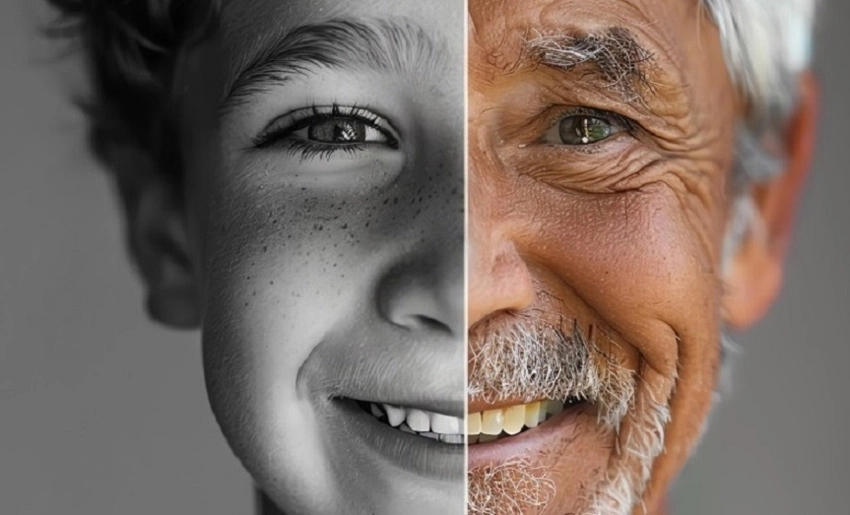
Hello, my friends. It’s good to find you again in this column. Today I want to tell you about something that affects all of us, absolutely all of us: aging. And I want to talk to you about it because, although it may seem like a distant topic. It actually concerns us from the moment we are born. Aging is not a disease, it is a stage of life. But how do we live it? With fear, with resignation or with plenitude? That’s what I want to talk to you about today, because I am convinced that aging well is not a stroke of luck. But something that is built, learned and cultivated.
Let’s start with the basics. Aging is a natural, universal and inevitable process. We all age, although not all of us do so in the same way or at the same rate. From a biological point of view, it involves a series of gradual changes in our cells, tissues and organs. The skin loses elasticity, the bones become more fragile, sight and hearing change, and muscle mass decreases. Functions such as memory, processing speed or the ability to adapt to stress also change.
But be careful: aging is not just biology. It is also a psychological and social process. Our roles, our routines, our relationships change. Many people retire, children leave home, loved ones are lost. And in this network of changes, the way we interpret and adapt to them makes an enormous difference.
The World Health Organization reminds us that aging is a continuous process that lasts a lifetime. And that the way we age depends not only on our genetics, but also on our environment, our habits and our decisions. That is, we are not completely at the mercy of the calendar. There are many aspects that are in our hands.
And there is something else I want to emphasize: getting older is also a conquest. That today we can talk about “active aging” is because life expectancy has increased considerably. In past centuries, reaching the age of seventy or eighty was a privilege for few. Today it is increasingly common. Therefore, rather than fearing the years, we should learn to live them well.
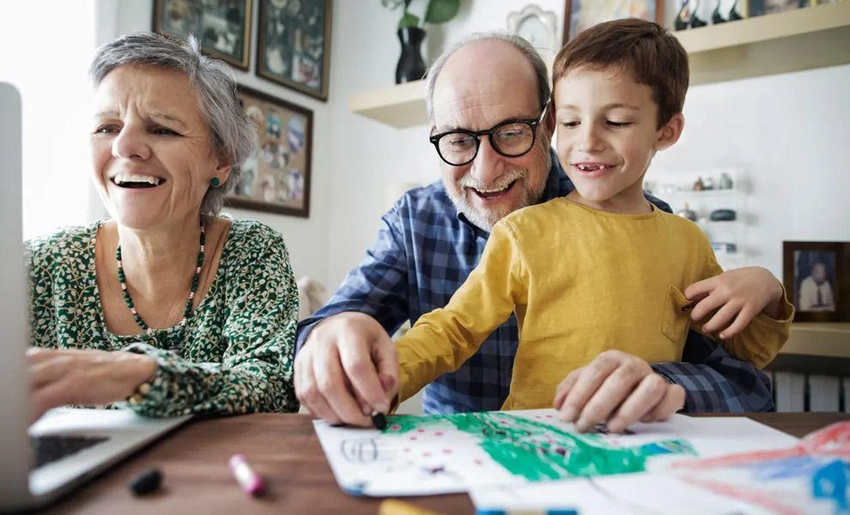
Now, if something hinders good aging, it is certain myths that exist in the minds of many people. Also those false ideas that are repeated so much that they end up seeming like truths. Let me share with you the most frequent ones, because dismantling them is the first step to living this stage with freedom.
-Aging means becoming ill. False. Old age is not synonymous with illness. While it is true that the likelihood of developing certain chronic conditions increases with age. Many older adults enjoy excellent health. Illness is not inherent to aging.
-At a certain age, it is no longer possible to learn anything new. Nothing could be further from the truth. The adult brain retains an astonishing capacity for plasticity. So that is, the ability to reorganize itself and form new connections. One can learn a language, play an instrument, use technology, or even start a new career at the age of sixty, seventy, or eighty.
-Older adults are a burden on their families and society. This myth is particularly unfair. Older people contribute experience, wisdom, care, and both financial and emotional support. They often serve as pillars for their families and communities. Their contribution is enormous, yet frequently invisible.
-Loneliness is inevitable in old age. While some older adults do face loss and isolation, loneliness is not an unavoidable fate. Support networks, new relationships, and social engagement can enrich life at any stage.
-At this age, it is no longer possible to change. The capacity for change and personal growth has no expiration date. Many people discover new passions, mend relationships, or transform their perspective on life during their later years.
-Sex and affection are only for the young. The need for affection, intimacy, and pleasure stays with us throughout our entire lives. Sexuality in later life is real—it is expressed in many different ways and deserves to be respected.
As you can see, these myths are not harmless: they are internalized, acting as limitations that cause shame and hold people back. Challenging them with accurate information and real-life examples is a task for all of us.
What is active aging?
Here, we arrive at the heart of our conversation. The concept of “active aging” was promoted by the World Health Organization (WHO) in the late 1990s and early 2000s, and today it serves as a global benchmark. It is defined as the process of optimizing opportunities for health, participation, and security in order to enhance people’s quality of life as they age.
Take careful note of these three key terms: health, participation, and security. It is not merely about avoiding illness. Rather, it is about living with a sense of well-being, remaining an active part of social life, having protection, and feeling that life has meaning.
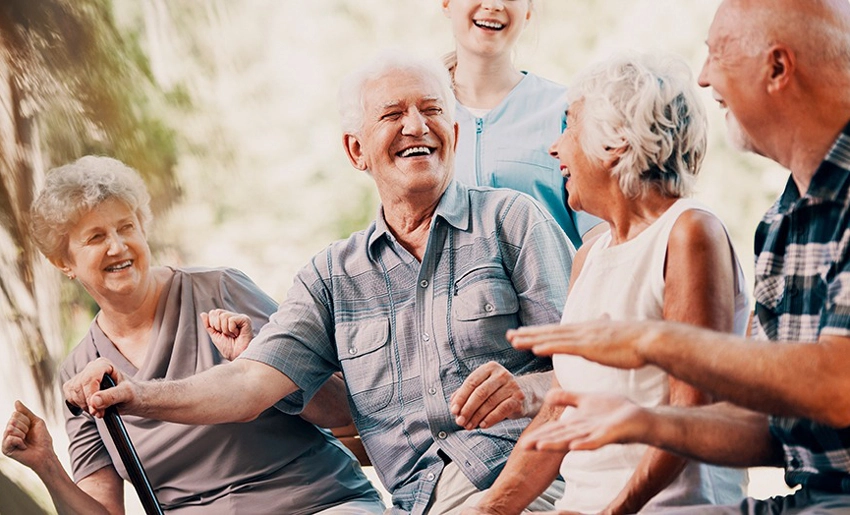
So there is also an important nuance: “active” does not mean running marathons or engaging in intense exercise every day. It means staying involved—continuing to have projects, connections, and purposes. A person who reads, engages in conversation, tends to their plants, helps a neighbor, or participates in a social group or club for seniors is aging actively. Activity is not just physical; it is also mental, emotional, and social.
Active aging rests on several pillars identified by the WHO: health systems, behavior and lifestyles, the physical and social environment, personal and economic factors, and support networks. In other words, it does not depend solely on the individual, but also on the surrounding society. On public policies, age-friendly cities, accessible health services, and a culture that respects and values its older adults.
What can we do to age actively and healthily?
This is the “million-dollar question.” I’ll share a few key points that—based on scientific evidence and my own clinical experience—make a real difference.
- Take care of your body, but also your mind. Regular physical activity—walking, dancing, swimming, or gentle strength training—is one of the best “medicines” available.It improves mood, protects the heart, strengthens bones, and reduces the risk of cognitive decline. Complement this with a balanced diet, good sleep, and proper hydration. And don’t forget to exercise your brain: read, learn, solve crossword puzzles, engage in conversation, listen to music, or write.
- Maintain and cultivate relationships. Unwanted loneliness is one of the greatest threats to health in old age. Surround yourself with people, nurture existing friendships, make new ones, and participate in groups. Within your community or your family. Affection is an essential nutrient.
- Have a purpose. Having a reason to get up each day—a project, a hobby, a cause, a caregiving role, or a passion—gives life meaning and direction. The scale doesn’t matter; what matters is that it matters to you.
- Take care of your mental health. Depression and anxiety are not “normal” in old age, even though they may sometimes masquerade as apathy or physical complaints. If you notice persistent sadness, a loss of interest, or changes in your sleep or appetite, seek professional help. Mental health is an integral part of overall health.
- Maintain your autonomy and dignity. Foster your independence as much as possible, take part in decisions that affect you, and express your wishes. And if you need support, ask for it without shame: asking for help is not a loss of autonomy—it is an exercise of it.
- Adapt and be flexible. Life changes, and aging involves adapting to losses and new realities. Resilience—the capacity to overcome challenges and find new paths—is one of the greatest allies for aging well.
- Prepare and plan. Financial security, suitable housing, access to healthcare services, and planning for the future are all part of active aging. Staying informed and getting organized in advance will provide you with peace of mind.
- Change your perspective on old age. This applies to everyone—young people included. A society that respects, values, and includes its older members creates the conditions for aging to be a dignified and fulfilling stage of life. In one way or another, we are all aging.
Aging is not the end of life; it is a continuation of life, experienced with different nuances. The years ahead can be a time of wisdom, serenity, deep connections, and renewed projects. It is not about stopping time, but about living it to the fullest.
In my column, “The Psychiatrist and You,” I always emphasize the same point: mental health is not a luxury—it is a right—and aging well is an achievable goal. It depends on you, yes, but it also depends on all of us as a society. Let us, starting today, cultivate a culture that celebrates life in all its stages.
- Aging well: the art of adding years with health, meaning and joy - 19 de October de 2026
- Schizophrenia: More Than a Diagnosis, a Human Story that Worth Understanding - 12 de October de 2026
- Facing Adversity: Keys to Transforming Pain into Strength - 31 de August de 2026