
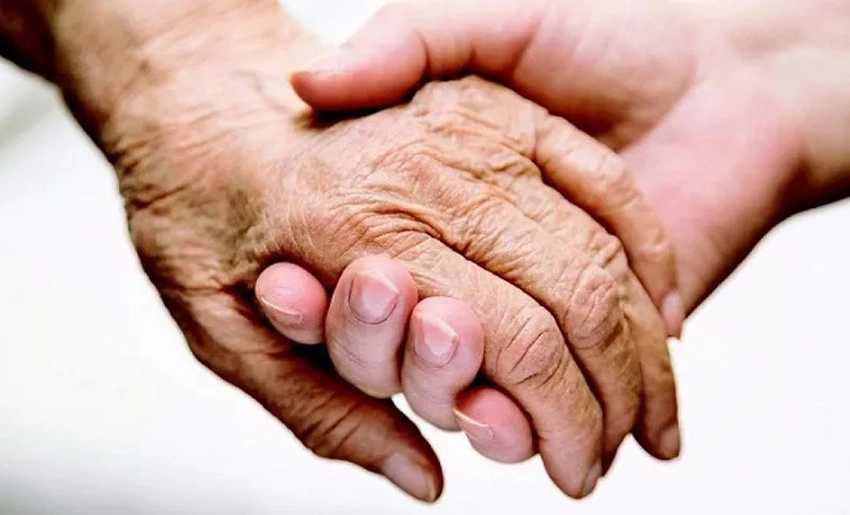
Cuba is aging; the number of older adults rises every year. Although the country’s comprehensive health and social programs aim to foster well-being and healthy aging. Achieving this goal currently poses a genuine challenge for the State, the healthcare system, and families alike, given the prevailing limited living conditions.
According to data from the National Office of Statistics and Information (ONEI) as of the end of 2025. The island has the highest aging rate in Latin America and the Caribbean: 26.7% of its inhabitants are over the age of 60. Faced with this reality, there is an urgent need for effective public policies, sufficient resources, and a care network capable of supporting an increasingly elderly and vulnerable population.
But how can a dignified old age be guaranteed when the country is experiencing its worst economic crisis in decades? This crisis is marked by rampant inflation, a difficult energy situation, high prices for food and hygiene products, and medicine shortages. A landscape exacerbated, as never before, by the tightening of the United States blockade.
For many elderly Cubans, the day begins with uncertainty regarding what they will eat and how they will cook. High food prices, coupled with insufficient pensions and wages, have limited family diets to very basic staples—whenever these can even be obtained. Those who do not receive assistance from abroad can barely afford the bare essentials for survival. Consequently, elderly individuals suffering from poor nutrition are more vulnerable to anemia and the worsening of chronic conditions.
Compounding this reality are the current difficulties in preparing and storing food. Prolonged daily power outages and a lack of liquefied gas force people to cook under precarious conditions. Many older adults lack the health or resources to handle this arduous domestic task on their own. Today, many households struggle to get by amidst high levels of stress. Caring for the elderly can be an exhausting physical and emotional burden.
A shortage of medicines also diminishes the quality of life for older adults in Cuba. As this stage of life brings an increase in chronic ailments, a decline in motor and cognitive abilities, and a higher risk of falls and hip fractures. Consequently, without timely treatment or adequate hygiene supplies, a manageable condition can escalate into severe dependency.
Current geriatric care services are insufficient to keep pace with the rapid aging of the Cuban population. Simply having medical consultations, nursing homes, or day centers for the elderly is not enough. A community-based care network is needed—one that includes home care, rehabilitation, psychological support, specialized nutrition, and companionship for those living alone.
Likewise, there is a need for institutional information systems to help families manage the care of older adults. Also as well as a need to strengthen medical care at the primary health level.
In recent years, Cuba has adopted regulations aimed at protecting the elderly. The 2019 Constitution recognizes the right to a dignified life. Article 88 establishes the obligation of the State, society, and families to protect and assist the elderly. To facilitate the conditions necessary to meet their needs and improve their quality of life.
Similarly, the Family Code—in effect since 2022—includes provisions regarding care, autonomy, family life, and protection against violence.
Furthermore, Agreement 10249 was recently published in the Official Gazette of the Republic, authorizing non-state economic actors to provide care services for older adults and persons with disabilities.
However, having regulations and social programs is not enough. A budget, trained personnel, and effective mechanisms for reporting and addressing the neglect or abuse of the elderly are required.
Cuba is aging amidst a backdrop of impoverishment, emigration, and family disintegration. Caring for older adults is a social obligation. Providing them with food, medicine, companionship, and respect is not an act of charity. It is the true measure of how much a society values human dignity.

- Cuba: Challenges of a Rapidly Aging Society - 2 de October de 2026
- Radio: 36 Years of Creativity and Passion for Gilberto García Acosta - 28 de September de 2026
- Breastfeeding: The Best Start in Life - 7 de August de 2026