
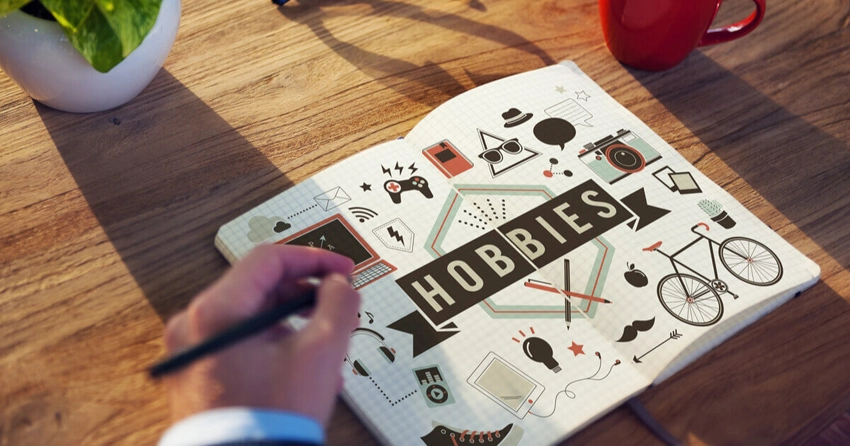
Dedicating time to an activity simply for pleasure is often seen as a luxury or a waste of time. However, hobbies are quite the opposite. Far from being an unimportant pastime, they represent a space of well-being. It promotes physical, mental, and emotional balance at any stage of life.
A hobby is an activity that a person voluntarily pursues during their free time out of interest, enjoyment, or personal satisfaction. Reading, dancing, painting, playing sports, playing an instrument, gardening, cooking, knitting, collecting objects, or learning a language are just a few examples.
There is no set age for having a hobby, nor a specific time to discover one. To mention a few examples: children can develop their creativity through drawing. Young people find a form of expression in music or sports. Adults use these activities to disconnect from daily responsibilities, and older adults find them a way to stay active and socially connected.
In terms of mental health, hobbies help reduce stress, decrease anxiety. Improve mood by offering a space where the mind can focus on a pleasurable activity and escape, even if only for a moment, from everyday worries. They also strengthen self-esteem, as they allow people to develop skills, achieve personal goals, and experience a sense of accomplishment.
Regarding physical health, many hobbies involve physical movement. Such as dancing, walking, practicing yoga, or engaging in outdoor activities. These practices promote cardiovascular health, strengthen muscles and joints, improve balance, and help prevent a sedentary lifestyle. Even less physically demanding activities, such as gardening or some crafts, stimulate coordination.
Another important aspect is the social value of hobbies. Sharing interests with others facilitates the creation of bonds. It strengthens a sense of belonging, and combats loneliness. A problem that can affect both young people and older adults.
Therefore, hobbies shouldn’t be considered secondary activities or reserved solely for those with free time, nor should they be limited to a specific age. They are an investment in well-being and quality of life. Dedicating a few minutes a day to something that sparks curiosity or brings satisfaction doesn’t mean neglecting responsibilities, but rather taking care of oneself.
Perhaps it’s time to stop asking if we have time for a hobby and start asking ourselves what happens when we stop doing what makes us feel alive.
By: Indira Vania López Samé

- U.S. Dermatologists Develop an Oral Pill for Hair Loss in Men - 21 de October de 2026
- Cuban Foreign Minister Denounces U.S. Pressure Regarding Votes Against the Blockade - 21 de October de 2026
- Second Phase of the “Sowing Life” Project Launched in Holguin in Cooperation with Mexico - 21 de October de 2026