
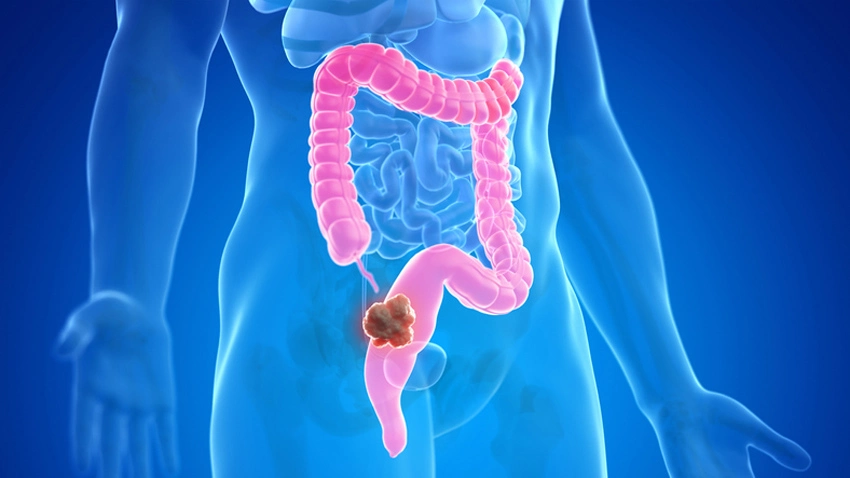
A colon cancer diagnosis has a profound emotional impact on both patients and their families. Some experience an initial shock after confirmation, are overwhelmed by uncertainty about the future. Others fear the progression of the disease or the possible side effects of treatment. All grapple with the possibility of death. However, early detection improves survival rates and allows the disease to be identified in its initial stages, when it is more treatable and curable.
Worldwide, this cancer is the third most common, affecting both sexes. In the province of Holguin, new diagnoses are being made every year. With a trend in recent years toward increased detection in patients at younger ages than the general average, between 40 and 50 years old, especially among men.
While the exact causes of this malignant tumor are unknown. It occurs when healthy cells in the colon have errors in their genetic makeup. The DNA of a cell is damaged, it continues to divide, and the tumor forms. Specialists agree that its origin is multifactorial and depends on many endogenous and exogenous factors for its development.
Having a family history of colon cancer or hereditary diseases such as Lynch syndrome. A familial adenomatous polyposis, or Peutz-Jeghers syndrome—a genetic condition that causes the development of non-cancerous tumors in the digestive tract. It predisposes patients to developing a neoplasm in this location.
Other risk factors include obesity and excess body fat, especially around the abdomen. Excessive alcohol consumption; diets high in red meat, processed foods, and saturated fats. And low consumption of fruits and vegetables, all of which have been associated with an increased risk of colon cancer.
Although this condition presents with diverse, generally gastrointestinal, symptoms. It typically begins with a feeling of fullness, dark stools or frequent diarrhea without symptoms of indigestion. Diffuse abdominal pain, reflux, abdominal distension, and anemia. In more advanced stages of the disease, other manifestations may appear. Such as difficulty defecating, peritonitis, and intestinal obstructions due to tumors.
Screening and monitoring tests such as colonoscopy, rectoscopy, digital rectal examination, abdominal X-ray, ultrasound monitoring, colonoscopy for edema. And a series of other studies not only save lives but also significantly reduce the morbidity associated with this condition. These tests provide a way to monitor the disease and act as soon as possible after it appears. Therefore, it is recommended that anyone experiencing suggestive symptoms seek medical attention as soon as possible.
Colon cancer, infographic, health, World Day. Global statistics show that the five-year survival rate for localized colon cancer. When it has not spread, is 90 percent. Mortality rates increase with late diagnosis, in advanced stages, when metastasis appears. At the Holguin Territorial Cancer Center, the primary treatment for this type of cancer is surgery. Which guarantees patient survival. Therefore, surgery is often performed, even in advanced stages, to improve the quality of life of those affected. Treatment is also complemented with chemotherapy. Also where up to 12 cycles are prescribed, and radiation therapy is provided when necessary.
Globally, there have been significant advances in immunotherapy and targeted therapies. Such as genome sequencing and other advanced techniques that allow for more precise identification of genetic alterations in tumors. There is a growing interest in understanding how gut bacteria can influence carcinogenesis. Which will provide new avenues for its prevention and treatment. As research and clinical trials are conducted, these modalities are expected to evolve. Offering new hope and improving outcomes in this area.
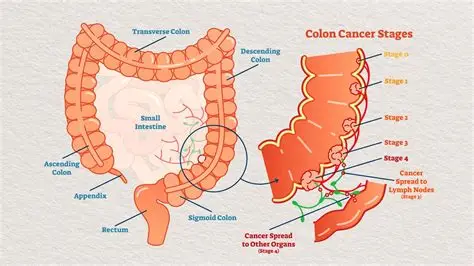
It is true that some risk factors cannot be changed, but addressing modifiable risk factors. Such as diet and physical activity, is an effective strategy for reducing the likelihood of developing colon cancer. The main preventive actions focus on maintaining a healthy diet rich in fruits, vegetables, and whole grains. And on maintaining an active lifestyle with regular exercise, which can significantly contribute to the prevention of this disease.
Because this diagnosis has a significant emotional impact on both patients and their families. Also psychological support is crucial to help manage these complex emotions and facilitate communication.
Psychological support for patients and families should not be overlooked. As a cornerstone of treatment in developing effective strategies to manage the stress and anxiety. Associated with cancer diagnosis and treatment. This approach provides a space to express fears, worries, and emotions. Which can help demystify the disease and reduce uncertainty through coping skills.
Colon cancer represents a significant public health challenge due to its increasing prevalence and mortality. This underscores the social need to raise awareness of risk factors and preventive actions. That contribute to winning the fight against cancer, beyond a single day or specific date.

- Holguin: Hub for Hereditary Ataxia Research and Care in Cuba - 29 de September de 2026
- A multidisciplinary approach addressing dementia in Holguin - 29 de September de 2026
- It’s Open the First Drugstore specializing in cosmeceuticals, hygiene, and personal care products - 9 de September de 2026