
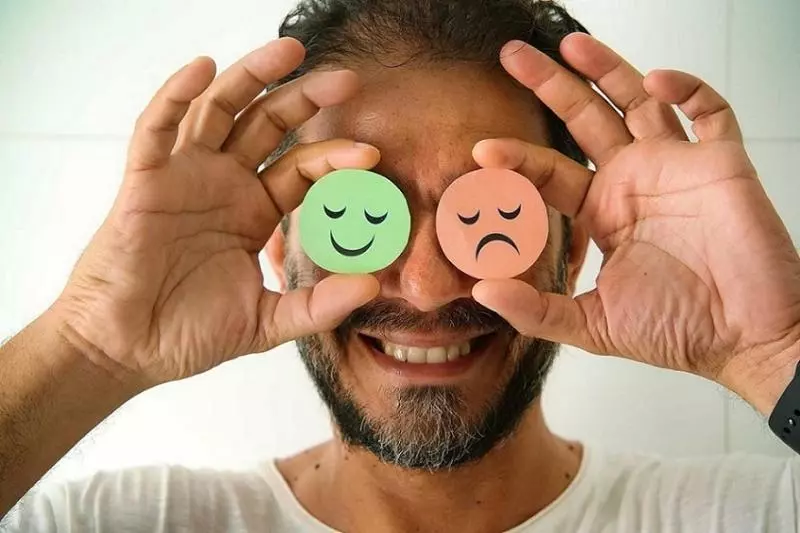
In our previous meeting, I mentioned that emotions are an integral part of the human experience. And shape our reactions, decisions, and overall well-being. I also explained that emotional regulation refers to the ability to influence which emotions we feel. When we feel them, and how we express or experience them. For many people, recognizing an emotion is difficult, and trying to influence it is even more so. This is especially true if they have experienced trauma or persistent stress. That has forced them to become desensitized, to some extent, in order to survive.
Learning to manage emotions effectively is crucial for mental health and social success. The good news is that there are things we can do to expand that ability. In this article, we will explore some facets of emotional regulation and evidence-based techniques to improve it.
We must keep in mind that in our daily lives, we experience a wide variety of emotions: joy, sadness, anger, fear, surprise, among others. These emotional responses are a natural part of our existence. Serve important functions, such as alerting us to dangers or motivating us to achieve goals. However, we don’t always know how to manage them appropriately and healthily. This is where emotional regulation plays a fundamental role in our psychological and physical well-being.
Emotional Regulation: A Definition
Emotional regulation is a dynamic and multifaceted process. Through which we experience and express our emotions. It can be conscious, such as actively deciding to calm down after a stressful meeting. Or it can be unconscious, such as automatically feeling relief after a deep breath we take spontaneously at a given moment. This process helps us maintain balance. Ensuring that emotions don’t overwhelm us or disrupt our daily functioning.
Effective emotional regulation allows us to respond appropriately to life’s challenges without becoming overwhelmed or acting impulsively.
It fosters resilience and mental health. While difficulties regulating our emotions can generate various challenges. Also that can have a profound impact on our well-being, our relationships, and our ability to function in society.
Therefore, emotion regulation is likely to be a key focus in the psychotherapy people receive for different reasons. Understanding the process and ways to improve it is a fundamental requirement for a psychotherapist.
Healthy emotional regulation is based on three key factors. According to Naragon-Gainey and colleagues in a 2017 article:
- Being able to disconnect from the intensity of the emotion.
- Also being able to interrupt the rumination cycle.
- And being able to re-engage with the situation in an adaptive way. Here are some examples of healthy emotional regulation that you can incorporate and encourage:
Let’s look at the first: Reframing negative thoughts. When faced with a difficult situation, instead of catastrophizing. Reframe the event to focus on the learning opportunity. This is what many people call “seeing the bright side.”
Second example: Acceptance and mindfulness. In moments of intense stress. Practice acceptance and mindfulness to calm your nervous system and regain emotional balance.
Third example: Take a break. Recognize when an emotion like anger intensifies. Temporarily remove yourself from the situation to calm down before responding.
Fourth: Express emotions constructively. Use calm and assertive communication to express your feelings appropriately. Instead of suppressing or lashing out at them.
And finally, the fifth example: Problem-solving. Instead of dwelling on unpleasant emotions and feelings. Identify actionable steps to address the cause, the root of the emotion.

Using these strategies demonstrates self-awareness and a proactive approach to managing emotions in a healthy and adaptive way. Below are six effective techniques for emotional regulation.
- Deep, Conscious Breathing
This technique involves taking slow, deep breaths. Focusing on the inhalation and exhalation. Conscious breathing helps activate the parasympathetic nervous system. Which promotes calmness and reduces anxiety. To practice, close your eyes, inhale slowly through your nose for about 4 seconds. Hold your breath for 4 seconds, and exhale slowly through your mouth or nose for another 4 seconds. Repeating this several times helps reduce stress and regain emotional control.
- Cognitive Restructuring
This technique involves identifying negative or distorted thoughts that generate emotional distress. So replacing them with more realistic and adaptive interpretations. For example, if you think, “I’ll never improve,” when you make a mistake, you can change it to: “I’m learning, and every mistake helps me grow.” Cognitive restructuring helps change negative thought patterns. Promoting more balanced emotions and a healthier perspective.
- Mindfulness
This involves focusing your attention on the present moment without judgment. Practicing mindfulness helps you accept emotions as they are. Without letting them control you or avoiding them. You can practice through guided meditations, observing your breath. Or paying attention to bodily sensations, sounds, or thoughts without trying to change them. This technique fosters understanding of your own emotions and reduces emotional reactivity.
- Appropriate Emotional Expression
Recognizing and expressing emotions in a healthy way is fundamental for regulation. This can include talking to someone you trust, writing in a journal. Or participating in creative activities such as art or music. Appropriate expression helps relieve emotional burden, prevents emotions from accumulating. And facilitates their processing, promoting emotional balance.
- Progressive Muscle Relaxation Techniques
This involves systematically tensing and relaxing different muscle groups in the body. This technique helps reduce the physical tension. That is associated with negative emotions and promotes a state of calm. To practice it, you can start by tensing a muscle group for a few seconds and then slowly releasing it. Paying attention to the sensations. Progressive muscle relaxation is especially useful for managing anxiety and stress.
- Healthy Distraction
In moments of intense emotion, it can be helpful to shift your attention to activities that distract you and allow you to gain emotional distance. This can include walking, listening to music, reading, pursuing a hobby, or exercising. Healthy distraction helps reduce the intensity of strong emotions and gain perspective. Facilitating more effective emotional regulation.
These techniques, applied consciously and regularly. It can enhance the ability to manage emotions adaptively. Promoting emotional well-being and mental health.
Emotional regulation is an essential component of living a healthy and fulfilling life. It’s not about eliminating uncomfortable emotions, but about learning to manage them effectively.
Through self-awareness, relaxation techniques, and changes in our thoughts and behaviors. We can strengthen our ability to face life’s challenges with greater resilience and well-being. Investing in emotional regulation not only improves our quality of life. Also equips us with tools to build more fulfilling relationships and successfully cope with adversity. Start putting these strategies into practice today and discover how good emotional management can transform your well-being.

- Aging well: the art of adding years with health, meaning and joy - 19 de October de 2026
- Schizophrenia: More Than a Diagnosis, a Human Story that Worth Understanding - 12 de October de 2026
- Facing Adversity: Keys to Transforming Pain into Strength - 31 de August de 2026