
Few services demand as much fortitude, respect, and promptness as funeral services. In the province of Holguin, this activity, defined by its profound human sensitivity. Currently faces a scenario of shared tensions: on the one hand. The direct and suffocating impact of the economic, commercial, and financial blockade imposed by the United States. On the other, the internal struggle for organization, ethics, and the search for alternatives in the face of scarcity.
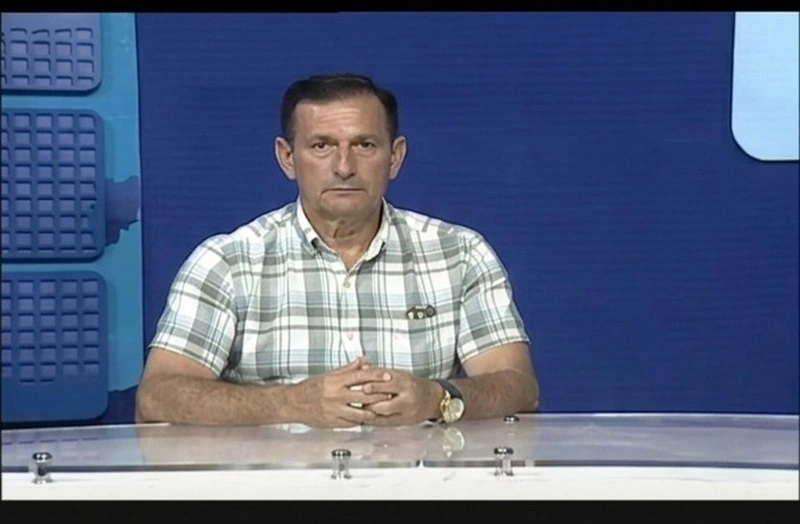
Norge Silva Batista, Director of the Provincial Budgeted Unit for Funeral Services, does not use the term “blockade” as an abstract justification. Also as a reality that affects the engine of every hearse and the availability of every bag of cement.
Funeral logistics in Holguin are a daily challenge of mathematics and willpower. With an average of 35 deaths per day, the demand far exceeds the current technical capacity.
“We have horse-drawn carriages that are out of service after more than 20 years of operation,” Silva explains. “The inability to import parts and components due to the blockade prevents us from putting them back into service.”
This lack of spare parts is compounded by the energy crisis. In the provincial capital. With the flow of carriages is constant—sometimes up to nine trips to other municipalities in a single day—leaving the capital with a minimal number of vehicles available. Faced with this situation, the strategy has been integration: the Communist Party of Cuba and the government have provided economic support. Guaranteeing fuel so that families’ suffering is not prolonged by endless waiting.
Far from standing idly by, the province is investing in alternative services to optimize the fuel available for long-distance travel. Contracts have been established with carriage drivers in remote areas and municipal capitals for short trips.
In areas like Urbano Noris, electric tricycles are already operating, easing the burden on conventional transportation. According to the director, the goal is to concentrate fuel on inter-municipal transfers. Or those to other provinces, while local logistics rely on these sustainable alternatives.
However, it’s not all about material shortages. Silva Batista emphasizes that the lack of resources cannot be a breeding ground for poor service. The provincial director acknowledges that he has personally visited families affected by delays. To offer apologies and condolences, stressing that courtesy is the worker’s first duty.
“We are fighting against negative attitudes,” he affirms. The role of the coordinator at the funeral home is key: the strict order of arrival of the death certificate must prevail. “You can’t skip the order because of a friendship or a phone call. That’s part of respect and the decency of a human being.”
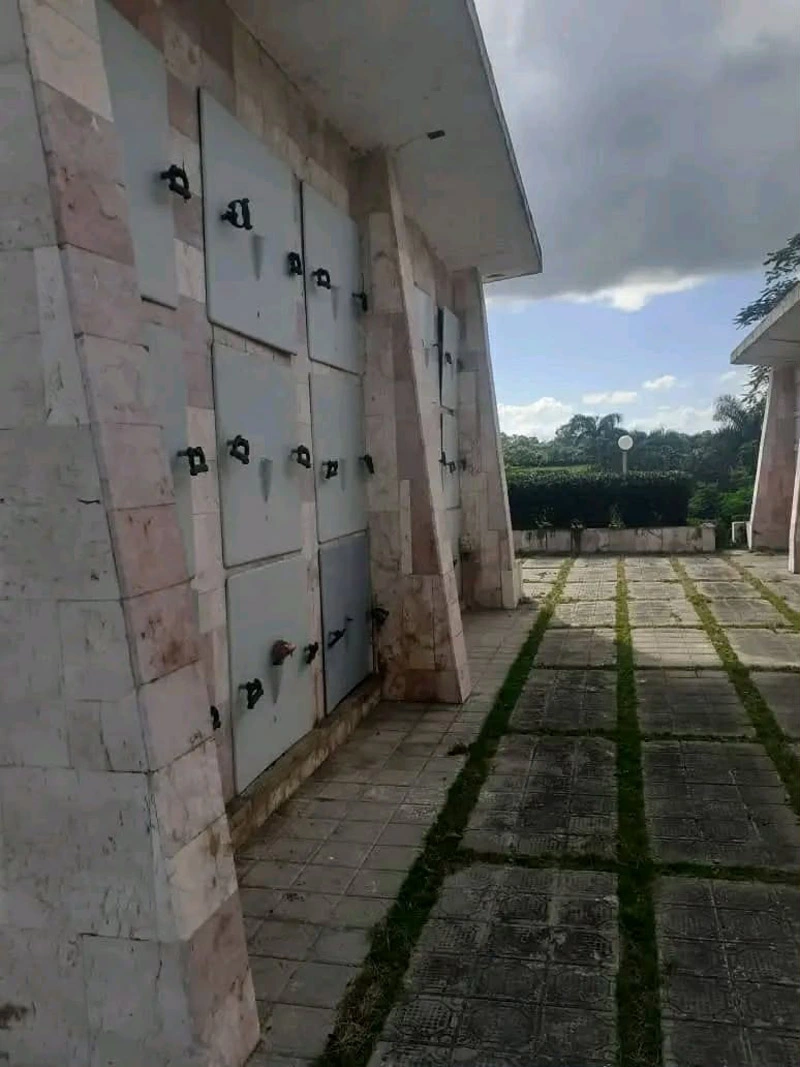
Also the accumulated deterioration of the province’s 102 cemeteries is another open wound caused by the lack of steel and cement. However, the plan for 2026 is ambitious and seeks to reverse the capacity deficit.
This year, the construction of 3,600 new vaults and niches and approximately 8,000 ossuary spaces is planned. This construction effort will allow the exhumation plan to be fulfilled and ensure that every resident of Holguin has a dignified place in the cemetery.
Despite the limitations imposed by the external blockade, the will of the funeral service workers in Holguin remains steadfast. The challenge remains the same: to transform scarcity into efficient management and ensure that. In the most difficult moment, dignity prevails over any deficiency.
The death of a loved one is, perhaps, the moment of greatest vulnerability for any human being. At that moment, the efficiency of funeral services is not measured solely in logistics or numbers, but in dignity. Therefore, Batista’s recent statements invite reflection that transcends the administrative to delve into the ethical and social realms.
It is no secret, and it would be irresponsible to omit it, that the United States blockade against Cuba casts a long shadow over this service. When we speak of hearses immobilized for lack of parts after more than two decades of use. Or of the shortage of cement and steel to expand cemeteries. We are talking about a direct impact on the spiritual peace of families. It is a siege that not only attempts to strangle the economy, but also attacks the right to a dignified eternal rest.
By: Daimy Peña Guillén

- UHo Participates in the 16th RED-DEES Meeting in Uruguay - 23 de October de 2026
- Jorge Gómez: 47 Years Behind the Wheel at Radio Angulo - 22 de October de 2026
- Cuba Begins Its Journey Toward the U-18 Baseball World Cup in the Dominican Republic - 22 de October de 2026