

The way we approach the start of a new year can determine the quality of our emotional well-being in the follow months. Expectations, social noise, and the pressure to start off well can become sources of stress. If they aren’t addressed from a realistic and evidence-based perspective. In this article, I aim to offer you practical strategies for starting 2026 with harmony and resources to face any challenges that may arise. I’ll also discuss key aspects of mental health and what actions we can take to strengthen it in this new year.
The importance of taking care of our mental health has never been more evident. The world today presents increasingly complex scenarios. We Cubans are living in a very precarious context. With many economic difficulties, shortages, inflation, a lack of essential medicines, power outages, water supply problems. In short, we face all kinds of difficulties that make daily life increasingly overwhelming. Of course, this negatively impacts our emotional stability and quality of life.
What is mental health? Mental health influences how we think, feel, and act. It is not simply the absence of mental disorders. It is a state in which people feel capable of coping with life’s difficulties, maintaining satisfying relationships, working productively, and enjoying activities that bring them meaning and joy. The World Health Organization (WHO) defines it as “a state of well-being in which each individual realizes his or her potential, can cope with the normal stresses of life, work productively, and make a contribution to his or her community.” Therefore, it requires ongoing care and attention.
Mental health is composed of several interacting elements. Understanding them helps us identify which aspects we need to improve to maintain emotional balance.
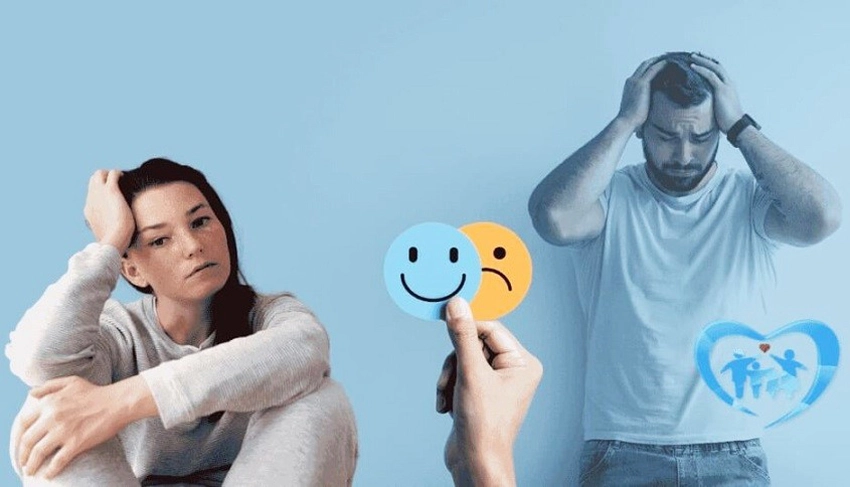
- Emotions and feelings: The ability to manage our emotions, such as joy, sadness, anger, or fear, and express them in a healthy way.
- Thoughts and beliefs: Thought patterns influence how we interpret situations and our self-esteem.
- Social relationships: The quality of our relationships with family, friends, work, and community significantly impacts our emotional well-being.
- Coping skills: The ability to manage stress, adversity, and change adaptively.
- Sense of purpose: Having goals, clear values, and a sense of belonging contributes to a full and satisfying life.
Below are some recommendations that can help you strengthen your mental health:
-
Practice daily self-care
Dedicate time to activities that comfort you and make you feel good. Such as walking, reading, listening to music, or practicing a hobby. Self-care helps reduce stress and maintain stability. It is fundamental for good physical and emotional health. It consists of dedicating time and attention to activities that promote your well-being, prevent burnout. So allow you to face responsibilities with greater clarity and energy.
Some ways to practice it include: getting enough sleep, maintaining a balanced diet, exercising regularly. Avoiding excessive commitments that can lead to exhaustion, maintaining good personal hygiene, creating moments of tranquility and reflection. Disconnecting from technology for certain periods, and allowing yourself to rest without guilt.
-
Maintain healthy social relationships
Contact with family, friends, and our community is fundamental. Foster supportive relationships, share your feelings, and seek help when you need it. Human connections protect against loneliness and depression. Providing support, understanding, and a sense of belonging—all essential for facing the challenges of human existence.
To achieve this, it’s important to cultivate effective communication skills, actively listen, and express our emotions respectfully and sincerely. It also involves setting healthy boundaries. Learning to say no when necessary, and respecting the boundaries of others. Fostering relationships based on trust, mutual respect, and empathy helps strengthen bonds and reduce feelings of loneliness or isolation.
-
Manage stress effectively
Learn deep breathing techniques, relaxation methods, mindfulness, meditation, or yoga. Practicing slow, deep abdominal breathing helps activate the parasympathetic nervous system, reducing anxiety. Mindfulness meditation involves dedicating a few minutes each day to focusing your attention on the present. In which helps decrease negative thoughts and feelings of overwhelm.
Meanwhile, physical activity releases endorphins, neurotransmitters that improve mood and reduce stress. Intense exercise isn’t necessary: walking, yoga, swimming, or dancing are excellent options. Furthermore, organization and time management are fundamental principles. Prioritize tasks, identify what’s most important or urgent, and delegate or postpone what’s less relevant. To help you plan, I suggest using planners or apps to organize activities and avoid last-minute stress.
Managing stress effectively doesn’t mean eliminating it completely. But rather learning to cope with it and reduce its negative impact. When stress becomes overwhelming, persistent, or interferes with daily life, it’s advisable to seek help from a mental health professional.
-
Take care of your body
A balanced diet, regular exercise, and sufficient rest positively influence your emotional state. Physical and mental health are closely linked. Our body is our temple. Taking care of it is essential for being healthy, active, and fulfilled.
Physical activity helps strengthen muscles, improve circulation, and maintain a healthy weight. Find a routine you enjoy, whether it’s walking, running, or swimming. Exercise at least three or four times a week. Proper hydration is another important point. Water is essential for the proper functioning of all the body’s organs and systems.
Drink at least eight glasses of water a day, and increase your intake if you engage in intense physical activity or if it’s hot. Keep in mind that rest is fundamental for the recovery of both body and mind. Try to sleep eight hours each night and establish regular bedtimes and wake-up times. Quality sleep improves your immune system and your mood.
Emotional well-being is also part of taking care of your body. Dedicate time to activities that relax you and make you happy. Such as meditation, reading, listening to music, taking walks in pleasant places, or spending time with loved ones.
-
Healthy Lifestyle
Another point to prioritize is avoiding harmful habits. Reduce or eliminate your consumption of tobacco, alcohol, and other harmful substances. As they can affect your health in the short, medium, and long term. It has been shown that the consumption of alcohol, caffeine, and other drugs worsens stress and generates states of anxiety and depression.
Taking care of your body requires commitment and consistency. But the benefits are enormous: more energy, a better mood, disease prevention, and a longer, higher-quality life. Remember that every small step counts on the path to a healthy lifestyle.
-
Practice Gratitude and Positive Thinking
Dedicate a few minutes each day to recognizing the good things you have and focusing on positive aspects. This helps improve your perspective and reduce negative thoughts.
-
Seek professional help if you need it
If you experience persistent symptoms of anxiety, sadness, stress, or difficulty coping with life, don’t hesitate to consult a specialist who can offer personalized strategies and emotional support. Psychotherapy, medication, or a combination of both can be very effective.
-
Set goals and find meaning
Find activities that give you purpose and meaning, whether through work, volunteering, hobbies, entertainment, or meaningful relationships. Having a purpose helps maintain motivation and resilience.\
-
Practice self-compassion
Self-compassion is a form of emotional intelligence that involves understanding and being kind to yourself in the face of any mistakes or shortcomings you may have. It is the desire to soothe your suffering, as opposed to punishing yourself. It means recognizing your achievements and accepting your limitations.
Incorporating these small habits into your daily routine can make a big difference to your overall well-being. Helping you stay balanced, resilient, and motivated to face everyday challenges. Improving our mental health by 2026 is a commitment that requires conscious attention and daily action.
Self-compassion is compassion directed toward oneself. It involves being understanding and warm. Reducing self-criticism when we feel bad or make mistakes.


- Muscle dysmorphia: the obsession with body perfection - 2 de March de 2026
- Personality Disorders: Understanding to Support and Accompany - 25 de February de 2026
- A Guide to Improving Our Mental Health - 16 de January de 2026