
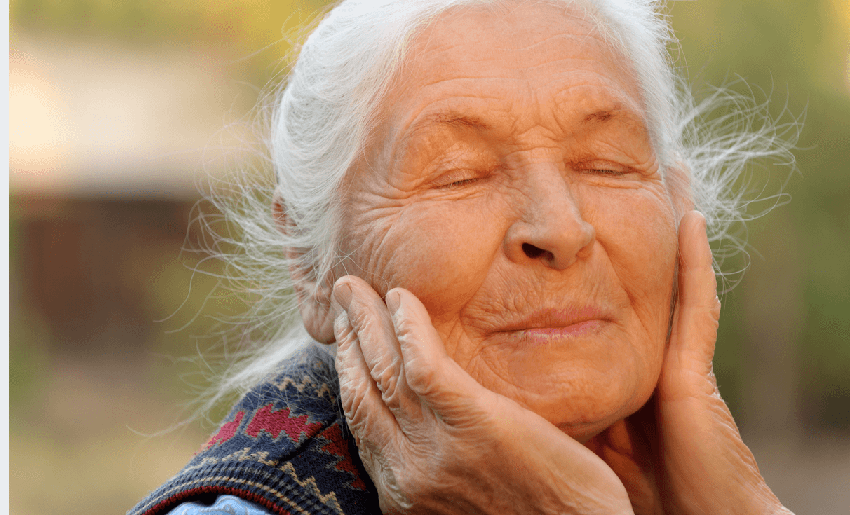
Growing old seems almost like a mistake. Wrinkles are treated as flaws to be erased, gray hair as signs of defeat, and years as an enemy to be vanquished. But the real problem isn’t the passage of time. But rather the way society views old age: with condescension, fear, or indifference.
Stereotypes about old age are so normalized that they are often never questioned. It’s assumed that an older person can no longer learn new things. That they don’t understand technology, that their social role has ended.
They are called “grandparents,” even when they aren’t, as if age erases their individual identity. All of this, though it may seem harmless, has a profound effect on their mental and emotional health.
Many older adults end up internalizing these prejudices. They stop feeling useful, they isolate themselves, or they believe their opinion no longer matters. Loss of self-esteem, feelings of loneliness, and depression are direct consequences of a culture that associates worth with productivity and physical beauty.
According to various studies, those who face age stigma show more symptoms of anxiety and a more rapid decline in their emotional well-being.
Old age should not be seen as an end, but as another stage of growth, with wisdom, calm, and freedom. But for that to happen, society has to break the mold. “Respect for the elderly” campaigns are not enough. We need to actively include them, listen to them, make them visible in the media without resorting to clichés, and above all, stop treating them as a burden.
Because we will all get there sooner or later. And it will depend on what we do today whether we age with dignity or with fear of a world that turns its back on us because we have gray hair.
By: Indira Vania López Samé

- Holguin Health Sector Strengthens Ties with Adolescents and Youth - 1 de October de 2026
- Trump’s measures against Cuba: another step toward strangulation - 1 de October de 2026
- Cuba prioritizes respect and care for older adults - 1 de October de 2026