
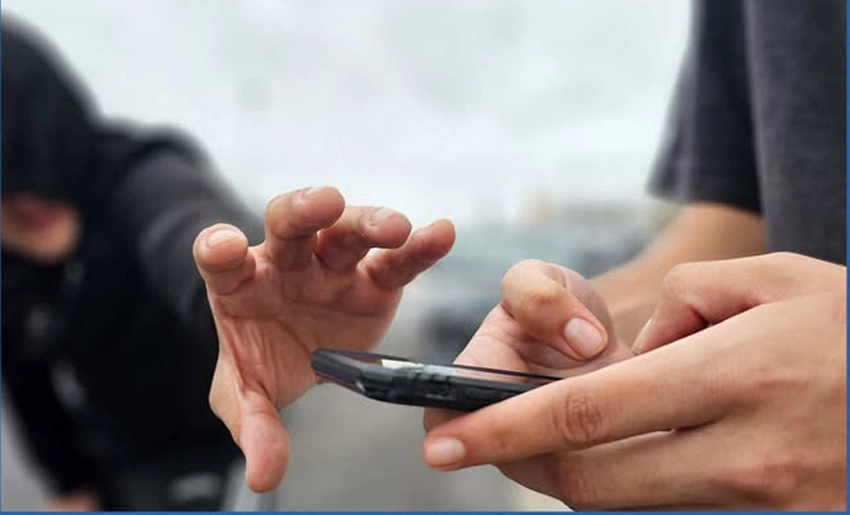
In Holguin, as in other Cuban cities, a concern is growing that can no longer be ignored. The perception that violent and criminal acts have become more frequent and visible. Murders, assaults, robberies, physical attacks, and reports of the theft of solar panels or vehicles are situations that alarm the population. Also undermine one of the essential foundations of social coexistence: public safety.
This is not merely a matter of statistics or isolated incidents. Each event has an impact that extends far beyond its direct victims. A family worrying about a relative returning home late, an individual avoiding going out at night. A worker altering their daily routine, or a driver wary of picking up passengers—all are signs of a society beginning to feel vulnerable.
Dark streets, prolonged power outages, and the deterioration of certain public spaces exacerbate this sense of insecurity. When lighting is absent, surveillance diminishes, and essential services are disrupted. This creates more opportunities for crime while reducing the possibility of an immediate response. The economic crisis—compounded over the last two years by sanctions from the Washington government. Also takes its toll: the rising cost of living, shortages, and a sense of hopelessness can become factors that foster violent behavior, though they never justify it.
It must be stated clearly: poverty does not automatically turn someone into a criminal, nor do all those facing hardship react with violence. Criminal responsibility is individual. However, a society subjected for too long to deprivation, tension, and a lack of future prospects requires public policies capable of addressing root causes, preventing conflict, and protecting its citizens.
The response cannot be limited to taking action only after incidents have already occurred. A preventive presence is needed in the most vulnerable areas. Along with better lighting, attention to neighborhoods, the restoration of public spaces. Oversight of the sale and consumption of alcohol, effective protection for public transport, and reliable channels for reporting crimes. It is also necessary for the authorities to provide timely information regarding criminal acts that disrupt public peace. Without resorting to alarmism, yet without downplaying the concerns of the public.
Public safety is not solely a task for the police. Families, schools, community organizations, the media, and social institutions must all contribute to restoring norms of coexistence, respect, and solidarity. However, this shared responsibility must not be used as a pretext to shift the burden onto the citizenry. It remains the State’s duty to continue guaranteeing the fundamental conditions for protection, investigation, and justice that have characterized Cuban society over the last six decades.
Moreover in Holguin, people need to be able to walk the streets again without feeling that the night is a threat. Public peace cannot simply be decreed; it must be built through prevention, the exercise of authority, effective services, and the provision of opportunities.
In the face of violence, silence offers no protection. It is essential to report incidents and act quickly. Reporting responsibly, listening to the public, and demanding answers are legitimate ways to defend a peaceful society. Insecurity must not become the “new normal.” The priority must be to restore the confidence of the people of Holguin. Ensuring that living, working, and moving about their city does not mean being exposed to fear on a daily basis.
By: Álvaro Raúl Suárez Leyva

- When Criminal Acts Begin to Alter Daily Life - 15 de November de 2026
- Marrero Assesses Progress of Housing Program in Gibara - 14 de November de 2026
- Holguin Vegetable Canning Industry Seeks New Partnerships - 13 de November de 2026