
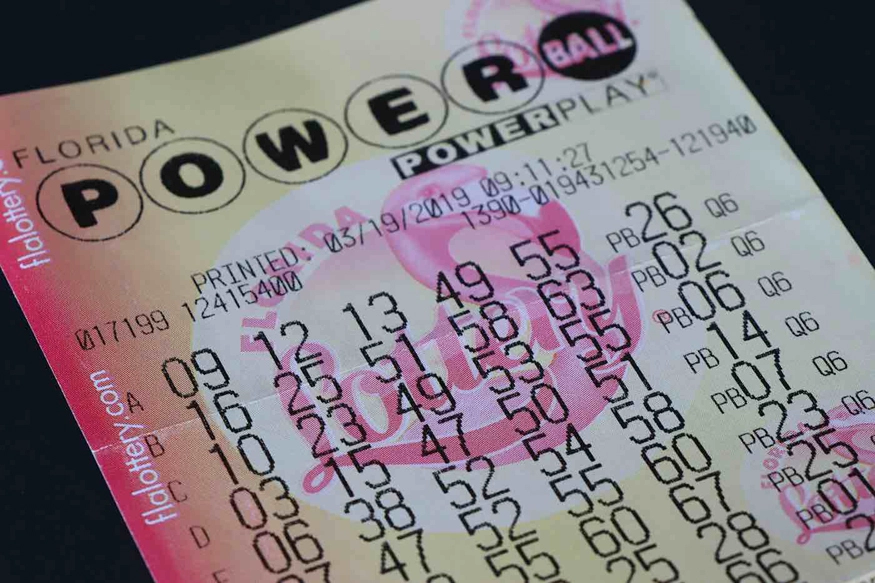
Martha is a university professor, but she’s addicted to betting money on the lottery, or “folio,” as it’s popularly known in Cuban society. She laments losing money, but she can’t control herself and returns to the gambling. Which is illegal in Cuba, but everyone knows where it is and how it works.
Marilyn is an agricultural engineer, but she spends a lot of time selling numbers from one to 100 to earn extra income. Because her professional salary isn’t enough. She leaves her job every day and heads to the gambling den where she’s paid 500 pesos daily. Plus extra money if sales have been good that day. The lottery, known as “bolita,” is governed by the Florida Lottery in the USA.
The lottery, known as “folio,” is so widespread that a peanut vendor used to announce his product. Then announce the number that had come up at 1:35 pm that day. He was as popular for his peanut butter as for his attention-grabbing antics.
Mónica, a mother and neighbor of mine, told me how her son Carlos, an economics student at the University of Holguin, got involved in this gambling game. He would win a few times midweek, but he lost a lot of money. Eventually reaching a sum of more than 80,000 Cuban pesos.
Carlos had to be bailed out by his father, who had to pay off his gambling debts on the condition that he wouldn’t relapse. As he would have to face the consequences, since he was already 21 years old. Luckily, he didn’t gamble again. And the family is more at ease now that Carlos is focused on finishing his university studies.
Gambling addiction can affect people of all ages, from those with little education to professionals. It doesn’t discriminate based on social class or gender.
While losing is worse, winning big is also negative, and that’s the trap of gambling. Hugo, a homemade yogurt vendor, told me the story of a family who once lived comfortably. But whose father’s gambling addiction plunged them into extreme poverty.
When an addict finds himself without money for gambling, he’s capable of selling everything. From basic food staples to valuable family assets, accumulated over generations.
Gisela, another neighbor, told me: “I was addicted and even had a subscription to a lottery (which I played every day). I realized that gambling is losing every day, so I quit. I prefer to spend my money now on eating well,” she explained, convinced that she wouldn’t go back to gambling.
What is gambling addiction?
Gambling addiction is a disorder characterized by a chronic and progressive inability to resist the urge to gamble.
Not everyone who gambles develops an addiction. Just as not everyone who drinks becomes an alcoholic. There are non-addicted people who make problematic use of gambling.
Gambling can take place in physical establishments and in its virtual versions on the internet. Like casinos, sports betting sites, bingo halls. Gambling wreaks havoc on individuals and families.
In recent decades, gambling addiction has been the most frequently treated non-substance addiction in health centers. In cases of pathological gambling or gambling disorder, a certain effect often occurs. A domino effect that impacts all significant areas of a person’s life: relationships and family, school, work, and social life.
Non-substance addictions, such as shopping, gambling, work, internet, and mobile phone use, among others. There are more socially accepted and go more unnoticed than substance addictions.
Why do they keep gambling if they keep losing?
Science has the answer. Gambling addiction, or pathological gambling, is a psychological disorder. Also that arises when gambling becomes an addictive behavior. The brain of the addicted person compels them to keep gambling because they have to recover the money they lost. It’s an investment they want to recoup.
The worst part is the social consequences of gambling addiction. Which brings emotional and psychological problems to all family members: mood swings, anxiety, sadness, irritability, feelings of guilt, shame, insomnia. As well as the deterioration of family dynamics and affection.
What can be done to address gambling addiction?
The best course of action is to never gamble. It’s better. Why choose a sport or go to the gym instead of gambling, where you lose money every day?
An acquaintance, very successful in the business world, told me about the dangers of winning the illegal lottery in Cuba. “The bank laughs at you because it knows that the success you had in guessing the winning number will turn you into a gambling addict. If you don’t learn to control yourself and return that money to the one that pays out the winners.” Argued Yulis Antonio, now a successful businessman in the world of micro, small, and medium-sized enterprises (MSMEs) in the city of Holguin.
The so-called “lottery bank” always wins, so why keep trying to squeeze water from a well that’s dry for the gambler?
The best thing to do is seek help if you see that a friend or family member has developed a gambling addiction in order to find the right solution. Remember that in the world of chance, winning is dangerous. Because with the first success, you begin your path to becoming an addict, and addictions never lead to personal happiness.
Editor’s note: The real names of the people involved in this report have been changed at their request or to protect the sources consulted by the journalist.

- Friendship is a soul that inhabits two bodies - 14 de October de 2026
- The Phobia of Tuesday 13th: Religion, History, and Tradition - 13 de October de 2026
- Time Will Determine Where We End Up - 29 de September de 2026