
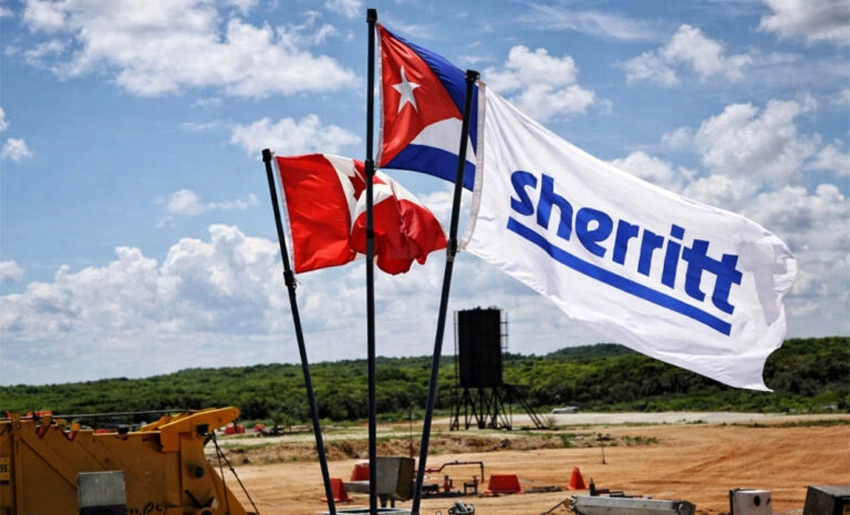
The recent decision by Canadian mining company Sherritt International to reconsider its withdrawal from Cuba. It is, above all, a chronicle of a suffocating blockade, but also evidence of an economic resistance that refuses to be erased from the map.
What seemed like a capitulation announced on May 15th has now revealed itself as a tense waiting game. Fraught with contradictions and external pressures.
The Toronto-based company admitted in its official statement that it has halted dissolution proceedings. After receiving a “potential opportunity to preserve value.” This is no coincidence. Although Washington’s financial pressure, intensified by Donald Trump’s Executive Order on May 1st. Forced Sherritt to suspend its direct involvement in operations and repatriate employees, the company has not managed. Or has not wanted—to sever the umbilical cord that has bound it to the island for 32 years.
The reason is simple: Cuban nickel remains a strategic asset. And the production facilities built in Moa cannot be dismantled with a simple stock market announcement.
Context is crucial to understanding this about-face. The United States government, in its escalation of unilateral coercive measures, directly sanctioned Moa Nickel. The joint venture between Sherritt and the General Nickel Company. This economic aggression not only seeks to paralyze one of the country’s main sources of foreign currency. Also sends an intimidating message to any foreign investor who dares to maintain ties with Cuba.
Moreover the effect of this blow was immediate and brutal within the corporation. The mass resignation of the chairman of the board, the chief financial officer. And the external auditor from Deloitte, following the announcement of the withdrawal, is significant. It reveals the paralyzing fear of the U.S. financial system and the “paralyzing effect” that the embargo has on the legal and accounting structures of multinational corporations. No one wants to be accused of violating the White House’s web of sanctions.
However, Sherritt’s “turnaround” should not be interpreted as a complete triumph or an act of entrepreneurial courage. The company maintains the suspension of its direct participation. In other words, as of today, the mining company is neither actively operating nor capitalizing the joint venture. It is in a legal and operational limbo, searching for a formula that will allow it to preserve its interests without being crushed by the financial persecution of Marco Rubio and the hawks in Washington.
For Cuba, this event reaffirms the need to consolidate economic sovereignty and seek partners willing to challenge the genocidal economic, commercial, and financial embargo. Although Sherritt’s situation is precarious—its shares have plummeted and its governance is fragmented. The fact that it hasn’t dissolved is a sign that opportunities in our country still hold sway against imperial threats.
The Cuban people, accustomed to navigating the storm of sanctions, watch. They know that as long as a single measure impedes free trade. Any “opportunity to preserve value” will always be fragile and held hostage by the dictates of U.S. foreign policy. Sherritt’s story confirms that the blockade is a boomerang that wounds Cuba, but also leaves those forced to comply reeling.
By: Daimy Peña Guillén

- Holguin Honors Victims of the Barbados Bombing - 6 de October de 2026
- Gratitude Project: A Community Support Initiative in Antilla (+ Photos) - 6 de October de 2026
- PNR in Holguin Tackles Criminal Activity - 6 de October de 2026