
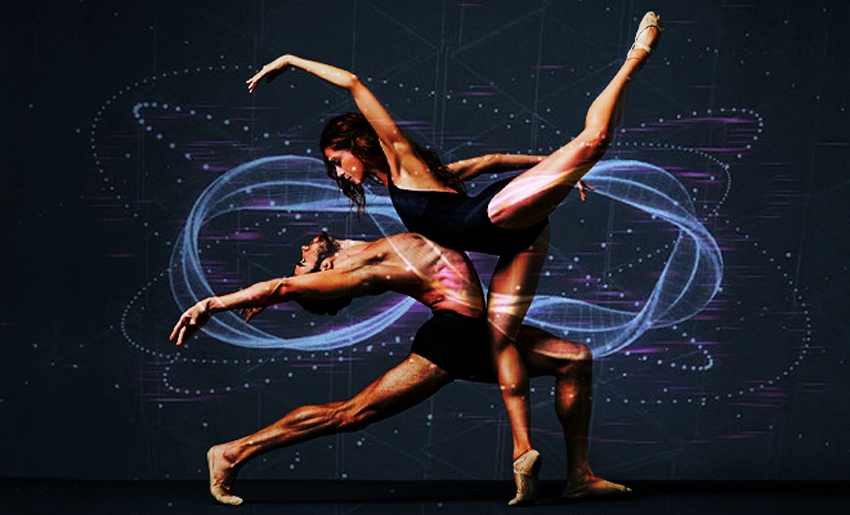
Every April 29th, International Dance Day is celebrated. A date that invites us to look at the art of movement beyond the stage. Why a day for dance?
The commemoration was established in 1982 by the International Dance Council, an organization linked to UNESCO. In honor of the birth of Jean-Georges Noverre, considered one of the great reformers of classical ballet. The intention was not only to commemorate, but also to highlight dance as a universal form of expression. Capable of transcending languages, borders, and social contexts.
Moreover the ways of commemorating this day vary from country to country, but they share the same spirit: bringing dance closer to people. In European cities, professional companies offer open performances or classes. In Latin America, it is common to see interventions in public spaces, community festivals, and school presentations.
Furthermore in Asian countries, ancestral traditions are combined with contemporary expressions. Showcasing the cultural diversity that resides in every movement. In this sense, dance is no longer confined to theaters and academies, but now occupies streets, plazas, and cultural centers.
Beyond its artistic merit, dance has a direct impact on health. On a physical level, it improves coordination. Strengthens muscles, increases cardiovascular endurance, and promotes mobility.
Also its benefits extend beyond the body: it also influences mental health. Dancing reduces stress, stimulates the release of endorphins, and contributes to improving mood. Furthermore, it serves as a means of emotional expression. Especially valuable in contexts where words fall short.
In times marked by mental overload and emotional disconnection. Dance emerges as an accessible and profoundly human tool. It requires nothing more than the body and the willingness to move.
Keeping this art alive is not only the responsibility of those who practice it professionally. It involves recognizing its value in education. Promoting its teaching, and guaranteeing spaces where it can flourish. Because when dance is lost, it is not just a technique or a tradition that disappears. An essential way of communicating who we are without words is weakened.
By: Indira Vania López Samé

- Putin states that BRICS has generated over 40 percent of global GDP - 12 de September de 2026
- Between the wind of the tenths and bottled art - 12 de September de 2026
- ETECSA Holguin Hosts Science and Technology Forum - 12 de September de 2026