
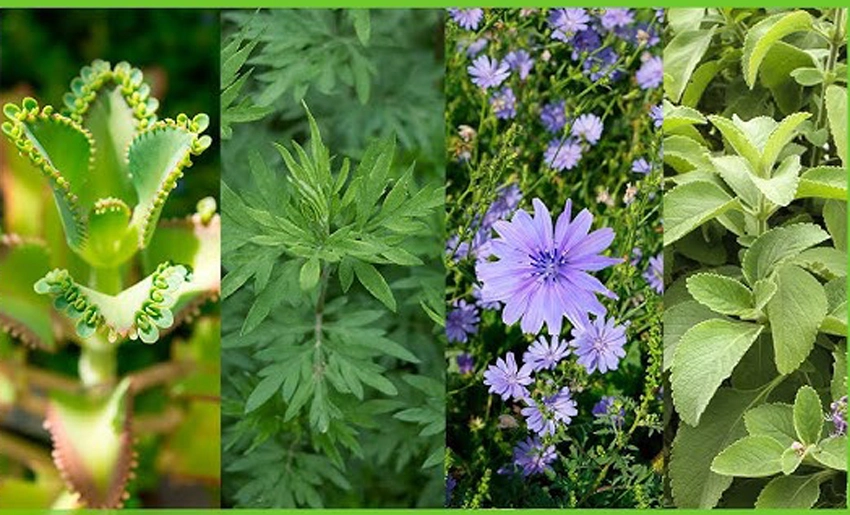
Every March 3rd, the environmental calendar shakes us out of our inertia. World Wildlife Day is not just a date; it’s a reminder that we are part of a living web. This year, 2026, the global spotlight is on medicinal and aromatic plants. A topic that resonates powerfully in Cuba—a land of ancestral knowledge and natural medicine.
Innovation with its Feet on the Ground
In Holguin, biodiversity protection is not just a statement of intent, but a technical roadmap. With the Ministry of Science, Technology and Environment (CITMA) at the forefront. The province is currently promoting more than 50 science and innovation projects that permeate every corner of the territory like a vital axis.
It’s not about conservation for conservation’s sake. In a complex economic scenario, Holguin’s approach focuses on the intelligent management of resources. In this sense, sustainable development in the mountains is prioritized. With projects that protect the ecosystem while improving the quality of life for rural communities.
This strategy aligns with Cuba’s commitment to Food Sovereignty through the introduction of improved seeds and soil-friendly practices. Linking the Cuban table with the health of the land.
“Those who feel nature have the duty to love it,” José Martí declared. In Holguin, that love translates into scientific rigor. The province is distinguished by a unique element in the country. Its Technical Advisory Council. This body ensures that every research project—from the utilization of local flora to climate change mitigation—has solid innovative backing.
Results on the Front Lines of Defense
In practice, this strategy translates into the recovery of our coasts. Holguin reaches 2026 with an extraordinary milestone: the restoration of 98% of its mangroves. Representing more than 17,000 hectares of protected living barriers. In vulnerable municipalities like Gibara and Moa, protecting life is a community movement.
There, the youth-led Ecoarte project, along with the strategic relocation of homes to safer areas. It demonstrates that adaptation is now our greatest guarantee of survival. The commitment to the unique flora and fauna of eastern Cuba has been reinforced. With the consolidation of new natural treasures. The approval of the Cerro Galano Natural Reserve and the Ceja de Melones Floristic Reserve strengthens a biological corridor where unique species. Such as the dwarf cactus and the Melocactus holguinensis, are monitored.
Likewise, in the historic Sierra Cristal National Park, which is celebrating its 95th anniversary. Forest fire management plans have been improved. Achieving almost complete protection of the Nipe-Sagua-Baracoa forests.
Ecosystem protection extends to the Holguin people’s dinner table through conservation agriculture. The introduction of more than 70 varieties of drought-resistant crops—beans, sweet potatoes, and soybeans. It allows for food production without degrading the environment. By applying organic fertilizer techniques, Holguin not only protects its wildlife. Also ensures the resilience of its rural communities in the face of 21st-century climate challenges.
By connecting with this year’s theme on medicinal plants, the province demonstrates that nature is our greatest pharmacy. Fidel Castro’s legacy at the 1992 Earth Summit remains relevant: it’s not about halting development, but about making it compatible with life.
Restoring ecosystems, as dictated by the Kunming-Montreal World Framework, is the safest investment for the future. In every scientific project in the Holguin mountains, there is a conviction that humankind can make nature joyful or sorrowful.
Today, Holguin chooses joy: the joy of a preserved environment where future generations will inherit an island as vibrant as the one we defend today.
By: Daimy Peña Guillén

- Galo Films and ICAIC Sign Distribution Contract for *Mijaín* Film - 2 de October de 2026
- Cuba Now Has Marine Maps Suitable for Various Applications - 2 de October de 2026
- Experts say the future of tourism rests on sustainability and authenticity - 2 de October de 2026