
If the 1961 Literacy Campaign taught us to decipher the letters. There was another crusade—silent, yet of seismic depth. That aimed to teach us to read the soul. It was that of the art instructors: young people who, with backpacks full of dreams and theater as their banner. Ventured across the island to sow sensitivity where before there had only been furrows.
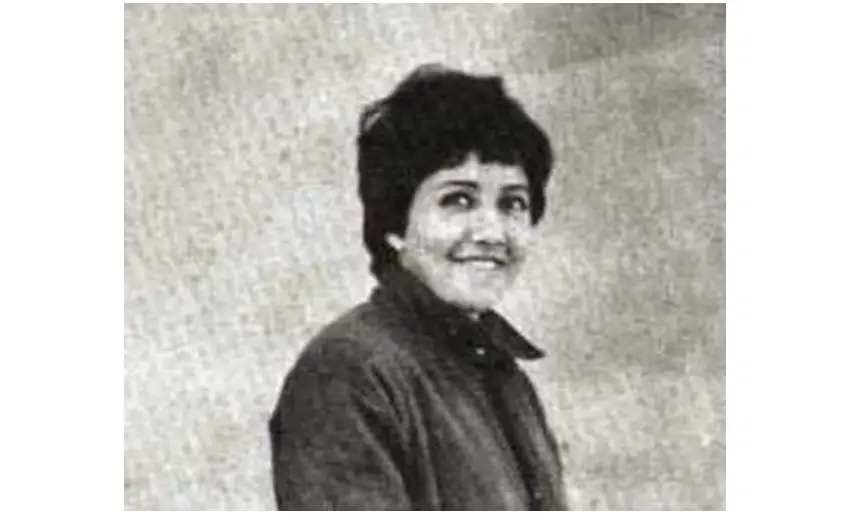
This February 18th, Cuba not only marked a date on the calendar. It celebrated the echo of a brief but incendiary life: that of Olga Alonso. Let’s close our eyes and look at the Escambray Mountains of the early 1960s. It was a world of untamed land and machetes. Where beauty seemed a distant luxury. There, at the “Martyrs of Fomento” farm, a 19-year-old from Havana landed. Deciding that between planting and harvesting. One also had to cultivate dance and poetry.
Olga didn’t go to the hills to “fulfill an assignment”. She went to find the meaning of her existence. She didn’t limit herself to the blackboard. She created the “Ismaelillos” and “Chaplin” groups. Founded field libraries, and taught the peasants that their voices also mattered. But destiny sometimes has a tragic handwriting.
On March 4th, 1964, an overturned tractor on the way to a class took her life. She died with the mud of the vanguard on her boots. For that reason, her birthday is, by right, Art Instructor’s Day.
From Olga’s backpack to today’s Brigade. Six decades later, the spirit of that young woman is not a marble statue. It walks in the shoes of the members of the José Martí Brigade. They are the heirs to that everyday epic that transforms a vacant lot. A school, or a cultural center into a workshop of miracles.
This year, 2026, the event has reignited the spark throughout Cuba. In Santiago, under the motto “Roots that Forge Stories.” The pulse of a community effort that believes in no impossibilities is palpable. In Villa Clara, art has left the institutions to seek out people in their local communities. Also bringing that “spiritual light” so desperately needed in these times.
It’s not just about ceremonies or diplomas. It’s about projects like “Guayacan Negro” in Guantanamo or “Changüiseros Unidos”. That demonstrate that when an instructor arrives in a place, local identity is strengthened. And the pride of being Cuban regains its vibrancy.
Olga’s mother remembered her as a “dynamic, imaginative, mischievous” young woman. That is precisely the DNA that survives in every young person who today picks up a guitar. Or a script and goes out to find their community.
Because Olga’s seed did not fall on barren ground. It continues to germinate, every February 18th. In that corner of the heart where art and hope join hands.
By: Daimy Peña Guillén

- “Playing for the Argentine National Team was the best thing,” says Messi in farewell - 7 de October de 2026
- Blockade Against Cuba Affects Maternity Ward in Holguin - 7 de October de 2026
- UN High Commissioner Warns of AI Risks - 7 de October de 2026