
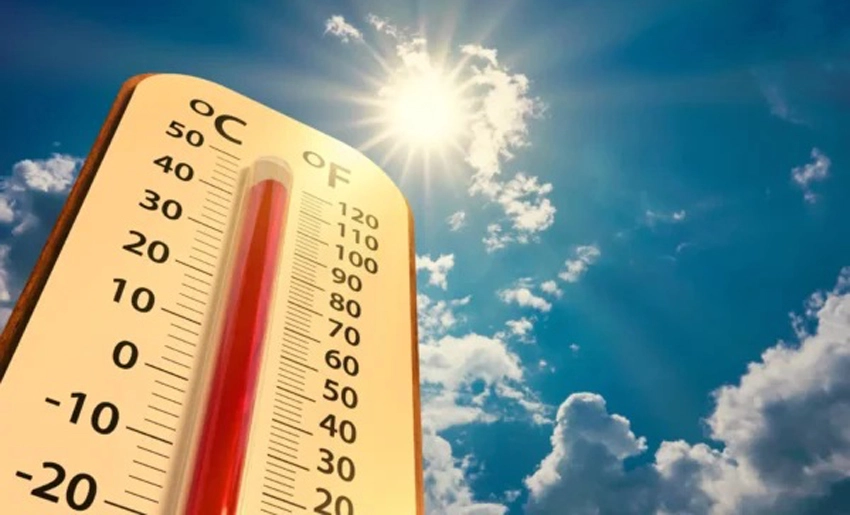
Temperatures above usual values, intense rains, floods and periods of drought are part of a climate scenario that poses new challenges, especially for agriculture.
October, November and December usually mark a transition in weather conditions in many regions of the planet. However, it is increasingly difficult to talk about predictable seasons.
Recent events in different parts of the world show this reality. In Europe, during October, heavy rainfall caused flooding in countries such as the United Kingdom, Ireland, Spain, Greece and Türkiye.
At the same time, other areas of the continent experienced dry conditions and higher than usual temperatures. The Copernicus climate service also reported that October 2026 was the warmest on record worldwide.
Signs of concern are also observed in Latin America and the Caribbean. Climate forecasts for the last months of the year point to temperatures above average in large areas of the continent and an uneven distribution of precipitation.
What does all this mean for agriculture? The consequences can be considerable. Excessive rainfall causes flooding of fields, soil erosion, loss of nutrients and damage to crops.
They also make planting, harvesting and transporting products difficult. On the other hand, high temperatures and lack of rain reduce soil moisture, affect germination and accelerate plant water loss.
Added to this are the alterations in crop cycles. When temperatures change unexpectedly, certain plants may bloom prematurely or fail to develop properly.
The result can be decreased yields and greater economic losses for producers.
Against this backdrop, agriculture needs to adapt. Improve irrigation and drainage systems, protect soils, diversify crops, use varieties resistant to certain climatic conditions and pay attention to weather forecasts.
Climate has always influenced harvests, but the current challenge is facing increasingly variable and unpredictable conditions.
Because when rain destroys a crop or a drought reduces production, its consequences do not end in the field. They also reach markets, homes and the availability of food, in general.
Preparing for climate changes therefore means protecting much more than crops. It means protecting the food and economic security of those who depend on the land to live.
By: Indira Vania López Samé

- Pineda, a Coach from Holguin Who Speaks the Language of Modern Baseball - 16 de November de 2026
- Recent Rainfall Benefits Reservoirs in Holguin - 16 de November de 2026
- What is happening with the climate? Extreme temperatures and challenges for agriculture - 16 de November de 2026