
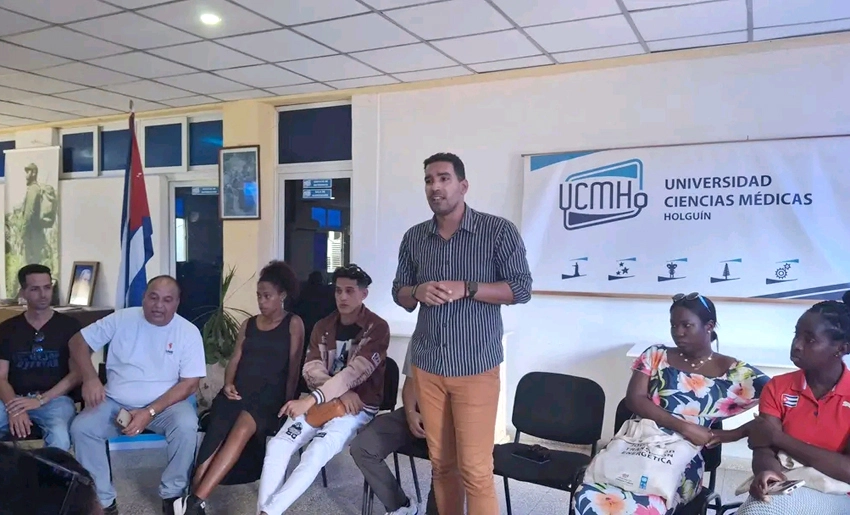
As part of a series of exchange sessions organized by the youth network of the Ministry of Energy and Mines (MINEM). A meeting was held with students from the University of Medical Sciences in Holguin. The discussion focused on the progress and challenges of Cuba’s energy transition. A critical topic for the future daily work of these healthcare professionals-in-training.
During the meeting, members of the network explained that their current outreach initiative is divided into two groups. One traveling from Guantanamo to Mayabeque, and the other from Pinar del Rio to Havana. Their mission includes educating the younger generation on energy-related issues and sharing practical, firsthand experience from the sector.
Regarding power generation, the annual target was 1,000 MW, but 1,400 MW has already been achieved, as reported during the session. Holguin stands out as the province with the highest number of photovoltaic parks in the country. It is nearing the completion of a Battery Energy Storage System (BESS). Furthermore, 40% of the energy consumed in the province is derived from solar panels. According to the provincial director of the Electric Utility Company. Also who highlighted the significant contributions made by young people in the sector.
It was also noted that Holguin contributes 143 MW of solar-generated power to the national electrical grid.
Participants also discussed Decree-Laws 345 and 110. Which pertain to energy resources and offer exemptions from profit taxes for up to eight years, depending on the specific project.
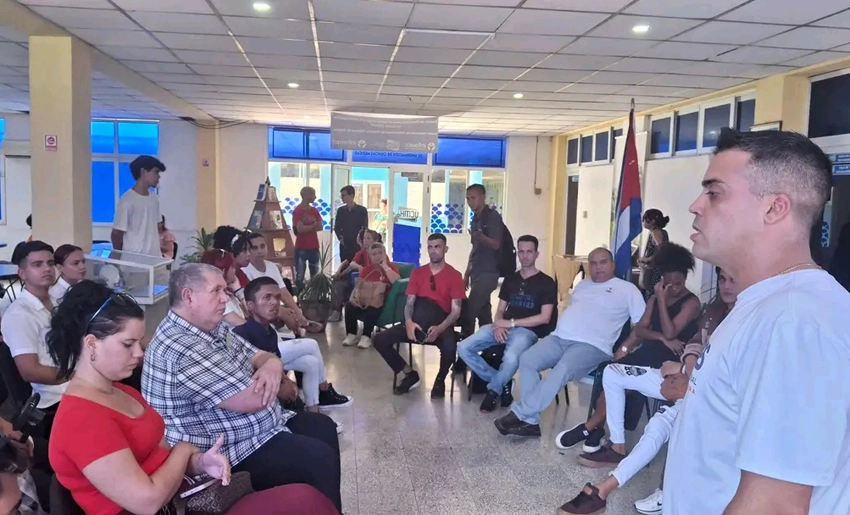
Additionally, it was explained how the blockade has directly impacted the development of battery energy storage systems. The withdrawal of foreign technical support forced Cuban specialists to take on the assembly and commissioning of these facilities through their own efforts. For medical science students, the exchange with young professionals from the Ministry of Energy and Mines (Minem) proved highly valuable for their comprehensive development.
It helped them grasp that an “energy culture”, an awareness of energy-related issues is integral to their professional practice. Given that hospitals, clinics, and various medical services rely on electricity. Learning about the energy transition, as well as energy conservation and efficiency. It prepares them to better manage resources in their daily work and to act as advocates for an energy-conscious culture within their own communities.
By: Daimy Peña Guillén

- MINEM Youth Engage in Exchange with Medical Sciences Students in Holguin - 12 de November de 2026
- Cuba and China Explore New Opportunities for Commercial Cooperation - 12 de November de 2026
- Investments in the Water Sector Advance in Holguin - 12 de November de 2026