
For years, climate change was presented as an environmental problem related to the melting of the polar ice caps, rising sea levels, and the loss of biodiversity.
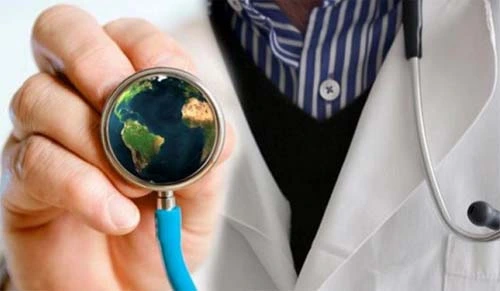
However, its consequences are no longer limited to ecosystems. Today, there is an increasingly evident reality. Climate change is also a public health crisis that directly affects the quality of life of millions of people.
It’s important to remember that climate change refers to the long-term alterations in the planet’s temperatures and weather patterns. Caused primarily by human activities such as the burning of fossil fuels, deforestation, and pollution.
These transformations have increased the frequency and intensity of phenomena. Such as heat waves, droughts, floods, and extreme storms, whose effects extend far beyond material damage.
Also the impacts on human health are diverse. High temperatures increase the risk of dehydration, heatstroke, and cardiovascular diseases. Especially in children, the elderly, and people with chronic conditions.
At the same time, the deterioration of air quality exacerbates respiratory problems such as asthma and other lung diseases. Floods and rising temperatures also create favorable conditions for the spread of vector-borne diseases, such as dengue, chikungunya, and Zika.
Climate change also has repercussions on mental health. Uncertainty about the future, the loss of homes due to extreme weather events. And constant worry about environmental degradation can generate anxiety, stress, and feelings of hopelessness.
Faced with this scenario, an inevitable question arises: how can we protect ourselves? While global solutions require public policies and international cooperation, individual and community actions are also possible.
Reducing energy consumption, promoting the use of sustainable transportation, supporting reforestation initiatives, and decreasing waste generation are measures that contribute to mitigating the problem. On a personal level, staying informed, hydrating properly during periods of extreme heat. Following health recommendations in the face of adverse weather events can help reduce risks.
Raising awareness about the relationship between climate change and health is fundamental because many people still perceive the two issues as separate matters. They are not. The quality of the air we breathe, the water we consume, and the environmental conditions in which we live directly influence our well-being. Understanding this connection is the first step toward assuming shared responsibility.
This issue is a present reality that impacts people’s bodies, minds, and quality of life. Ignoring it will not make it disappear. Acting in time, however, can make the difference between adapting to its consequences or suffering them with increasing intensity.
By: Indira Vania López Samé

- Holguin Health Sector Strengthens Ties with Adolescents and Youth - 1 de October de 2026
- Trump’s measures against Cuba: another step toward strangulation - 1 de October de 2026
- Cuba prioritizes respect and care for older adults - 1 de October de 2026