
I heard it in my Philosophy and Political Economy classes at the University of the East: “Wars always have a political pretext, but, in essence, their objective is economic.”
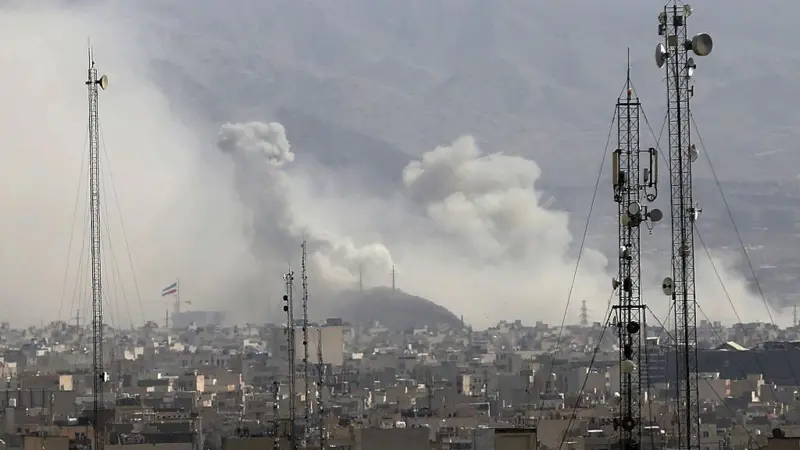
And the current war between the US and Israel against Iran demonstrates this because they are engaged in a conflict, now entering its third month. In a region of the world overflowing with oil.
This conflagration can be described in many ways today, but not as a short-term excursion, as Trump attempted to define it.
Before the start of the bombing of Tehran and other cities of the Islamic Republic. Many observers warned that this dangerous step was like a self-inflicted wound that would be difficult to heal. In other words, that Trump was entering a quagmire from which it would be hard to extricate himself.
It seems the end of the war is proving more complex than he expected. He has been announcing for days the imminence of an agreement between Washington and Tehran. And insists that everything will be resolved in a few weeks.
When Trump announced the temporary ceasefire on April 8th. He spoke of an imminent agreement, even mentioning points that had been agreed upon. So reality did not align with his wishes.
The truce was extended indefinitely with no solution in sight. The day before, Trump lashed out at the Iranian government’s response to his administration’s peace proposal.
Now, Trump himself has stated on his social media that he dislikes the response from Iran’s representatives, finding it unacceptable.
The Iranian press reported this Sunday that negotiators in Tehran had submitted their response to the US peace proposal. Pakistani Prime Minister Shehbaz Sharif also stated that his government had received it.
Other press reports indicated that, within the context of the Trump administration’s proposal. Iran would accept a moratorium on uranium enrichment in exchange for the White House lifting economic sanctions.
Both sides would also lift shipping restrictions. In the Strait of Hormuz, recently the scene of sporadic incidents between Iranian and US forces.
The Iranian offer comes in response to a nine-point US proposal. Amidst diplomatic mediation efforts led by Pakistan.
Moreover the conflict has already left more than 3,000 dead before both sides agreed to pause hostilities. So far there is no firm agreement in sight to end a war that Trump thought would be swift.
While the Iranian side is focused on ending the fighting and a gradual reopening of the waterway. The US, for its part, demands that Tehran cease uranium enrichment. For fear of acquiring nuclear power that would make it untouchable, as happened with North Korea.

- Time Will Determine Where We End Up - 29 de September de 2026
- Journalism: The Great Novel of Daily Writing - 9 de September de 2026
- When Headphone Technology Can Affect Our Health - 9 de September de 2026