
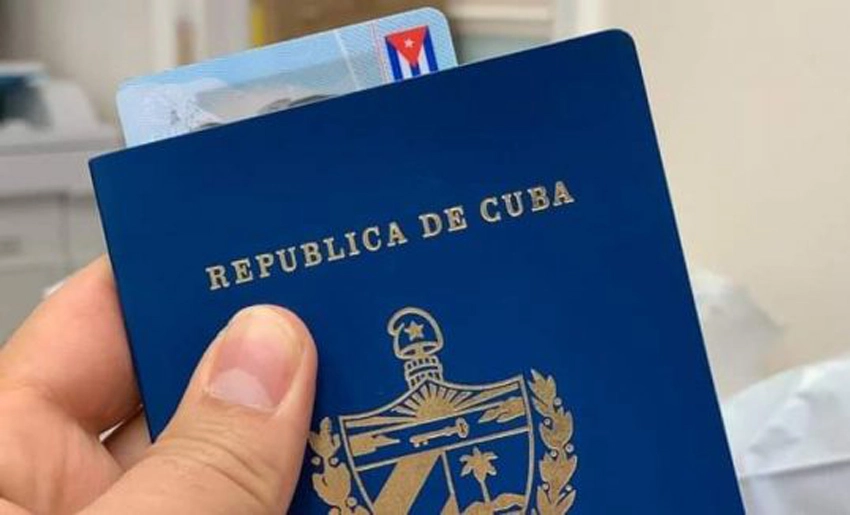
The entry into force on November 1st of Law 171 (Migration), Law 172 (Citizenship), and Law 173 (Foreigners) marks an update to the Cuban legal framework regarding migration.
These regulations, approved by the National Assembly of People’s Power in July 2024 and published in the Official Gazette in May 2026. Govern processes for entry, exit, and residence in the country. As well as the rights and duties related to citizenship and the presence of foreign nationals within the national territory.
Among the key changes is the elimination of the 24-month limit on time spent abroad, which had been established under previous legislation. This means that Cuban citizens may reside outside the country without their absence—in and of itself. Resulting in the loss of their migration or property-related rights.
Furthermore, those living abroad may stay in Cuba without a limit on the duration of their visit and without the need to request extensions.
Another significant change is the introduction of the concept of “effective migration residence.” In general, this is determined by whether an individual has spent more than 180 days in Cuba during the preceding year.
It may also be recognized for those who have spent more than 120 days in the country. Provided they can demonstrate family, professional, economic, or property-related ties to Cuba.
Regarding citizenship, the new legislation establishes that acquiring another nationality does not entail the loss of Cuban citizenship. However, while within the national territory, citizens must identify and act as Cubans—including during entry and exit procedures. For which the requirement to hold a valid Cuban passport remains in effect.
Additionally, for the first time, the procedures for renouncing citizenship and requesting its reinstatement are explicitly regulated. The regulations also introduce an immigration status for “Investors and Businesspeople.” Aimed at Cubans residing abroad who participate in authorized economic activities. Such as investment projects, MSMEs (micro, small, and medium-sized enterprises), and non-agricultural cooperatives.
For foreign nationals, new categories have been established, including provisional and humanitarian residency. The latter intended for individuals requiring special protection due to vulnerability.
However, alongside these changes, certain provisions remain that warrant attention. The legislation outlines circumstances under which authorities may prevent citizens from leaving the country. Or, in exceptional cases, restrict the entry of Cuban citizens.
Furthermore, the Citizenship Law establishes conditions under which an individual may be stripped of their citizenship. For instance, due to specific acts committed from abroad that are deemed contrary to the country’s political, economic, or social interests.
As with any legal update, the scope of these regulations is defined not only by the text of their articles but also by how they are applied. Also by the safeguards available to individuals to exercise their rights and challenge administrative decisions.
The reform opens up new possibilities for family, economic, and property-related ties between Cuba and its citizens living abroad.
At the same time, it raises questions regarding the implementation of certain procedures and the balance between state authority and individual guarantees.
Beyond the legal provisions, a fundamental question remains: to what extent will these changes effectively address the current realities of Cuban mobility and, in practice, strengthen ties with the country?
By: Indira Vania López Samé

- Training of Dermatology Specialists Strengthened in Holguín - 19 de November de 2026
- New Migration Laws in Cuba: Changes, Rights, and Challenges - 19 de November de 2026
- Libraries and Museums: Time Capsules - 18 de November de 2026