
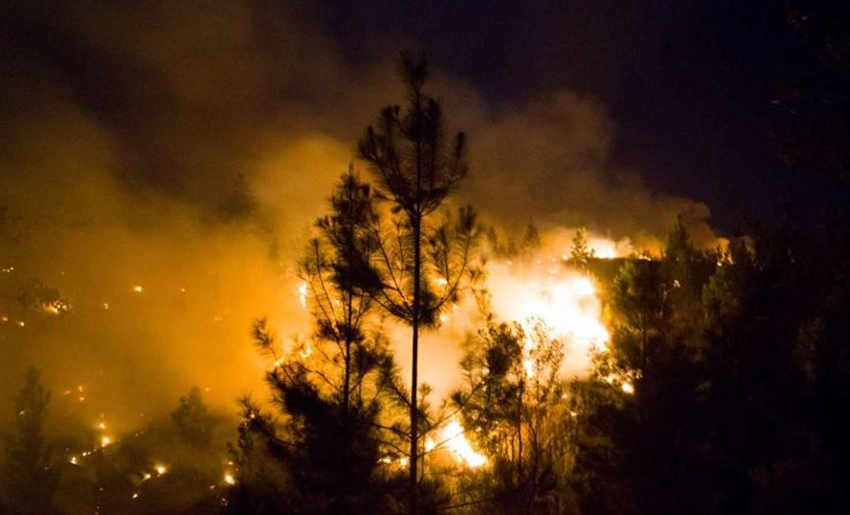
Forest fires pose a threat to ecosystems, biodiversity, and the communities living near forested areas.
In the province of Holguin where such incidents have been recorded in recent years. Prevention has once again become a top priority as the fire season approaches, spanning from January to May. The municipalities of Mayari and Moa are among the areas most exposed to these types of incidents, due to their forest cover.
However, the risk is not limited to those locations. Vigilance and preparedness must be maintained throughout the entire province. Especially when weather conditions favor the spread of fire.
So far this year, 21 incipient forest fires have been recorded in Holguin. According to data provided by the Forest Ranger Corps, these incidents were distributed across several municipalities in the province. Looking ahead, weather forecasts point to drought conditions. Which could increase the vulnerability of forested areas.
Lieutenant Colonel Carlos Rafael Batista Aldaba, head of the Forest Ranger Corps in Holguin province. He explained that the use of technology has helped in detecting fire hotspots in a timely manner.
Monitoring via satellite imagery allows for the observation of conditions in forested areas and the identification of potential fires. He noted that every municipality has centers from which this surveillance is carried out.
Response efforts include the creation of firebreaks, cleared strips of land designed to halt the advance of flames. As well as the deployment of brigades to control and extinguish fire hotspots. Once a fire is brought under control, response teams remain in the area to ensure there are no “hot spots” that could cause the fire to reignite.
However, response capacity is no substitute for prevention. One of the primary objectives of the Forest Ranger Corps is to protect people living in communities near forests and to minimize damage to forest resources.
Currently, there are ongoing outreach programs with schools. Including the establishment of interest groups. Focused on the work of forest rangers particularly in mountainous municipalities.
These initiatives help children and adolescents learn about ecosystems, the risks posed by fire, and the importance of protecting natural resources. Expanding and strengthening these efforts in other municipalities would help foster a greater collective awareness. Involving students, families, and local communities.
Moreover the consequences of a forest fire extend far beyond the destruction of vegetation. Fire leads to the loss of habitats and species, hinders forest regeneration, degrades the soil, and can accelerate erosion. It also disrupts the balance of ecosystems, reduces the land’s ability to retain water, and produces smoke that harms air quality and human health. The recovery of damaged areas can take years.
For this reason, preventing such events is a shared responsibility. Simple actions such as not discarding cigarette butts or lit matches in wooded areas, avoiding the burning of waste or brush. And immediately reporting any smoke or signs of fire can make a significant difference.
Holguin is preparing for a fire season that could be marked by unfavorable weather conditions. While technology, well-trained response teams, and constant vigilance are essential. The protection of our forests also depends on the daily behavior of those who live, work, or travel near them.
When it comes to forest fires, a timely response can prevent major losses. However, preventing fires from starting remains the most effective response. Are we doing enough within our communities and our homes to protect our forests before the next fire season arrives?
By: Indira Vania López Samé

- Forest Fires in Holguin: Prevention Before the Flames Spread - 12 de November de 2026
- China Stands Firm with Cuba Against Blockade, Sanctions, and Interference - 11 de November de 2026
- Holguin Pediatric Hospital Introduces Training in New Specialties - 11 de November de 2026