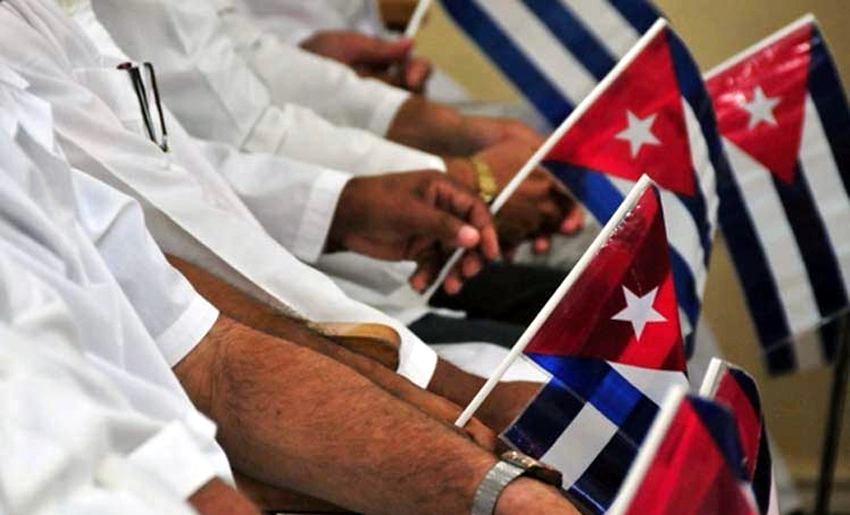
Cuba celebrates 63 years of international medical cooperation today. A fundamental pillar of healthcare in developing countries, especially in Africa and Latin America. This humanitarian effort has been reflected in the deployment of brigades of doctors and healthcare personnel to various nations. Also where their intervention has been crucial in the face of epidemics, natural disasters, and health emergencies.
This remarkable endeavor began on May 23rd, 1963, when, at Fidel Castro’s initiative, the first medical brigade departed for Algeria. Since then, this cooperation has extended to 165 countries with more than 600,000 doctors and specialists.
For more than six decades, the Cuban healthcare system has established a model of international cooperation. That has become emblematic in the fight against inequalities in access to medical services.
Since its creation in 2005, the Henry Reeve International Contingent of Doctors has played a leading role in some of the greatest humanitarian efforts in defense of life. In the face of the devastating effects of natural disasters or epidemic outbreaks such as Ebola (2014-2016) or the fight against COVID-19.
According to figures published by Prensa Latina, 90 brigades have served in 55 countries,. Providing immediate care and saving lives during health crises caused by earthquakes and hurricanes.
Over the years, Cuba has deployed its human resources to places where medical assistance is scarce or almost nonexistent.
This effort has been internationally recognized. Demonstrating our country’s commitment to solidarity and humanitarian aid.
However, this altruistic work has not been without controversy. Recently, attacks have emerged, fueled by a media campaign that seeks to distort and discredit Cuban doctors. Resorting to narratives that question the ethics and working conditions of these professionals.
However, these claims are not only unfounded, but they also ignore the altruistic nature of Cuban medical collaboration.
By questioning the legitimacy and effectiveness of Cuban aid, the lives of many people who depend on this assistance are put at risk. Cuban doctors not only save lives, but they have also contributed to the development of health systems in various regions.
This is not just about material aid, but a profound gesture of solidarity that transcends borders and political differences.
Also the legacy of Cuban medical collaboration is undeniable. Its contribution to global health, especially in vulnerable contexts. It has been recognized on numerous occasions. It is essential that the dedication and sacrifice of these doctors. Also who have demonstrated their commitment and dedication in the face of all kinds of health emergencies, be fairly acknowledged.
- Cuba: Challenges of a Rapidly Aging Society - 2 de October de 2026
- Radio: 36 Years of Creativity and Passion for Gilberto García Acosta - 28 de September de 2026
- Breastfeeding: The Best Start in Life - 7 de August de 2026