
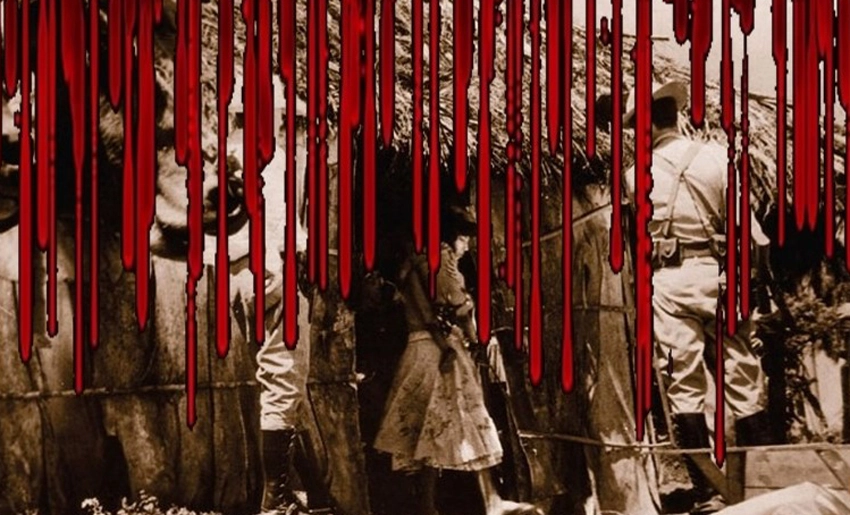
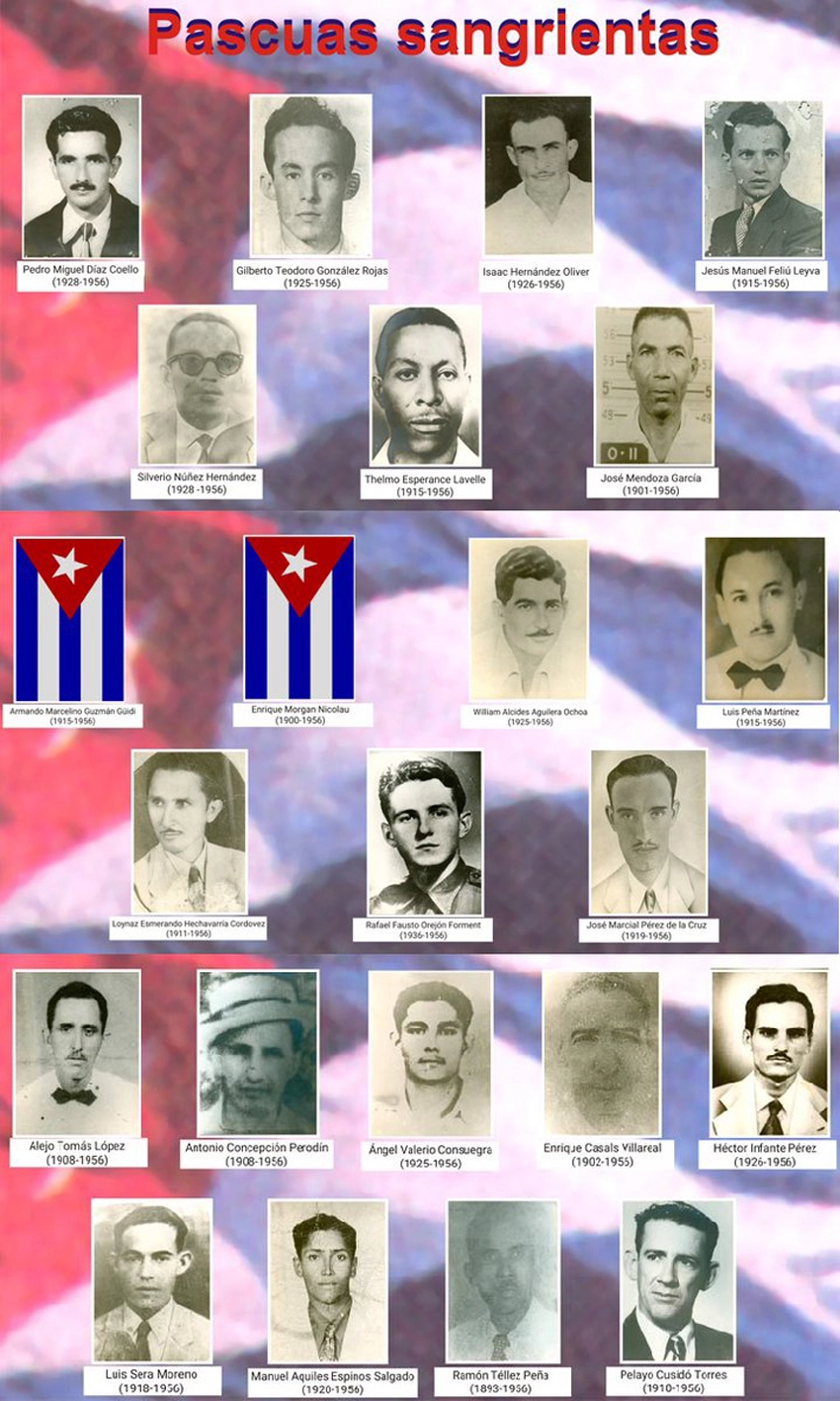
Holguin, December 1956. As the island prepared for Christmas Eve, a chill unlike any other swept through northern Oriente province. It emanated from the barracks, where the sinister “Christmas Gift” ordered by the tyrant Fulgencio Batista was being plotted. Between December 23rd and 26th, a massacre—dubbed “Bloody Christmas” by the people—claimed the lives of 23 young men in what are now the provinces of Holguin and Las Tunas.
The atmosphere was one of heightened tension. Just three weeks earlier, the Granma yacht had landed on Cuban soil. The news, brought to Holguin by 20-year-old Rafael Orejón Forment, ignited hope: Fidel was alive and reorganizing the struggle from the Sierra Maestra. Orejón, head of Action and Sabotage in Nicaro, embodied the joyful spirit of the word “pascua” (Easter). That same youth would become the target.
On the night of December 23rd, at the Nicaro Nickel Company’s guard post, the hunt began. Guard Proenza, who had been watching him since morning, stopped Orejón and shot him in the throat. It was the first act of an extermination operation designed to terrorize the region.
The macabre logic: “Dead people are cheaper.”
According to the testimonies of Batista’s criminals later tried, Colonel Fermín Cowley, head of the regiment in Holguin, was clear in relaying Batista’s orders: “Prisoners cause a lot of trouble… dead people are cheaper.” This directive guided four days of horror. There were no legal arrests or trials. Only extrajudicial executions, torture, and the public desecration of corpses.
Pedro Díaz Coello, head of the 26th of July Movement in Holguin, was hanged from a tree. The autopsy revealed he was already dead. Two of his contacts, Luis Peña and William Aguilera, were stabbed to death and their remains dumped in a stadium. And the labor leader Loynaz Echevarría was found on a road. In Banes, unable to find Mauro Esperance, the henchmen murdered his brother Telmo and abandoned his body in a children’s park.
Also the press of the time, such as the newspaper Norte, attempted to document the carnage: Gilberto González, shot. Enrique Morgan, with a gunshot wound to the head. Héctor Infante and Alejo Tomás, in Delicias. Antonio Concepción, near Gibara.
The list extended to Sagua de Tanamo, Mayari, Antilla, Las Tunas, and Puerto Padre. Many were members of the 26th of July Movement or the Popular Socialist Party. Others, like Pelayo Cusidó, belonged to other organizations or had no known political affiliation, perhaps victims of personal vendettas or unchecked cruelty.
Moreover the regime sought to quell the growing rebellion in a region rife with leaflets, graffiti, and strikes. The blow, brutal for the families, momentarily fractured the organization. However, the operation failed in its central objective. The barbarity, far from sowing fear, fueled indignation and strengthened revolutionary conviction. Also the struggle, as would be remembered, was reignited from the Sierra Maestra mountains and every corner of the country.
Today, the names of those 23 young men are not forgotten. They resonate and inspire in schools, workplaces, and in the collective memory that refuses to forget. Their sacrifice was part of the path that would lead, a little over a year later, to the triumph of the Revolution that would bring justice.
For the history of Holguin, the Bloody Easter is not just a tragic chapter. But a turning point that forged its revolutionary identity. That brutality, far from breaking the spirit of its people, solidified a vow of struggle and resistance that took root in the streets, mountains, and consciences.
Therefore, these young men will not be forgotten: their sacrifice is inscribed in the toponymy of the province. In schools that bear their names, in monuments that speak to memory, and in the living narrative that new generations receive as a legacy of dignity. They are remembered not as passive victims, but as the foundation upon which rebellious Holguin was built. A constant reminder that dedication to social justice is a community’s most enduring legacy.
Finally the Bloody Easter remains a dark chapter of the tyranny. A testament to its desperate cruelty, and at the same time a monument to the courage of a youth who, in times of darkness, chose the light of rebellion.
By: Daimy Peña Guillén

- Holguin Health Sector Strengthens Ties with Adolescents and Youth - 1 de October de 2026
- Trump’s measures against Cuba: another step toward strangulation - 1 de October de 2026
- Cuba prioritizes respect and care for older adults - 1 de October de 2026