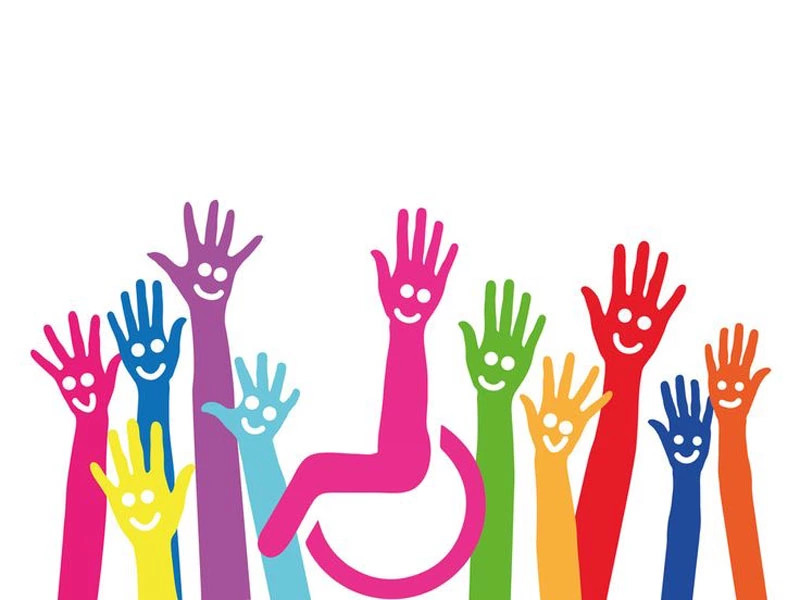
Every December 3rd, the world commemorates the International Day of Persons with Disabilities. A date that transcends symbolism to remind us that inclusion is a fundamental human right.
Disability, far from being an anomaly, is yet another expression of the vast diversity of humanity. Recognizing this is the first step toward genuinely inclusive societies.
In Cuba, this approach has translated into decades of sustained work to build a social fabric that protects and enhances the abilities of all people. Attention to this sector of the population is coordinated through a system. That involves both the State and civil society organizations, with tangible results in terms of inclusion.
The Cuban model is based on robust institutional pillars. The Cuban Association of Physically Disabled People (ACLIFIM) and the National Association of the Blind and Visually Impaired (ANCI) are leading organizations in this regard. They don’t limit themselves to advocating for rights. But also promote rehabilitation programs, job training, and cultural and sporting activities. Empowering their members for full participation.
Moreover the State, for its part, has established legal frameworks to promote greater inclusion of people with disabilities in the workforce. Beyond regulatory compliance, efforts are being made to adapt public spaces. Improve access to education, including specialized instruction, and guarantee comprehensive and free health services.
What is truly remarkable is the philosophy underlying these actions: the conception of the person with a disability as an active agent in their own development and in the social project. Cuban special schools, for example, not only provide educational support, but also prepare their students for independent adult life to the best of their abilities.
Adapted and Paralympic sports are another area where Cuba shines. With athletes who have achieved international acclaim, demonstrating that with opportunities, talent flourishes.
As everywhere, challenges remain. Full urban accessibility is a goal under construction, and the current economic situation imposes limitations. However, the institutional and social commitment seems unwavering. Inclusion is fostered from childhood, in classrooms where coexistence is encouraged. In workplaces that value ability over physical condition.
This December 3rd finds Cuba with a clear roadmap: to continue deepening a model where difference is not a reason for exclusion, but rather for collective enrichment.
Finally the goal is not forced integration, but the natural creation of an environment where everyone, with their diverse abilities, has a place and can contribute. Disability is part of life, and a society that understands this is closer to being just, fulfilling, and truly humane.
- UHo Launches Doctoral School as Part of the International CRISS Project - 15 de October de 2026
- New Holguin schoolchildren join the OPJM (+ Photos) - 8 de October de 2026
- Innovating in Cuba: the talent that produces, saves, and solves - 7 de October de 2026