
The growing aggression of the United States government against Cuba reached its peak. After the proclamation of an energy blockade and the threat of increased tariffs and sanctions. Against those who supply fuel to the archipelago.
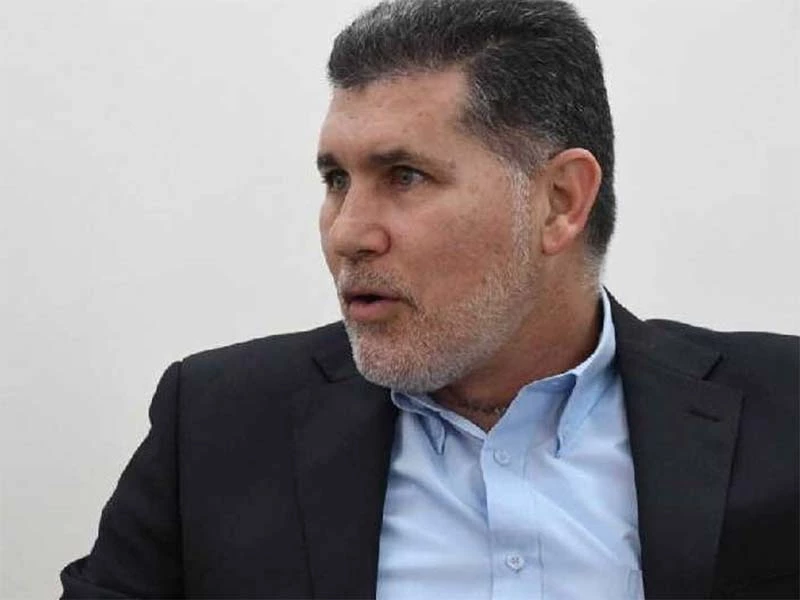
Faced with this adverse scenario, the country adopted a series of actions to guarantee the vitality of its essential services, without sacrificing development. These measures require the effort of everyone. According to Deputy Prime Minister and Minister of Foreign Trade and Foreign Investment, Oscar Pérez-Oliva.
Fuel will be allocated to protecting essential services for the population and to indispensable economic activities. Electricity generation will be sustained with domestic crude oil production, associated gas, and the use of renewable energy sources. The Deputy Prime Minister reported on the television program Mesa Redonda.
Pérez-Oliva emphasized that the operation of water supply sources, emergency medical care, maternal and child health, and the Cancer Program will be protected. As well as, where possible, activities aimed at generating the foreign currency necessary for the country’s economic and social development.
Regarding the territories, he specified that they must utilize endogenous resources for food production. Also the use of renewable energy sources, and added that activities related to defense and internal order will be ensured.
Referring to the electrical power system, he noted that the development of the photovoltaic solar park installation program will continue. As well as the execution of all investments that will guarantee energy sustainability without depending on fuel imports.
These decisions include the continued development and growth of national oil production. Specifically heavy crude used to generate electricity. By the end of 2025, the downward trend had been reversed. Modest progress had been made in its extraction, the Deputy Prime Minister emphasized. He added that, as a new development, incentives for renewable energy sources have been expanded. For the first time, the sale of electricity directly to third parties, not just to the National Electric Union, is permitted.
OTHER ACTIONS
The country’s socioeconomic readjustment also requires actions focused on savings. Such as carrying out administrative activities from Monday to Thursday, and others announced by the Minister of Labor and Social Security, Jesús Otamendiz. Who stated that salary and labor measures will be implemented in accordance with the law.
To this end, teleworking and remote work arrangements are being strengthened. Regarding the continuity of the educational process, the Minister of Education, Naima Trujillo. She explained that the strategy is being developed through ongoing dialogue. With stakeholders in the educational community. Along with the leading role of families, whose adaptations will depend “on the specific characteristics of rural areas, the type of school, and its context.”
Meanwhile, Higher Education is moving towards a blended learning model. According to the Minister, Walter Baluja. “Higher education must adapt its work system to new modalities.” A transformation that will take shape as “a shift towards blended learning. Developed according to the conditions of each region.”
Regarding the state budget, the Minister of Finance and Prices, Vladimir Regueiro, announced the reorganization and redesign of activity levels. Without affecting the guarantee of services to the population.
This issue, in Regueiro’s view, requires a continuous review of the rationality of spending, savings, and the postponement of non-essential expenditures. As well as the redirection of funding towards strategic productive activities.
Regueiro acknowledged that maintaining this level of social protection requires additional efforts and demands strengthening mechanisms. For controlling public spending, tax discipline, price controls, and popular participation.
On the other hand, the president of the Central Bank of Cuba, Juana Lilia Delgado. She explained that the actions implemented by the banking and financial system aim to maintain the vitality of its services. Also to guarantee order and support for the most important activities for the life of the country, prioritizing transactions for the population.
Among these actions, she listed increased energy self-sufficiency through photovoltaic panels. Adjusted hours in offices without alternative energy sources. Access to withdrawals, transfers, remittances, collections, pensions, and salary payments. Increased use of digital payment channels.
Regarding foreign exchange market services, Delgado assured that access to buying and selling foreign currency continues. Through exchange bureaus (Cadeca) and bank branches. Furthermore, priority is given to international payments and mechanisms for allocating foreign currency to priority activities. Such as the import of fuels, medicines, food, and raw materials for domestic production that substitute imports or generate exports.
According to the Minister of Communications, Mayra Arevich, the current situation transforms difficulties. Into an opportunity to strengthen services, advance digital transformation, and preserve telecommunications, IT, and postal services. Supported by the digital agenda and the national artificial intelligence strategy.
Regarding connectivity, considered an essential pillar, Arevich commented that support programs are being promoted to optimize resources and guarantee continuity. The challenge is significant: sustaining an energy-dependent system that encompasses telecommunications, radiocommunications, and the postal sector.
Hence the progress in battery replacement at the Telecommunications Company (Etecsa). In strategic renewable energy projects, and other more complex plans for radio and television. As well as the promotion of applications such as Transfermóvil, Enzona, Picta, Todus, Apklis, and Ticket.
Also included are the health measures adopted by the Ministry of Public Health—announced by Pérez-Oliva—and the Minister, José Ángel Portal. Who assured that none of these measures are intended to abandon the principles that have historically characterized our system, nor to diminish the priority that the State and Government give to the health of the people.
These measures seek to preserve essential services, reorganize capacities, concentrate resources. Also where they are most needed, and guarantee the continuity of basic services to the population.
Among them are the reduction of hospital stays. Optimization of diagnostic resources; and ensuring levels of surgical activity. With priority given to cancer surgery and other life-threatening procedures.
He described the Family Doctor and Nurse Program as a key element for providing care to the population in communities. Whose operation will continue to be strengthened.
With information from Teyuné Díaz Díaz/Economy Desk

- The Advertising Business Promotes Agricultural Self-Sufficiency - 9 de April de 2026
- School for Children with Autism Strengthens Family Ties - 9 de April de 2026
- Holpes Recognized for Business Achievements in Holguin - 9 de April de 2026