
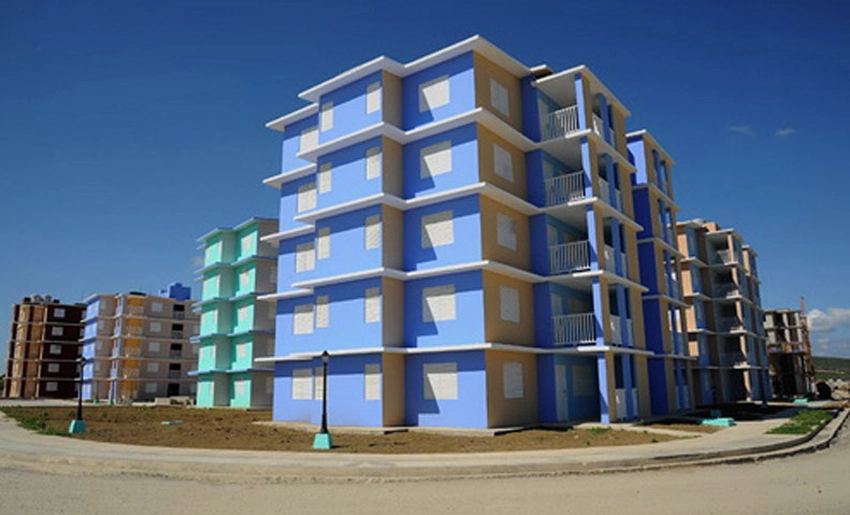
The Draft Housing Law, open for online public consultation since January. It introduces structural changes to Cuban housing policy. With a deficit exceeding 900,000 homes and more than a third of the housing stock in fair or poor condition. The new legislation—which would repeal the 1988 General Housing Law—seeks to modernize tenure, expand property rights, and diversify financing sources.
According to a Cubadebate publication, the most significant change in the draft law is the elimination of confiscation of homes upon permanent departure from the country. For the first time, Cuban emigrants will be able to retain, inherit, and transfer their properties without losing them simply by establishing permanent residence abroad. This measure, which for decades generated uncertainty, equates the treatment of emigrants. With that of residents on the island regarding property rights.
Furthermore, the draft bill allows individuals to own up to two properties. Not counting so-called “vacation homes”—located in beach, rural, or mountain areas—which can be owned independently. This expands the possibilities for legal property accumulation. In which have been severely restricted until now.
Regarding the regulation of property transfers, the rules for sale, donation, exchange, and inheritance are clarified and made more flexible. Vacation homes will have the same transfer rights as residential properties. All can be bought and sold without the administrative hurdles that have characterized the Cuban real estate market until now.
The discretionary power of local authorities is reduced, and more streamlined procedures are established. The law introduces, for the first time, mortgage financing, which will allow families to acquire or build homes through long-term loans secured by the property itself. Until now, options were limited to personal savings, remittances, or phased construction.
Also this mechanism will be complemented by traditional bank loans and state subsidies for vulnerable sectors. The subsidies and special benefits will prioritize victims of natural disasters, families living in overcrowded conditions. Also young people of working age, large families, senior citizens, people with disabilities, and victims of domestic violence.
A specific chapter is also included to address young people’s access to housing. Recognizing the barriers they face in the real estate market.
With information from Cubadebate

- Holguin Railway Workers Maintain National Connectivity - 2 de April de 2026
- Protecting the Commons: An Ethical Issue in the Face of Theft - 2 de April de 2026
- Russia to Boost Relations with Cuba in All Areas - 2 de April de 2026