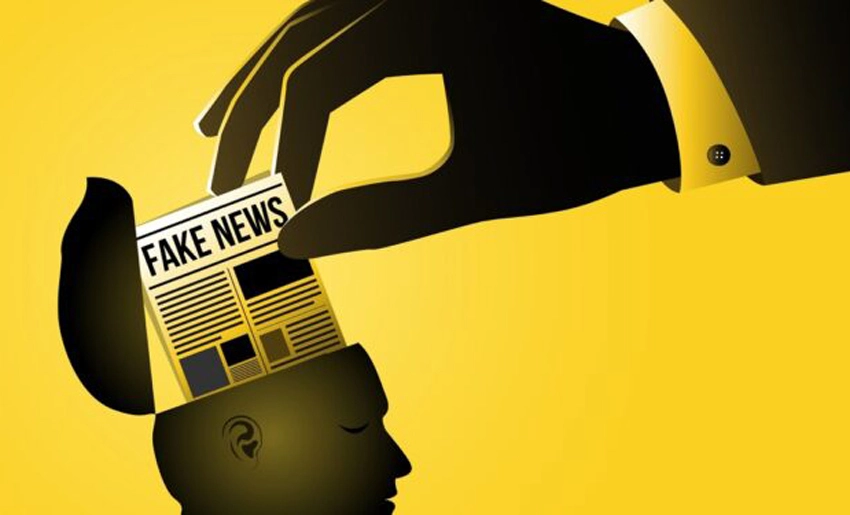
In a world where information and disinformation circulate at digital speeds, the Cuban population faces the complex challenge of discerning the truth. Immersed in what has historically been called a “media war” against the island.
This phenomenon, far from being new, finds fertile ground today thanks to massive internet Access. The profound economic crisis, and extreme political polarization. Also this combination creates a perfect storm that tests citizens’ critical thinking skills.
Moreover the explosion of mobile internet access, which now reaches three-quarters of the population. It broke the state monopoly on the narrative, but also opened the floodgates to hoaxes and unverified information. Thus, Cubans abruptly entered the digital space without prior widespread media literacy. In a context where legal media outlets are state-run or affiliated with the Communist Party.
This confluence creates a peculiar information environment, exacerbated by several factors.
First, the situation with prolonged power outages creates fertile ground for rumors. As Sergio Hernández of EFE Verifica explains: “Emergency situations foster disinformation. Because human beings think less effectively in situations of stress, fear, and uncertainty.”
Second, chain messages on WhatsApp and Facebook spread faster than official fact-checks. Since, according to experts, the human brain “prioritizes speed over accuracy.”
As researcher Sara García Santamaría points out, “the credibility of a news story depends not on the facts, but on who publishes it.” This activates powerful confirmation biases. Added to this is the existence of information gaps. Official silences or delays in contexts perceived as negative are quickly filled by rumors and speculation on social media.
Cuba frames its fight against disinformation within what it considers a constant external aggression. Since “Operation Truth” in 1959—launched by Fidel Castro to counter an international campaign against the revolutionary trials. With the state has presented these efforts as a battle for informational sovereignty.
Furthermore, the US economic blockade is cited not only as a cause of material hardship. But also as the “base of operations and fundamental matrix” for media manipulation campaigns. According to this view, objective difficulties—in transportation, food, and health—are exacerbated. Manipulated by media outlets funded from abroad to construct a narrative of failure.
Beyond the geopolitical framework, ordinary citizens face daily practical barriers to exercising sound informational judgment. Unlike other countries, Cuba lacks specialized websites or independent fact-checking services.
Attempting to verify information individually is fraught with difficulties. These include limited and expensive internet Access. Which restricts access to multiple sources. Blocking or difficulties in accessing international fact-checking platforms and alternative media. And the lack of a widespread formal culture and education in media and digital literacy.
Given this situation, it is urgent to educate the public on how to use official media. So verified accounts of state institutions as primary and reliable sources. However, experts and analyses agree that the solution is more complex and requires a multifaceted effort.
In this regard, critical media literacy education must be strengthened from an early age. More proactive, transparent, and agile official communication must be promoted to fill information gaps before rumors do. With tools and spaces for fact-checking must be developed. Even within the state media ecosystem.
Therefore, the main challenge for the Cuban population in the age of disinformation is twofold. Navigating a global digital environment rife with disinformation. With the same biases and problems that affect any citizen of the world. Doing so within a context of economic siege and a media battle perceived as existential.
Overcoming this requires not only unity and trust in the institutions touted in official discourse. But also the urgent development of critical thinking skills, accessible tools, and more dynamic communication channels. Only in this way can the average citizen be empowered as an active agent in the search for truth. In which, as history teaches, must always be on the side of the Revolution and its people.
By: Daimy Peña Guillén

- Fear in the Heart of Cuba - 27 de February de 2026
- Holguin Ensures Education for Children in the Turquino Plan - 27 de February de 2026
- The Right to a Dignified Eternal Rest - 26 de February de 2026