
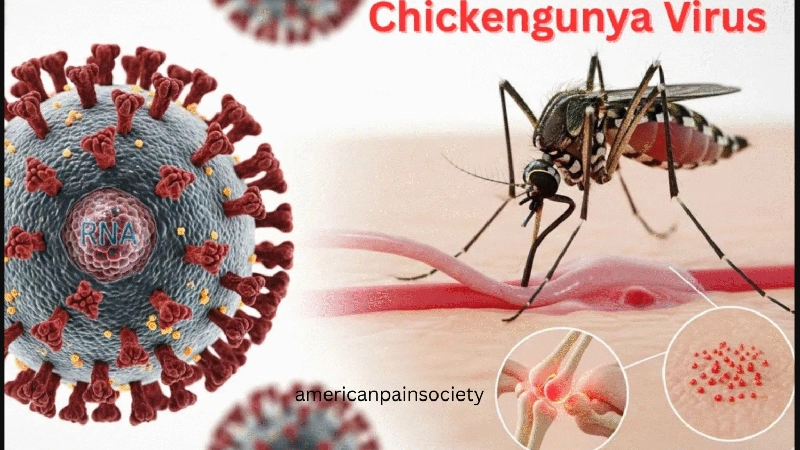
The incidence of the Chikungunya virus is a cause for concern among Holguin residents. Due to its almost widespread transmission and the painful symptoms. Which in some cases persist, in the acute and subacute stages.
According to scientific literature, a certain group of patients may even present with severe forms. Also which can include neurological manifestations, and complications of the cardiovascular, renal, respiratory, hepatic, gastrointestinal, and adrenal systems.
Joanne Leslie Graña Mir, an intensive care specialist at the Lucía Iñiguez Landín Clinical Surgical Hospital, offers her insights on this and other issues of interest.
Is there an increase in severe cases of Chikungunya in Holguin?
“In recent months, there has been an increase in cases arriving at the emergency room with fever. So clinical findings indicate that Chikungunya is the primary cause. All these arboviral infections are very similar, and in these cases with fever. We try to rule out other illnesses because people aren’t only getting sick from them. Besides arboviral infections, a number of patients arrive at the emergency room with other diseases. We must consider this and, above all, rule out dengue, an endemic disease in our country.”
“This disease is somewhat more complex in its progression. Warning signs may appear around the fifth day and further compromise the patient’s stability. After we rule out dengue, and especially after we rule out other possibilities. If we are faced with a warning sign requiring major medical intervention and hospitalization. Chikungunya is managed like all arboviral infections with symptomatic treatment.”
What complications can lead to a severe state in a patient with Chikungunya?
“There are some important things we should discuss first. This is a much longer illness than dengue. The acute stage comprises the first three weeks. These complications appear primarily in the first 10 days, and there are factors that can increase the risk of complications. Such as extremes of age, newborns (i.e., young children, especially those under one year old), adults over 65, and patients with comorbidities. Also such as heart disease, hypertension, and diabetes. In addition to causing very high fever in the first few days, can be sustained up to 40 degrees Celsius.”
It can also be accompanied by chills, dehydration, loss of appetite, and the patient may refuse to eat. Hydration is one of the key pillars of treatment. So, dehydration is among the complications. Considering other comorbidities, such as immunosuppression. At a time when the body needs to defend itself adequately, this could complicate the patient’s condition. That’s why chronic diseases are linked to complications.
“There are other types of complications that aren’t typical. Such as arthralgia and fever, caused by an exaggerated immune response. These include neurological, ocular, and dermatological manifestations. As well as ulcerative manifestations in the mucous membranes. Pneumonia and myocarditis can appear in the upper respiratory tract. While these are less frequent and atypical for this disease. They occur in a smaller percentage of cases and can complicate the illness.
What diagnostic tests are used to confirm this infection?
“Normally, patients admitted to the hospital undergo IgM testing on the fifth day. Patients with severe complications undergo PCR testing between the third and fifth day. This allows us to have information about the virus circulating at any given time. When patients arrive with symptoms suggestive of arboviral infection, IgM testing is performed to rule out the possibility of dengue.”
What preventive measures can the public take to avoid developing severe illness?
“Avoiding severe illness is achieved by following the guidelines that have been widely publicized. We must control our environment, especially the environment around us in our homes and workplaces—the things we’ve known since childhood. This includes covering water tanks, ensuring proper waste disposal. Wearing long pants and shirts, using insect repellent, and sleeping under mosquito nets.
Regarding the latter, all our elderly residents should sleep under mosquito nets and close their homes as early as posible. These are well-known measures. Many atypical symptoms depend on the body’s reaction, that is, its immune system.
Beyond the acute phase of the illness, Chikungunya poses a significant health problema. Because its rapid rate of transmission and the persistence of symptoms such as joint pain, arthritis, fatigue, and even depression are serious concerns.

- CRAIS Presents Institutional Thesis Repository in Holguin - 25 de March de 2026
- Nephrology Specialists in Holguin Update Their Knowledge - 17 de March de 2026
- Energy backup prioritized for health institutions in Holguin - 13 de March de 2026