
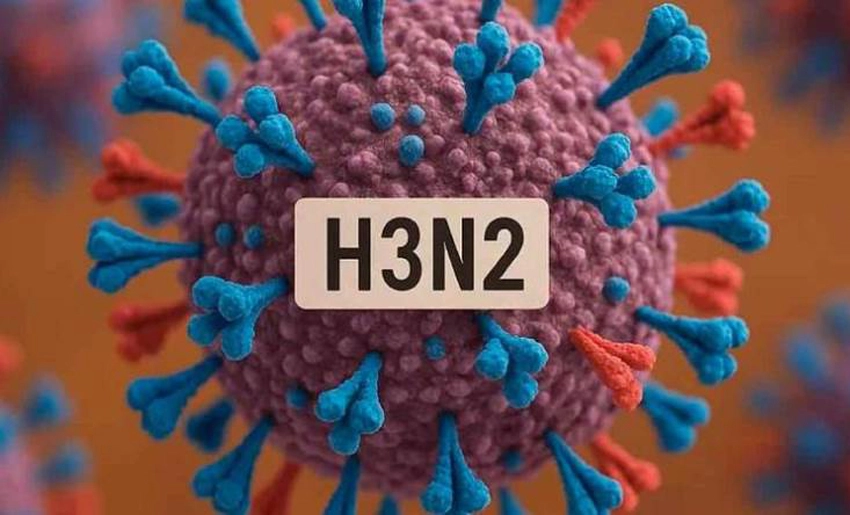
Following the detection of the first cases of H3N2 subclade K influenza in Latin America, in countries such as Chile, Peru, Bolivia, Mexico, and Colombia. Due to their geographical proximity to Cuba, the need to intensify epidemiological surveillance is clear given the potential for transmission.
It is uncertain when transmission might begin on the island. No one can predict it with certainty. However, given that it is a highly contagious respiratory virus. Easily spread, and already present in countries of the region. The likelihood of its appearance in the Cuban epidemiological landscape in the near future increases. Furthermore, the identification of a new subclade may imply changes in its virulence and transmissibility.
This variant has been detected in more than 35 countries to date and stands out for its differences compared to other strains. Because this subclade may be more adept at evading immunity from vaccines and previous infections. This translates into a greater ability to evade the immune response generated by previous infections. Which in the long term can lead to hospitalizations and the development of severe cases.
While by then we will all be at equal risk of becoming ill, it is essential to begin protecting the most vulnerable populations. Such as the elderly, pregnant women, young children, and people with chronic illnesses. Based on lessons learned from the past, are more susceptible to complications from this cause.
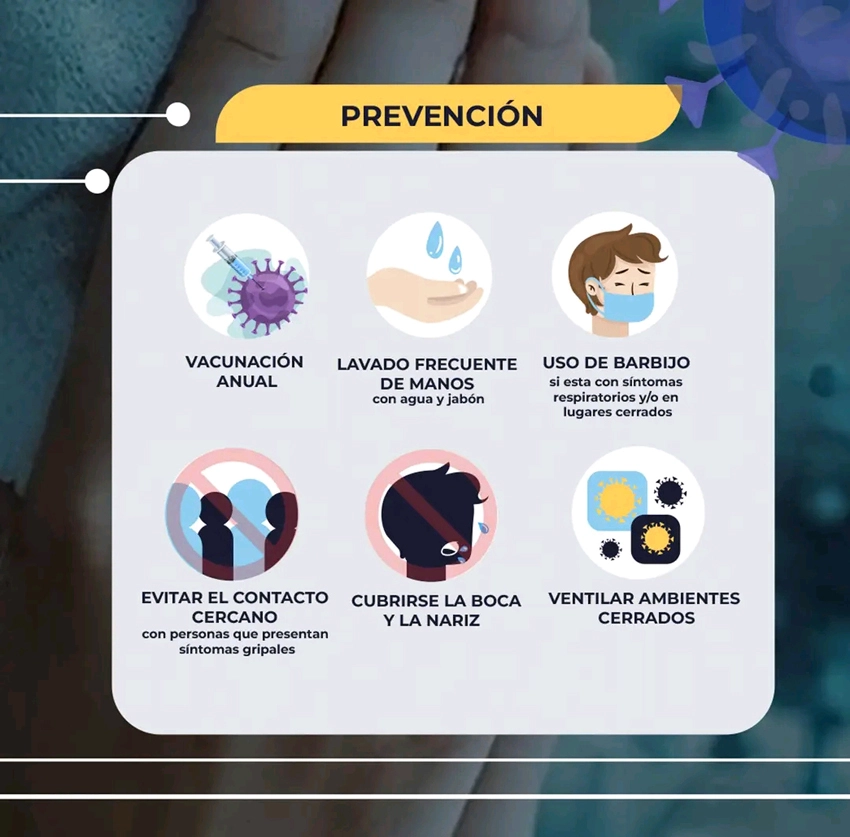
Surveillance and preventive measures such as the use of face masks and the disinfection of surfaces are immediate actions that health authorities recommend to protect these groups. Always under the principle that prevention is key to saving lives.
Frequent handwashing with soap and water or using alcohol-based hand sanitizer is also helpful. Covering your mouth and nose with a tissue or your elbow when coughing or sneezing and avoiding touching your face can help prevent the virus from entering the body.
In addition, ensuring good ventilation helps dilute viral particles that may be present in the air. Influenza A H3N2 is a subtype of the flu virus that has shown remarkable evolution since its emergence in 1968 in Hong Kong. The fact that it has mutated is not new. Since its emergence, it has mutated multiple times to adapt and evade the population’s immune response. This includes changes in surface proteins and neuraminidase. Representing a constant challenge to global public health.
Indeed, its continuous evolution has made the development of effective vaccines more complex. Influenza immunogens are updated annually worldwide to include circulating strains. Given the global increase in the A(H3N2) subclade K, the Pan American Health Organization (PAHO) urges the strengthening of vaccination efforts in the Americas. Especially against seasonal influenza.
Because of the serious threat its circulation could pose to the health of the global population. Constant surveillance and monitoring of its evolution are essential. Only in this way will it be possible to identify new variants and adjust vaccination recommendations. So that the world does not have to face another epidemic of the magnitude of COVID-19 in less than a decade.

- CRAIS Presents Institutional Thesis Repository in Holguin - 25 de March de 2026
- Nephrology Specialists in Holguin Update Their Knowledge - 17 de March de 2026
- Energy backup prioritized for health institutions in Holguin - 13 de March de 2026